Biodiversity
Challenges, Risks,
and Impacts
Biodiversity loss remains a significant long-term global risk, ranking among the top five according to the World Economic Forum (WEF) Report 2025. The extinction or decline of species poses severe repercussions on the environment, humanity, and economic activities. In particular, the increasing severity of climate change directly affects ecosystems and biodiversity, which are linked to the operations and activities of Thaioil Group and may result in impact ln the environment and biodiversity if not managed with due care and prudence.
Meanwhile, the Task Force on Nature-related Financial Disclosures (TNFD) has developed a framework addressing biodiversity, requiring organizations to integrate financial considerations in assessing risks and impacts regarding biodiversity that may affect their operations. Furthermore, under the Kunming-Montreal Global Biodiversity Framework, countries are being urged to adopt stricter measures to engage the private sector in biodiversity conservation.
However, investments and the development of projects that generate positive impacts on biodiversity, such as green area restoration projects, mangrove conservation projects, and the sustainable use of natural resources, will enhance the Company’s ability to access financing for environmental projects or green finance, as well as financial support from government agencies and financial institutions that prioritize sustainability. Collaboration with local communities and partner networks in the conservation of natural resources also helps strengthen the Company’s reputation and build stakeholder confidence in the Company as an energy leader the genuinely upholds environmental responsibility and long-term sustainability.


Commitment and Targets
Thaioil Group strives to conduct business with responsibility for society, environment, biodiversity, and ecosystem preservation. The Company has integrated the environmental impact assessment on biodiversity and forest areas into the business operation.
The purpose is to avoid and reduce the potential risks and support sustainable development in short-, medium- and long-term and all dimensions covering Economic, Environmental, and Social. Accordingly, the Company has established annual targets for 2025 and long-term targets under the 4Ns Commitment as follows:
Target

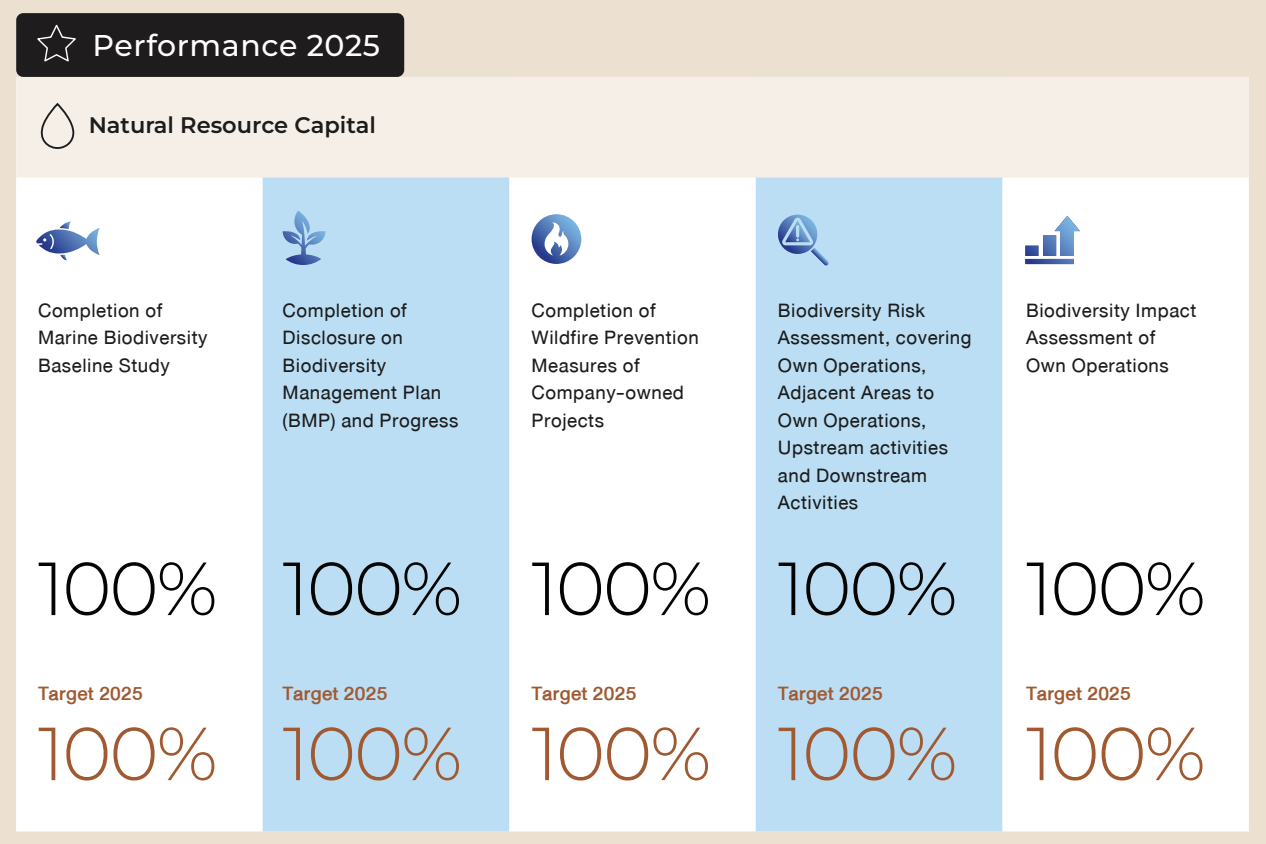
Completion of Marine Biodiversity Baseline Study
Target 2025
100
Percentage

Completion of Disclosure on Biodiversity Management Plan (BMP) and Progress
Target 2025
100
Percentage
Completion of Wildfire Prevention Measures of Company-owned Projects
Target 2025
100
Percentage

Biodiversity Risk Assessment, Covering Own Operations, Adjacent Areas to Own Operations, Upstream and Downstream Activities
Target 2025
100
Percentage

No Deforestation Commitment
Long term target
By 2035
No Net Deforestation (NND)¹
By 2040
achieve No Gross Deforestation (NGD)²

No Deforestation Commitment Biodiversity Commitment
Long term target
By 2040
achieve No Net Loss (NNL)³
By 2050
achieve Net Positive Impact (NPI)⁴
No Deforestation Commitment
(1) Thaioil Group has set a commitment to achieve No Net Deforestation (NND) by compensating for any loss of forest area through forest restoration or reforestation activities.
(2) Thaioil Group has set a commitment of No Gross Deforestation (NGD); in all new business operations, there will be no clearing of any natural forests for future business activities.
Biodiversity Commitment
(3) Thaioil Group has set a commitment to achieve No Net Loss (NNL) of biodiversity by not encroaching on target areas related to biodiversity. However, the Company is in the process of studying to accelerate its target to the year 2030.
(4) Thaioil Group has set a commitment to achieve Net Positive Impact (NPI) on biodiversity in the long term by applying the Mitigation Hierarchy approach and the AR3T framework (Avoid, Reduce, Regenerate, Restore and Transform) to compensate for residual impacts and avoid or reduce impacts from future operations.
Management Approach
and Performance
Thaioil Group has elevated its commitment and responsibility towards biodiversity through the Quality, Security, Safety, Occupational Health, Environment and Energy Management policy, as well as Thaioil and Subsidiaries’ Biodiversity Statement, which has been reviewed and endorsed by the Board of Directors and the Chief Executive Officer and President to continuously drive maximum management effectiveness.
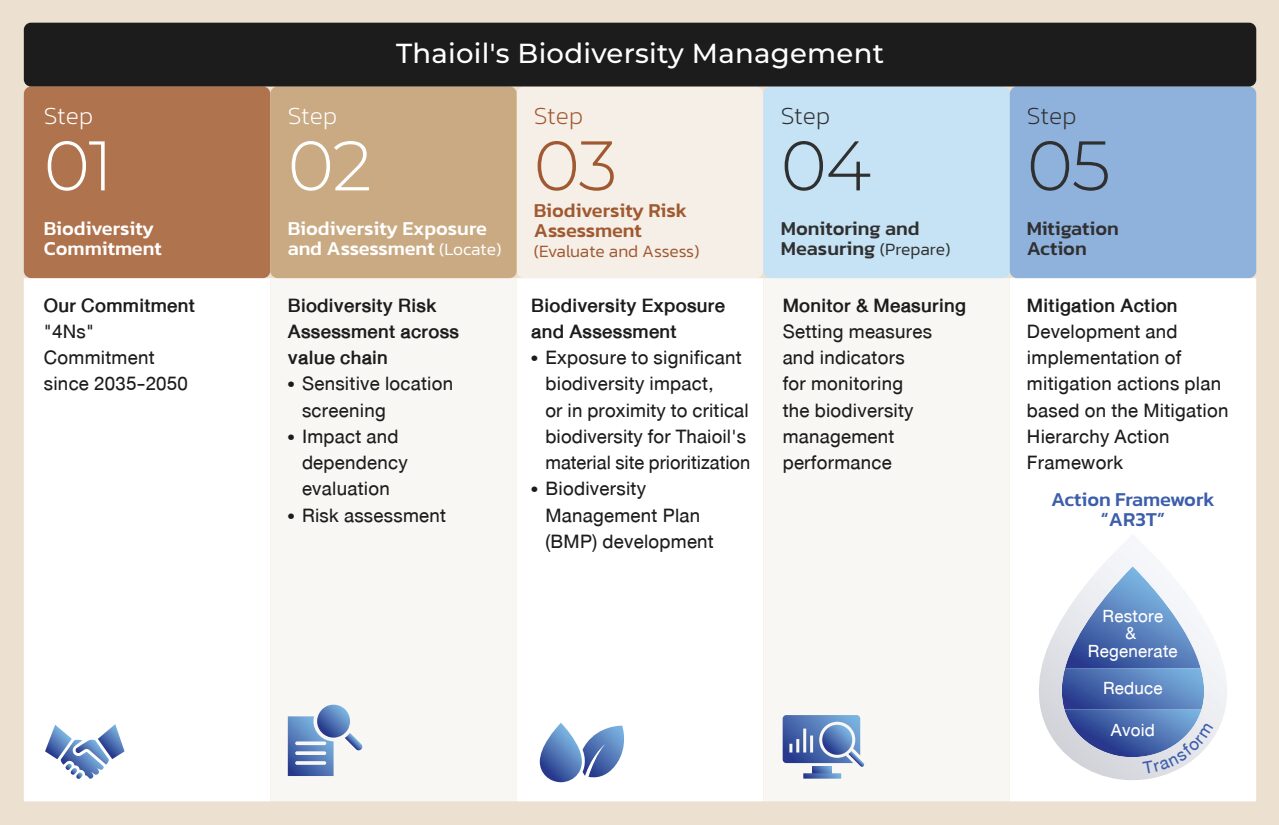
In 2025, Thaioil Group developed a biodiversity management framework in alignment with the Taskforce on Nature-related Financial Disclosures (TNFD) by implementing the LEAP (Locate, Evaluate, Assess, Prepare) framework as a systematic approach to biodiversity management and to analyse nature-related risks and opportunities. The framework comprises five key steps as follows:
- Commitment (Target): Establishing long-term commitment or 4Ns commitment, including No Net Deforestation (NND), No Gross Deforestation (NGD), No Net Loss of biodiversity (NNL), and Net Positive Impact on biodiversity (NPI).
- Locate (Risk Area Identification): Using Integrated Biodiversity Assessment Tool (IBAT) and spatial analysis to identify proximity to protected areas and key biodiversity areas.
- Evaluate & Assess (Impact Evaluation & Risk Analysis)
- Evaluate (Impact Evaluation): Applying Exploring Natural Capital Opportunities, Risks and Exposure (ENCORE) and World Wide Fund for Nature (Biodiversity Risk Filter (WWF BRF) to assess relationship between business activities and ecosystems.
- Assess (Risk Analysis): Defining and prioritizing nature-related risks and opportunities and integrate them into the enterprise risk management process.
- Prepare (Readiness Preparation): Establishing measures and indicators to monitor and evaluate biodiversity management performance.
- Mitigation Action (Impact Mitigation): Applying the Mitigation Hierarchy approach based on the AR3T (Avoid, Reduce, Regenerate, Restore and Transform) framework to compensate for residual impacts and avoid or reduce impacts from future operations.
Furthermore, Thaioil Group has applied to the Biodiversity and Ecosystem Service Manual that had been reviewed together with PTT Group Biodiversity and Ecosystem Service. This manual was developed from the integration of various national and international standards such as the Master Plan for Integrated Biodiversity Management, the GRI Sustainable Reporting Standard , TNFD Framework, IBAT, ENCORE, WWF, and others. The Company uses this manual to perform a biodiversity risk assessment within its businesses. In addition, the Company commits to No Net Deforestation by implementing reforestation and tree planting to compensate for any forest loss from our business activities and drives the business towards No Net Loss (NNL) of terrestrial and aquatic biodiversity.
Thaioil Group reports its biodiversity management performance to senior management and the Board of Directors to ensure that biodiversity management aligns with the corporate strategic direction and effectively responds to stakeholder expectations.
Biodiversity Risk
and Impact Assessment
- Business Risks: Biodiversity loss driven by climate change, pollution, and seasonal fluctuations could lead to a scarcity of natural resources essential for Thaioil Group’s operations.
- Regulatory Risks: The increasing stringency of environmental regulations, directly or indirectly linked to biodiversity, could raise business costs and complexities in operations.
- Reputational Risks: Failure to manage biodiversity effectively may harm Thaioil Group’s corporate image and erode stakeholder trust, particularly among customers, vendors, shareholders, investors and business partners who value biodiversity management.
- Environmental and Community Risks: Biodiversity loss could negatively affect community livelihoods and potentially create long-term impacts on Thaioil Group’s operations.
Therefore, Thaioil Group has applied several biodiversity risk assessment tools, including Integrated Biodiversity Assessment Tool (IBAT), ENCORE and WWF Biodiversity Risk Filter, and IUCN Red List. In addition, the Company has implemented the GRI Reporting Protocols to establish methodologies and guidelines for assessing risks related to biodiversity and ecosystem services.
Thaioil and Subsidiarity Biodiversity Management


Thaioil and Subsidiarity Biodiversity Management
Dependency-related Biodiversity Risks considered in Risk Assessment
Thaioil Group conducted risk assessment through the ENCORE tool for assessing the dependency on natural services. This tool ranks the level of dependency on natural services by industry type, such as oil refinery, power plants, and petrochemical. The assessment results indicate that Thaioil Group has a moderate level of dependency in the following issues:
- Water Scarcity
- Extreme Heat
- Land, Freshwater and Sea Use Change
- Tree Cover Loss
- Pollution
Nevertheless, in 2025, the result of the biodiversity risk assessment indicated the risk at low level, because Thaioil Group’s business operational areas are located outside the High-Biodiversity Wilderness Areas with distance between the Company’s operational areas and High-Biodiversity Wilderness Areas exceeds 10 kilometers. The result of the biodiversity assessment of Thaioil Group is illustrated in the table below:
Number of Operational Sites | Area of Operational Sites | ||
|---|---|---|---|
Rai | Hectare | ||
Total operational site | 1 | 605 | 245 |
Total operational site that are assessed | 1 | 605 | 245 |
Total operational sites that face the risk exposure | 0 | 0 | 0 |
Management Plan | 0 | 0 | 0 |
พื้นที่ปฏิบิติการทั้งหมด
จำนวนพื้นที่ปฏิบัติงาน
1
จำนวน
พื้นที่ปฏิบัติงาน
23,610.25
ไร่
พื้นที่ปฏิบิติการที่ได้รับการประเมินทั้งหมด
จำนวนพื้นที่ปฏิบัติงาน
1
จำนวน
พื้นที่ปฏิบัติงาน
23,610.25
ไร่
พื้นปฏิบิติการที่เผชิญความเสี่ยง
จำนวนพื้นที่ปฏิบัติงาน
0
จำนวน
พื้นที่ปฏิบัติงาน
0
ไร่
แผนการบริหารจัดการ
จำนวนพื้นที่ปฏิบัติงาน
0
จำนวน
พื้นที่ปฏิบัติงาน
0
ไร่
Remark: Thaioil Group’s operational site covers Thaioil Public Company Limite (TOP), Thai Lube Base Public Company Limited (TLB), Thai Paraxylene Company Limited (TPX), LABIX Company Limited (LABIX), TOP SPP Company Limited (TOPSPP) in Si Racha and Sak Chaisidhi Complany Limited (SAKC) in Rayong.
Mitigation
Hierarchy
Thaioil Group has adopted the PTT Group Biodiversity and Ecosystem Service Manual and Assessment from Dow Jones Sustainability Indices (DJSI) to manage biodiversity and ecosystem services and conduct biodiversity risk assessments.
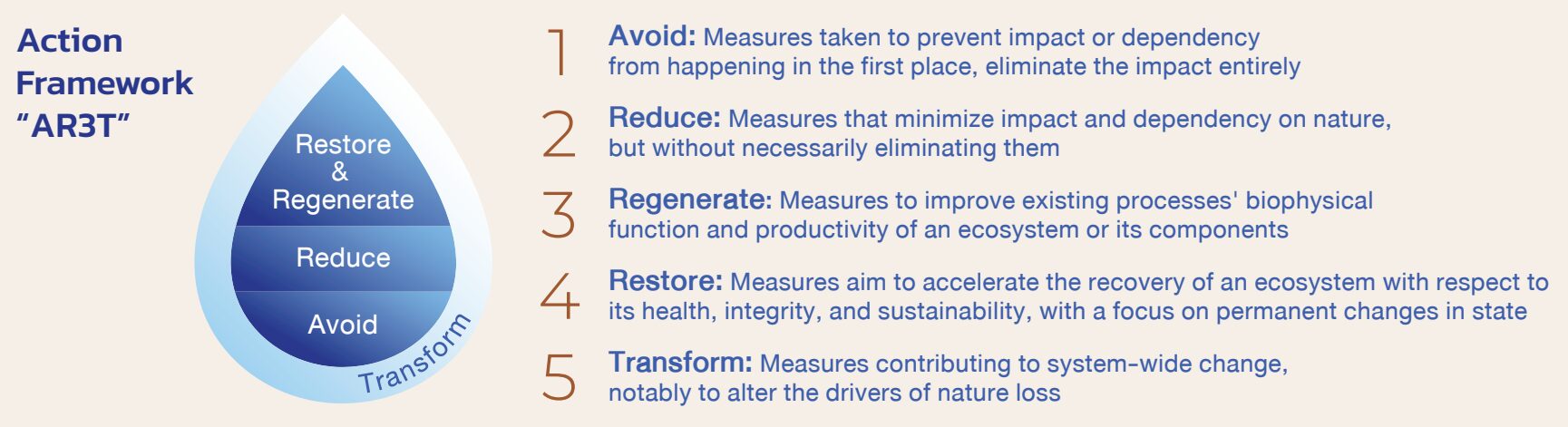
The Company also applies the Mitigation Hierarchy approach to avoid, reduce, restore and regenerate, and transform environmental impacts on biodiversity throughout the value chain and continuously monitor performance, with the following operational approach:
- Avoid: Avoid conducting business operations in critical biodiversity areas through Quality, Security, Safety, Occupational Health, Environment, and Energy policy, covering environmental impact assessment (EIA) and risk management. This extends measures to the supply chain to achieve No Net Loss (NNL), Net Positive Impact (NPI) and No Gross Deforestation (NGD).
- Reduce: Thaioil Group reduces impacts on biodiversity through the “TOP CE WE GO” project together with setting clear targets for reducing water usage and consumption. Additionally, the Company initiated several biodiversity impact reduction projects, such as the Green Product project (Green Product – Promotion of Green Procurement) and the Wastewater Treatment System Cover project (ETP Cover project) to reduce the emission of volatile organic compounds (VOCs) into the environment.
- Restore & Regeneration: Focusing on restoring ecosystems to their original state and conserving biodiversity through the improvement of existing projects, such as reforestation projects. Thaioil Group has conducted reforestation projects in various areas, including over 8,300 rai in Phrae Province and over 300 rai of mangrove forest projects in Trang Province. The Company continuously monitors and evaluates the performance.
- Transform: Building cross-sector collaboration with the government, industry, and communities to restore ecosystems and promote biodiversity. As a member of the Thailand Mangrove Alliance, the Company signed an MOU (Memorandum of Understanding) with the Department of Marine and Coastal Resources aiming to expand and restore mangrove forests. Furthermore, the Company is expanding cooperation within companies both domestically and internally throughout the supply chain to develop sustainable products and create innovations that strengthen ecosystem resilience in the long term.
อีกทั้งยังได้ประยุกต์ใช้หลักการบรรเทาผลกระทบตามลำดับขั้น (Mitigation Hierarchy Principle) ในการป้องกัน หลีกเลี่ยง บรรเทา ฟื้นฟู และชดเชยผลกระทบทางสิ่งแวดล้อมต่อความหลากหลายทางชีวภาพตลอดห่วงโซ่คุณค่า
The Participation Network
on Biodiversity to mitigate impacts on ecosystem
External Organizations/ Agencies
The Institute of Marine Science of Burapha University, Bang Saen
Collaboration with Biodiversity Networks
Study the marine biodiversity at the port of Thai Oil Public Company Limited.
Cooperate on study project on the impact of crude oil spills on coral reef ecosystems and marine natural resources along the coasts of Si Chang Island and Khang Khao Island in Chonburi Province.
External Organizations/ Agencies
Office of Natural Resources and Environment, Chonburi Province
Naval Science Department
Department of Fisheries, Chonburi Province
Marine and Coastal Resources Office 2
Representatives from Environment and Pollution Control Office 13
Collaboration with Biodiversity Networks
Discuss and develop the monitoring and restoration plans with government agencies.
Determine the plan for monitoring and assessing environmental impacts in short, medium, and long term.
Develop the natural resources and the environmental restoration plan with the government sector and the public.
Participate in the signing ceremony of the Memorandum of Understanding (MOU) on cooperation with the Department of Marine and Coastal Resources (DMCR) as a partner in Thailand’s mangrove forest network.
External Organizations/ Agencies
Forest Resource Management Office 3 (Phrae)
Collaboration with Biodiversity Networks
Implement the 2024 Annual Reforestation Project in Phrae Province in collaboration with the chairman and members of the community enterprise.
External Organizations/ Agencies
Mangrove Conservation Center 22 (Palian, Trang)
Seaman Company Limited
Collaboration with Biodiversity Networks
Organize meetings to promote awareness and foster community engagement in the mangrove reforestation project in Village No 2, Ban Yong Star, and Village No 4, Ban Thung Ruangthong, Palian District, Trang Province.
Improve and restore mangrove forests and ecosystems.
Key Highlighted Projects
Year | Project |
|---|---|
2020 |
|
2021 |
|
2022 |
|
2023 |
|
2024 |
|
2025 |
|
In 2025, Thaioil Group conducted the following biodiversity-related projects:
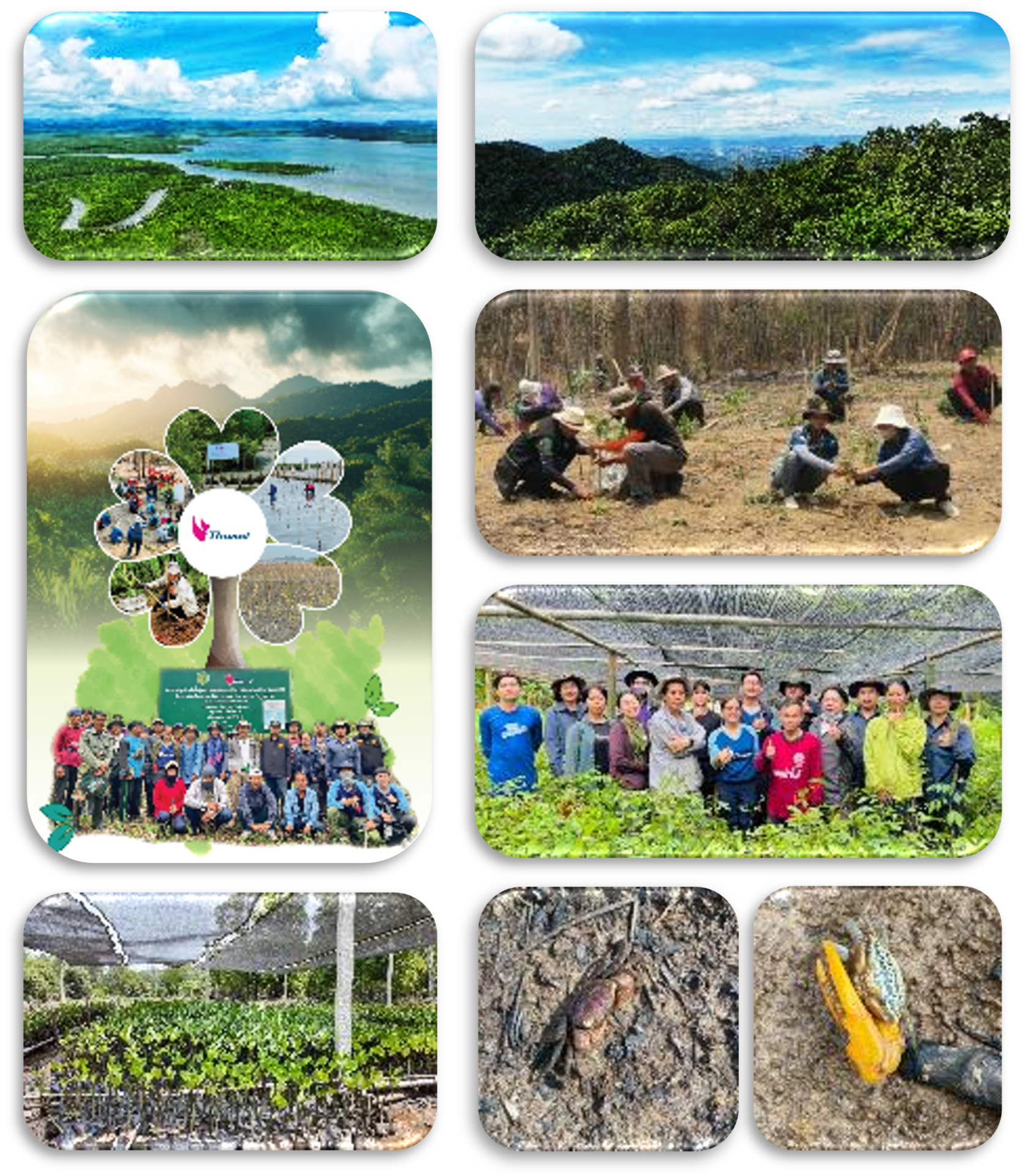
Thaioil Group Successfully Reforested 8,600 Rai, Enhancing Biodiversity
Thaioil Group collaborated with government agencies, including the Royal Forest Department and the Department of Marine and Coastal Resources, to reforest 8,600 rai in Phrae and Trang provinces from 2023 to the present.
Over the past three years, Thaioil Group has emerged as a key driver of sustainable environmental growth by enhancing biodiversity. The Group planted more than 18 indigenous tree species to maintain ecological balance and provide food sources for local wildlife and communities. These efforts also helped reduce greenhouse gas emissions and release oxygen into the atmosphere, creating an environmental legacy for future generations.
In 2025, the “Thaioil Sustainable Mangrove Reforestation Project 2025” in Trang Province, covering 300 rai in collaboration with the Department of Marine and Coastal Resources, was officially registered under the Thailand Voluntary Emission Reduction Program (T-VER). Additionally, the registration for 8,300 rai of terrestrial forest area was in progress, with completion expected within the first quarter of 2026.
These initiatives served to restore and conserve forest resources to offset remaining impacts, aiming to achieve a long-term Net Positive Impact (NPI) on biodiversity.
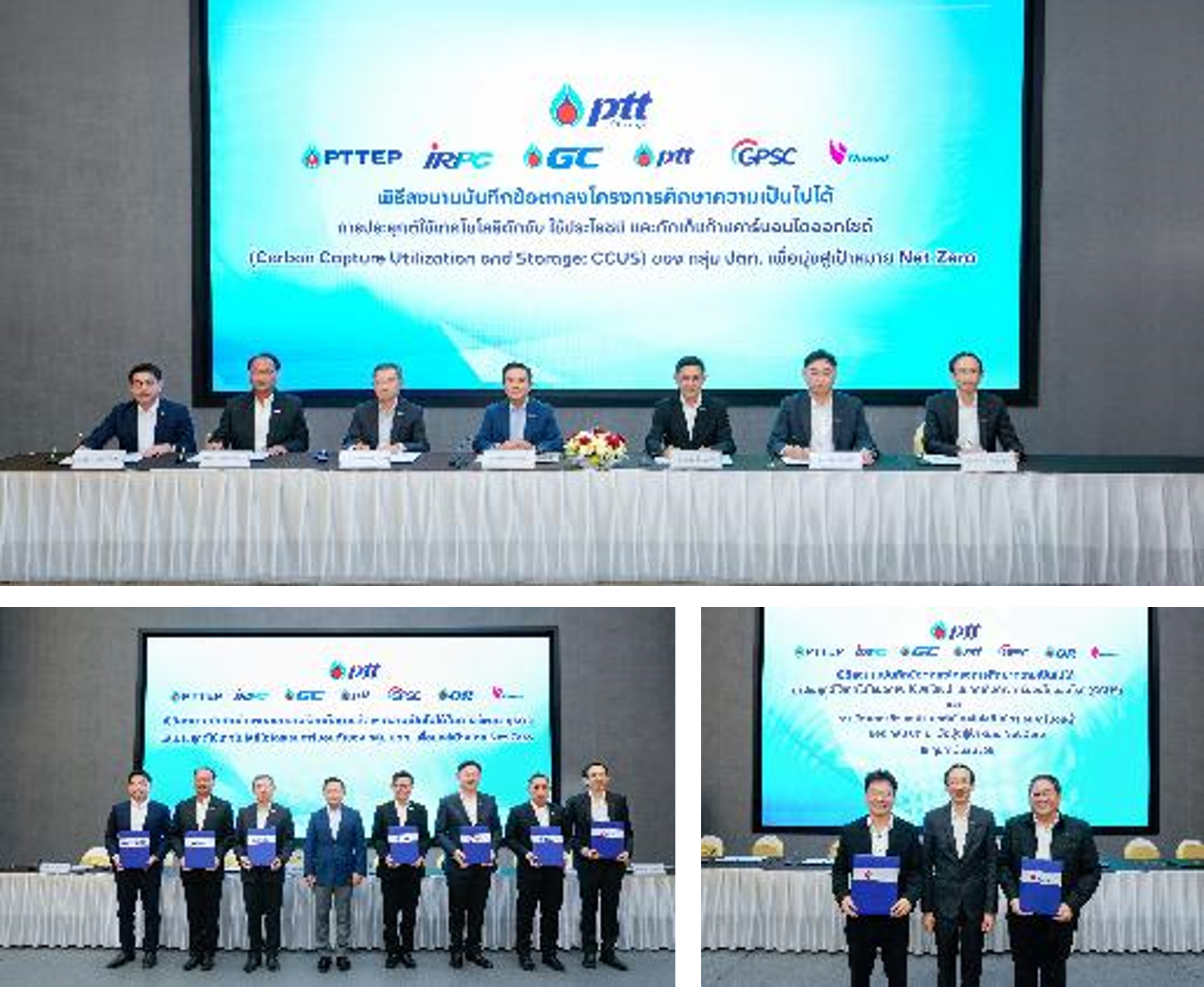
Thaioil Group signed MOU for Feasibility Studies on Carbon Capture, Utilization, and Storage (CCUS) and Low-Carbon Hydrogen Technology Development in collaboration with PTT Group
On February 19, 2025, Mr. Jeerawat Pattanasomsit, Executive Vice President – Power, Innovation, and Digital Business, represented Thai Oil Public Company Limited in the signing ceremony of two Memorandums of Understanding (MOUs). These agreements focused on the feasibility study of Carbon Capture, Utilization, and Storage (CCUS) technology applications and the feasibility study of business development and low-carbon hydrogen technology applications, conducted alongside representatives from PTT Group companies at the Auditorium, 6th Floor, Energy Complex, Building C.
The signing of these MOUs demonstrated Thaioil Group’s commitment to proactive measures in reducing greenhouse gas emissions in accordance with its Net Zero Pathway. This was achieved through the “Cut Down Existing Emission” strategy, which focused on controlling and reducing energy consumption, and the “Control Future Emission” strategy, which emphasized business development and the application of low-carbon hydrogen technology. These efforts aligned with PTT Group’s Energy Transition strategy. Furthermore, these initiatives served to mitigate future operational impacts to achieve a long-term Net Positive Impact (NPI) on biodiversity.
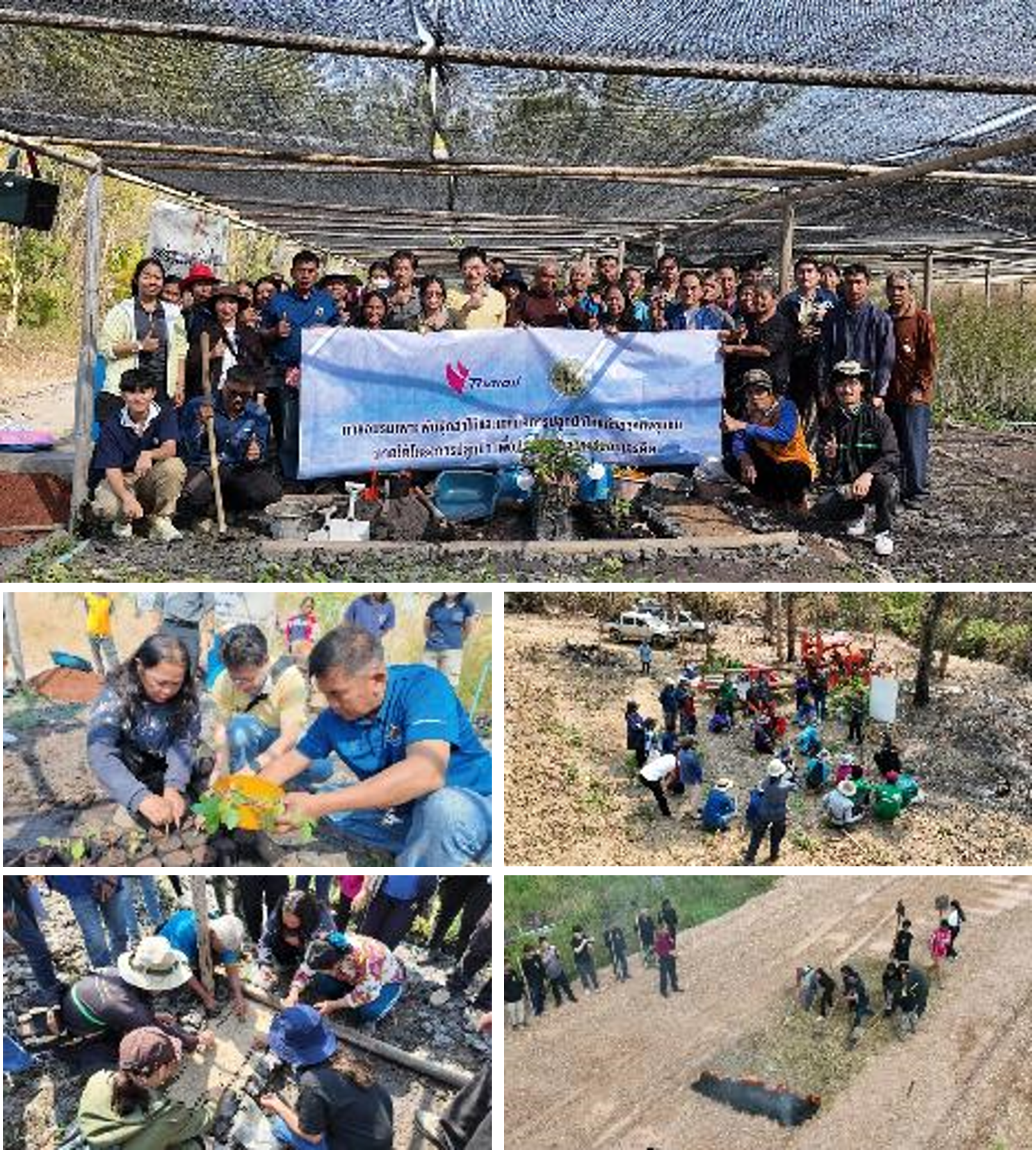
From Forests to Future: Thaioil Group Enhanced Quality of Life and Built Sustainable Communities through Reforestation and Wildfire Prevention
Building upon the 8,600-rai reforestation project that supported the Net Zero target, Thaioil Group also contributed to improving the quality of life for local communities by generating income through the employment of approximately 500 community members. This initiative created a value of over 43 million THB in the first year, with a projected total of over 170 million THB throughout the 10-year project duration.
Furthermore, the Company facilitated the development of both theoretical and practical expertise from specialists regarding wildfire prevention. This program strengthened knowledge concerning the causes and impacts of wildfires, proper prevention techniques, seedling propagation, and reforestation methods. This transfer of knowledge effectively reduced the risk of loss of life and property for workers, decreased seedling procurement costs, and generated additional income through nursery operations.
In addition, Thaioil Group established a seedling propagation learning center to strengthen cost management and support future commercial scaling. Located at Ban Pao Pom – Dong Yang, Moo 7, Na Phun Subdistrict, Wang Chin District, this center served as a primary educational hub for other community enterprises within Phrae Province.
These actions promoted the restoration and conservation of forest resources and the prevention of wildfires, thereby reducing greenhouse gas emissions into the atmosphere and mitigating long-term impacts on biodiversity.
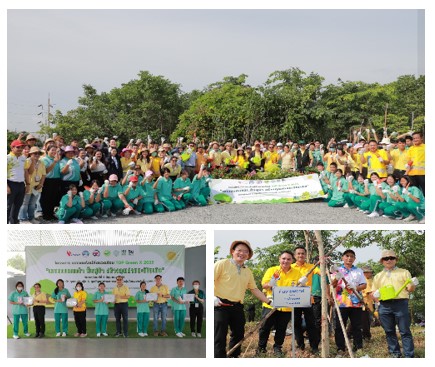
“TOP Green X 2025” Project: Empowering Youth as Environmental Transformation Leaders
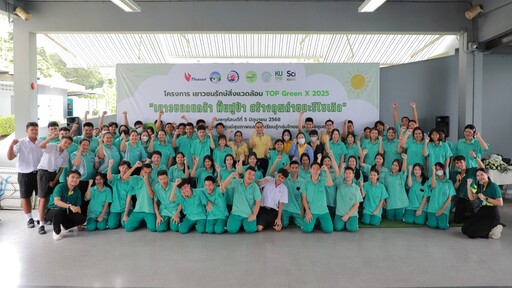
Thaioil Group, in collaboration with Laem Chabang City Municipality, continued the success of the “TOP Green X” Youth Environmental Conservation Project by organizing the activity entitled “Youth in Action: Forest Restoration and Value Creation from Recyclable Waste” in celebration of World Environment Day on 5 June 2025. The initiative aims to promote the role of youth in driving sustainable environmental transformation.
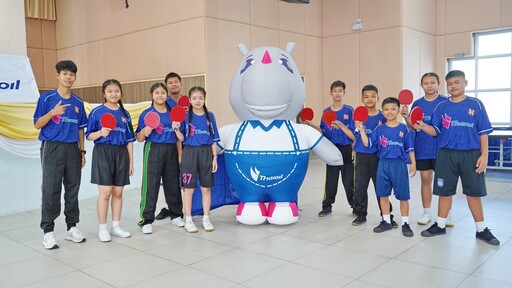
The activity focused on enhancing environmental knowledge and skills among youth aged 15-18 from ten communities surrounding Thaioil’s refinery. Key activities included tree planting to restore green spaces, learning about carbon credits and Net Zero targets, DIY recycling workshops utilizing waste materials, and a creative social media campaign contest to raise environmental awareness.
The “TOP Green X” Project was first launched in 2024 through the activity “Reviving Waste into New Life”, which applied scientific knowledge to transform plastic waste into practical products for community use, such as brooms made from plastic bottles. Thaioil expects that the project will serve as a venue to cultivate environmental awareness among youth while strengthening collaboration among the business sector, local communities, and educational institutions to jointly drive sustainable development in the future.
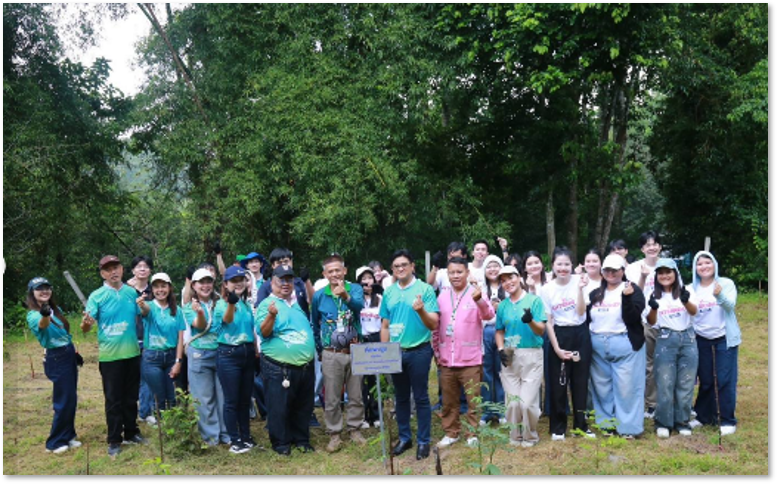
“Thaioil Internship Program 2025” Project: Providing Opportunities for Interns to Learn and Cultivate Sustainable Social and Environmental Awareness
Thaioil Group, through the Refinery Public Relations Team, organized the “Thaioil Internship Program 2025” to provide internship students with opportunities to learn and develop their potential holistically through corporate social responsibility (CSR) activities focused on community and environmental engagement.
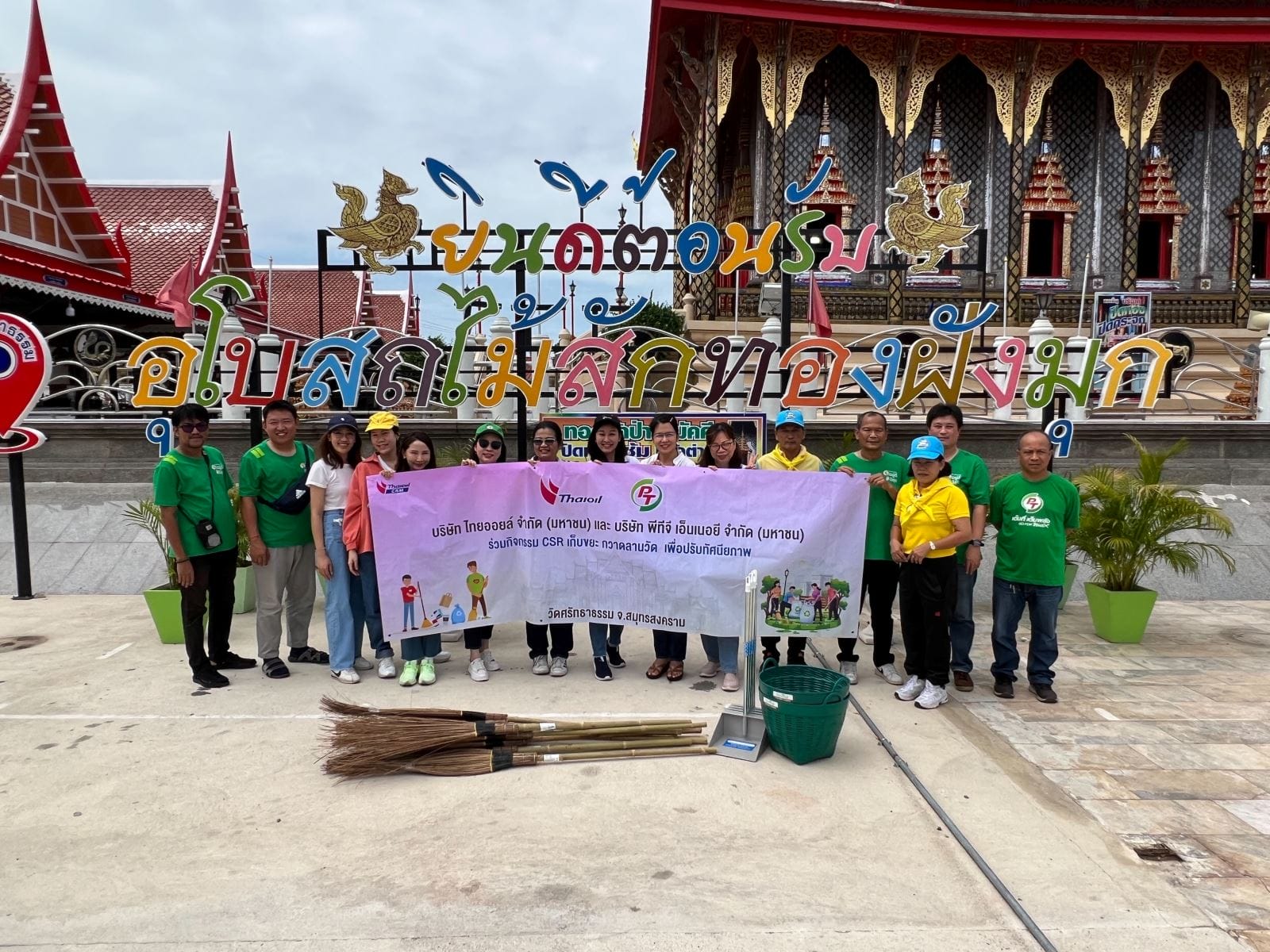
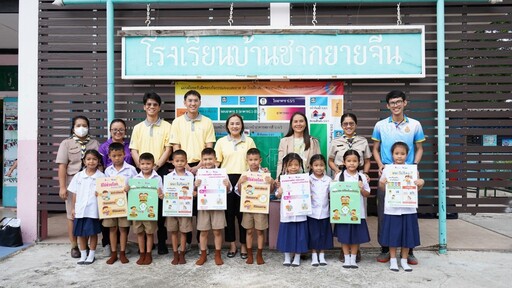
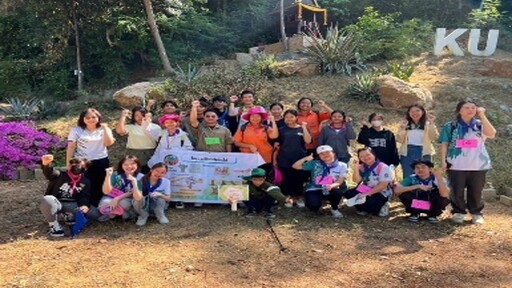
On 28 May 2025, the first batch of internship students conducted an environmental awareness activity for students at Ban Chak Yai Chin School, Chonburi Province. The program utilized interactive communication and educational games to promote environmental conservation concepts among local youth. Subsequently, on 15 July 2025, the second batch of internship students joined together to carry out a tree-planting activity to expand green spaces at Khao Kheow Open Zoo, Chonburi Province. This initiative aimed to contribute to environmental restoration efforts within Chonburi Province.
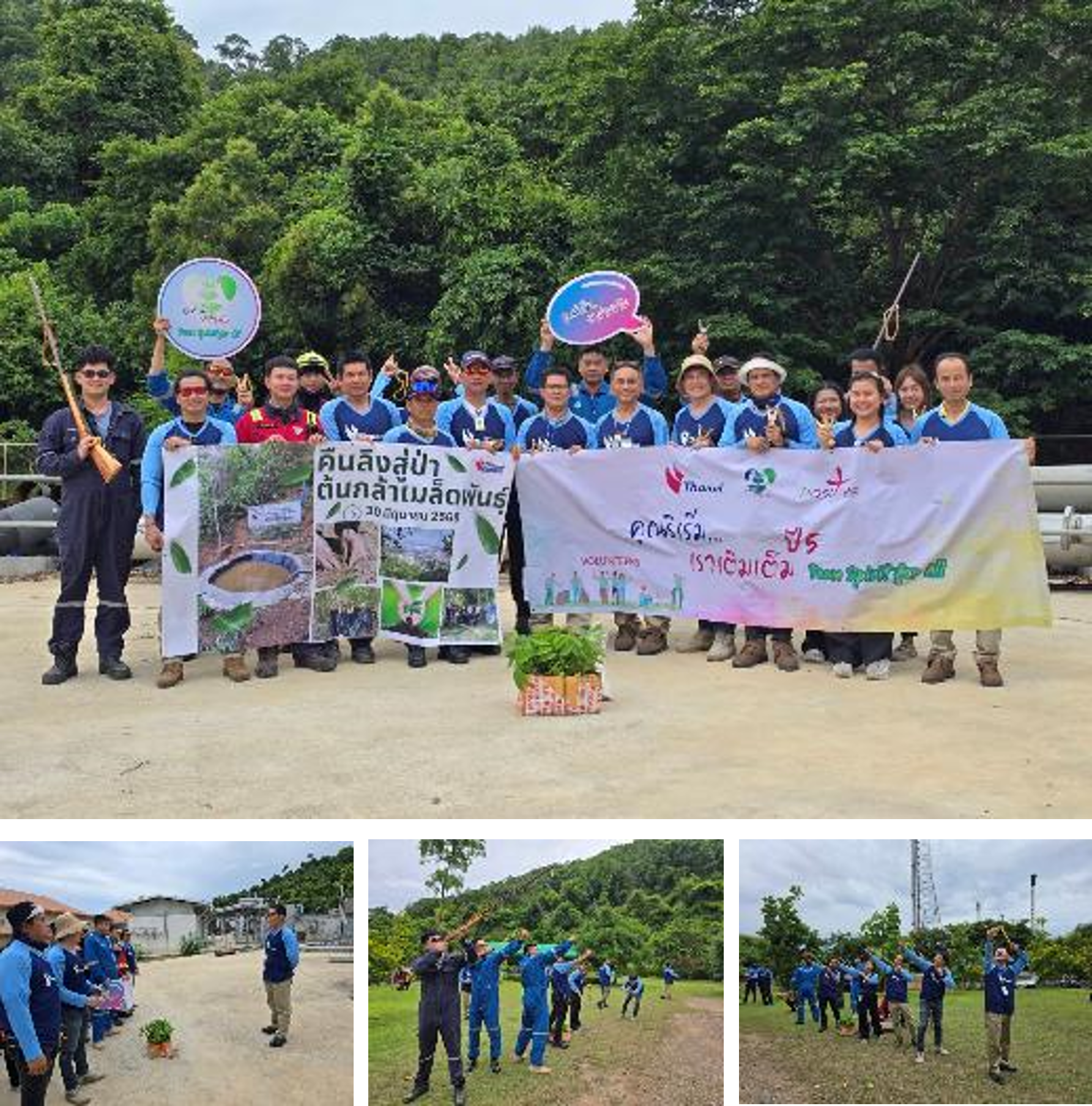
“Rak Khao Phubai” Project: QMVP Volunteer Team United in Protecting Forest Ecosystems
On 30 June 2025, employee volunteers from the Corporate Quality Management Division (QMVP) organized the “Rak Khao Phubai: Returning Monkeys to the Forest and Restoring Forest Seedlings” project. The activity involved shooting seed with drought-resistant native tree species and planting seedlings on Khao Phubai to enhance ecosystem richness and increase natural food sources for monkeys to mitigate the issue of monkeys entering nearby communities and refinery operational areas.
This activity forms part of the fifth year of the “You Initiate… We Fulfill” (Team Spirit for All) project, which encourages employees to apply their knowledge and skills to contribute benefits to society. The project also supports the cultivation of social responsibility as a core organizational sustainable value.
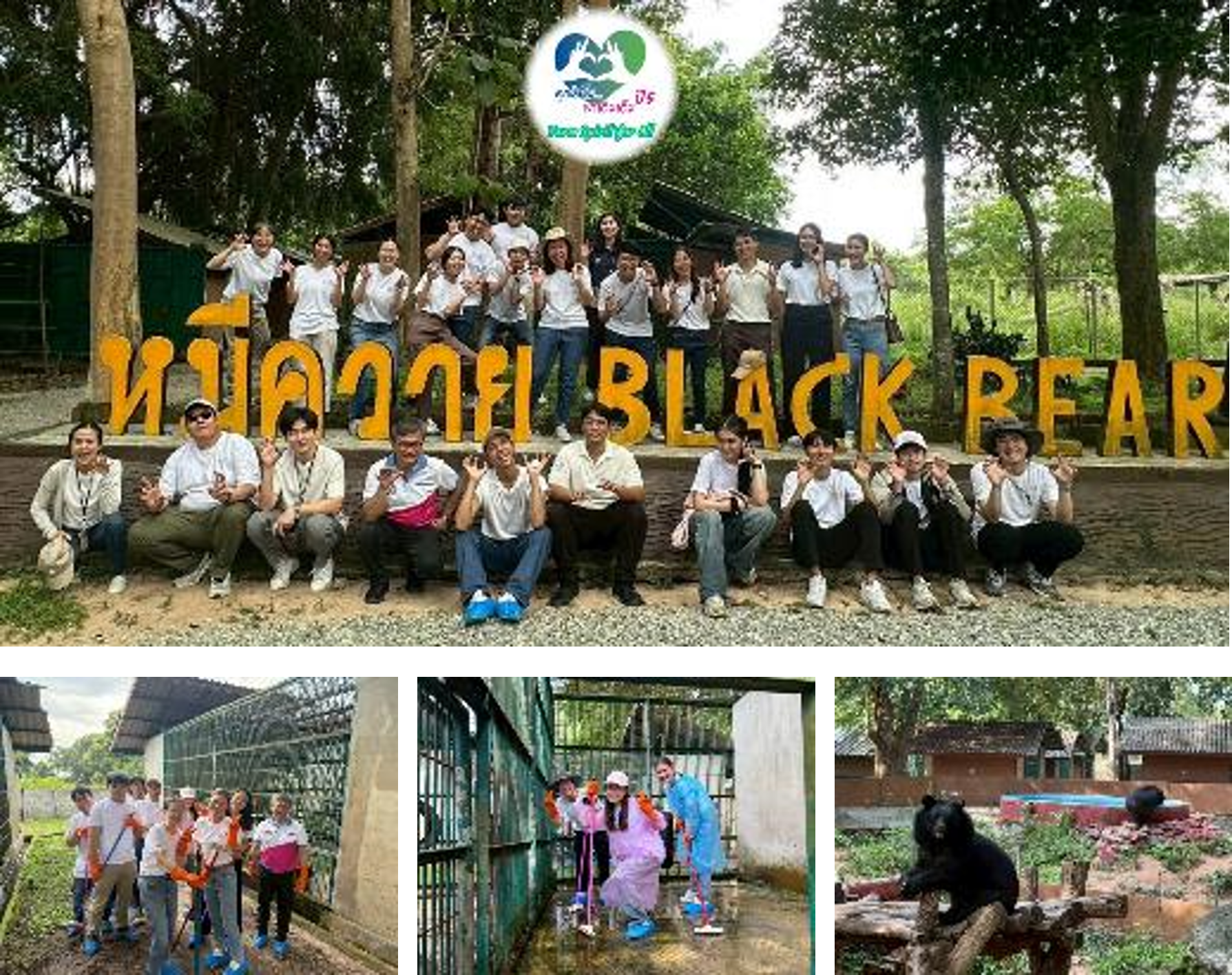
TNVP Organizes “TN Care Bears” Activity to Support Wildlife Conservation at Bang Lamung Wildlife Breeding Station
On 17 October 2025, employee volunteers from the Technology Division (TNVP) organized the “TN Care Bears” activity at the Bang Lamung Wildlife Breeding Station, Chonburi Province. The initiative aimed to foster environmental and wildlife conservation awareness among employees through hands-on participation, including cleaning animal enclosures, creating enrichment toys to promote natural behaviors, and preparing food for wildlife. These activities supported the mission of the Bang Lamung Wildlife Breeding Station in caring for and rehabilitating wildlife.
This activity formed part of the fifth year of the “You Initiate… We Fulfill” (Team Spirit for All) project, which encourages employees to create shared value for society and embeds social responsibility as a core foundation of the Company’s organizational culture.
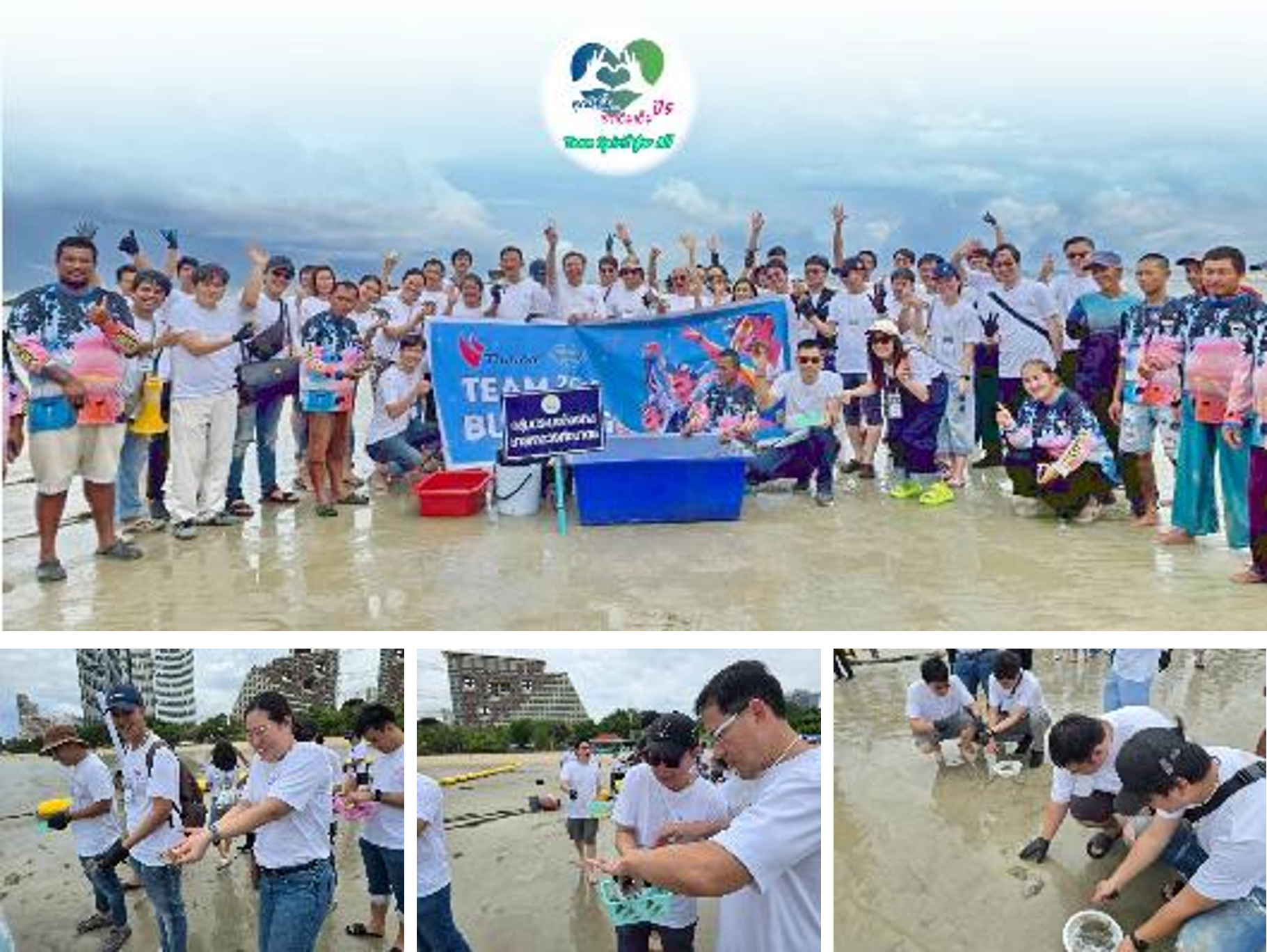
SHMG Volunteers Contribute to Balance Marine Ecosystem at Wong Amat Beach
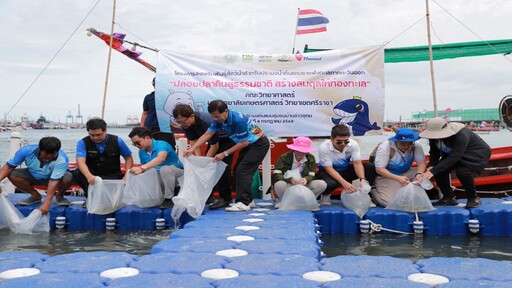
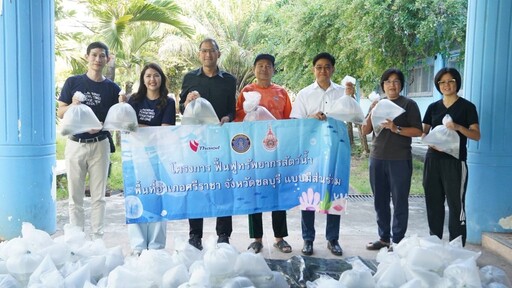
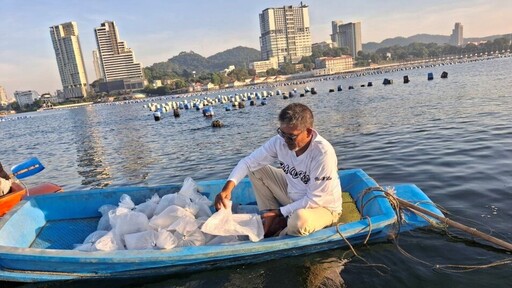
On 22 August 2025, employee volunteers from the Security, Safety, Environment and Clean Energy Project Division (SHMG) conducted a beach cleanup and released 400 juvenile blue crabs at Wong Amat Beach, Chonburi Province. This activity reflects strong commitment to marine resource conservation and the preservation of ecological balance. The initiative was undertaken as part of the fifth year of the “You Initiate… We Fulfill” (Team Spirit for All) project, which encourages employees to create value for society while cultivating social responsibility value as a foundation of the Company’s sustainable culture.
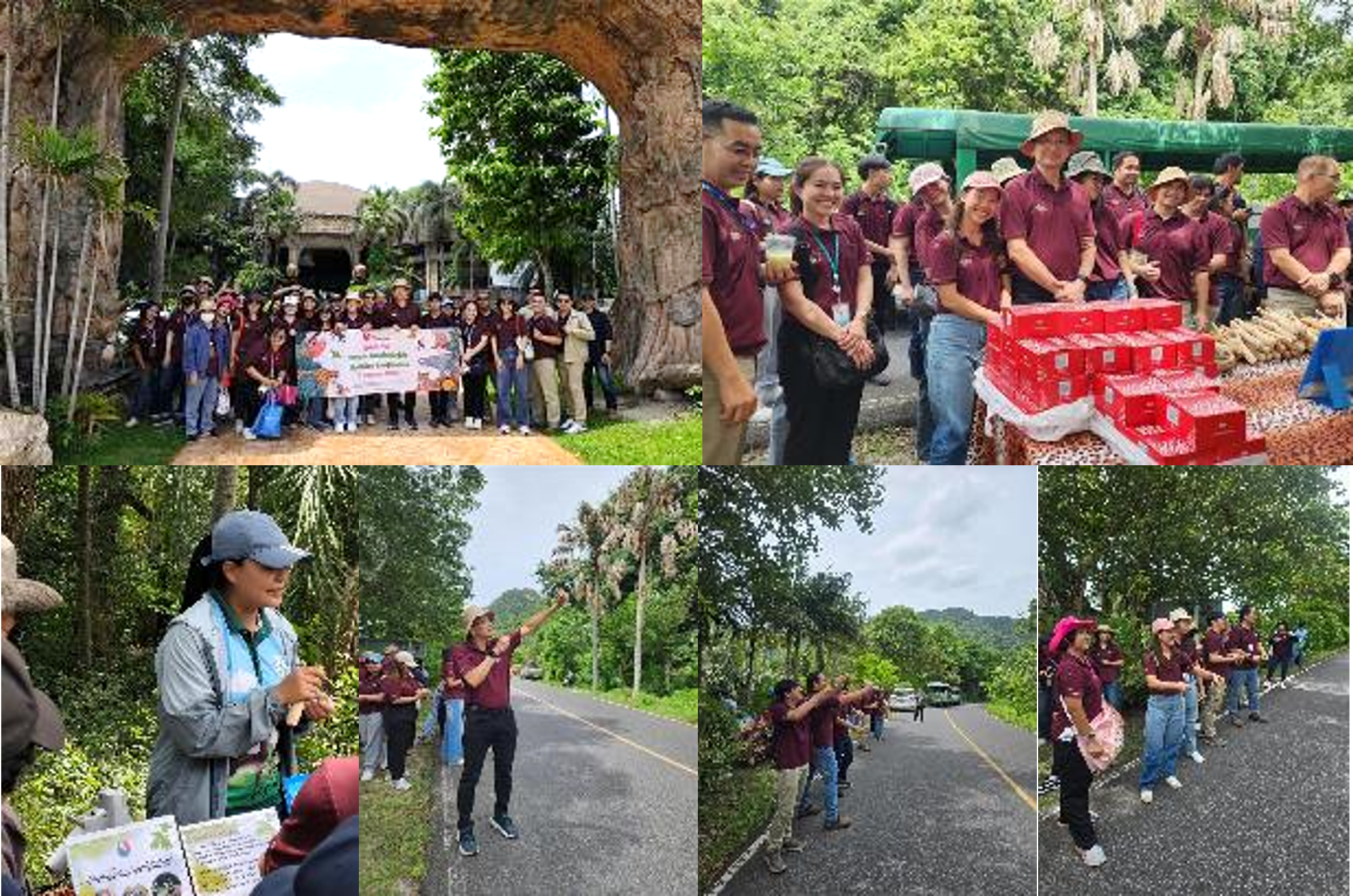
“Seed Shooting to Restore Green Forest and Combat Global Warming” Project at Khao Kheow Open Zoo
On 11 June 2025, Mr. Sermsak Nuntapong led volunteer employees from the Corporate Quality Management Division jointly used slingshots to shoot seed for reforestation. The initiatives aimed to increase trees in natural forest and maintain forest areas without further loss by using seeds from indigenous perennial plants, including Samrong Pa, Wild Olive, and Makha Mong, and mixing with clay and molding into spheres called as “SEEDBALLS”. These seedballs were shot into the forest to scatter and settle on the soil and germinate naturally. This activity contributes to increasing plants serving as food sources for wildlife and expanding forest areas for absorbing carbon dioxide.
2025
Performances
2025
Performances
ในปี 2566 กลุ่มไทยออยล์ได้ปรับปรุงแนวทางปฏิบัติอย่างยั่งยืนของคู่ค้ากลุ่มไทยออยล์ (SCOC) เพื่อให้เป็นไปตามมาตรฐานสากลและสถานการณ์โลกที่มีการเปลี่ยนแปลง และเพื่อให้มั่นใจว่าคู่ค้าเข้าใจในแนวทางปฏิบัติอย่างยั่งยืนของคู่ค้ากลุ่มไทยออยล์ กลุ่มไทยออยล์จึงได้มีการสื่อสารแนวทาง SCOC ดังกล่าว ผ่านเว็บไซต์ของไทยออยล์และงานสัมมนาคู่ค้ากลุ่มไทยออยล์ประจำปี