Skip links

Risk Management

Enterprise Risk Management Policy
Thaioil Group is committed to overseeing risk management across the Thaioil Group. To ensure that risk management is integrated at all levels, support the continuous development of risk management systems, and consider the needs and expectations of stakeholders Thaioil Group assesses and manages significant risks in various areas, both short-term and long-term. These include operational risks, strategic and business risks, investment risks, financial risks, personnel risks, information security and cyber resilience risks, etc. Additionally, Thaioil Group also manages emerging risks that may affect business operations, aiming to keep these risks at as low as reasonably practicable level and manage it effectively and efficiently. This promotes Thaioil Group to achieve its business objectives and goals, while also creating business value and sustainability in line with good corporate governance principles. To achieve these objectives, Thaioil Group has set out the following enterprise risk management policies:
  1. Executives, employees, and contractors are responsible for risk management in their respective units within the Thaioil Group and integrate risk management into significant company operations and comply with the enterprise risk management policy and risk appetite to ensure adequate and appropriate control. Also, contribute to risk management development, report, and review the effectiveness of risk management to reduce potential impacts on company operations.
  2. Promote and cultivate awareness among executives, employees, and contractors about the importance of risk management, integrating it as a continuous organizational culture.
  3. Risk Management Committee (RMC) will consider and establish the risk appetite and support resources, tools, oversight, and guidance for the risk management processes.
  4. Risk Management Steering Committee (RMSC) will support, promote, and drive every function to manage risks according to enterprise risk management policy and procedure appropriately based on the changing business environment.  Also, report the results of risk management to the Risk Management Committee at least once every quarter.
  5. Enterprise Risk Management policy serves as a guideline for all companies in the Thaioil Group to maintain a consistent standard for risk management.

Enterprise Risk Management Policy

​Risk Management Objectives

Thaioil Group’s Vision is to empowering human life through sustainable energy and chemicals, with a goal to promote organizational growth, achieve  leading investment returns, reduce profit volatility through business diversification, consider the interests of all stakeholders and ensure the sustainability of the economy, society, and the environment.

With our Mission to enhance the quality of life for stakeholders and deliver sustainable returns through innovation, technology, and a strong business structure, underpinned by leading governance and corporate social responsibility.

 Thaioil Group is a Strategic-Focused Organization that regularly reviews its vision and business direction to ensure it has the right strategies to adapt to changing internal and external factors. To achieve sustainable growth, Thaioil Group has outlined three key strategic directions as follows:

  1. Value Maximization: focuses on enhancing Thaioil Group’s core competencies in the energy sector, where it holds expertise.
  2. Value Chain Enhancement: focuses on extending Thaioil Group’s value chain by leveraging its refining expertise to venture into high-value chemicals and related businesses.
  3. Value diversification: focuses on identifying and pursuing innovative new business opportunities.

To successfully implement its three main strategic directions, achieve its goals, and generate returns for stakeholders in an uncertain and ever-changing environment, Thaioil Group recognizes the need for a systematic and integrated Enterprise Risk Management (ERM) framework across the entire organization.

​Enterprise Risk Management

Enterprise Risk Management (ERM) is a comprehensive process that involves all levels of Thaioil Group, from executives to frontline employees. It is embedded into the organization’s strategic planning and decision-making processes. ERM aims to identify, assess, and manage risks to an acceptable level, ensuring that the organization can achieve its objectives in line with its vision and mission statements.

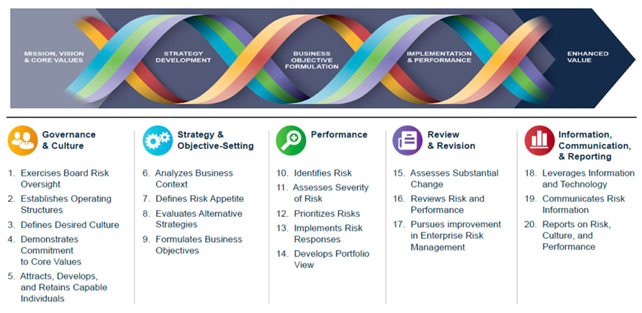
This framework aligns with the principles of the Committee of Sponsoring Organizations of the Treadway Commission (COSO) ERM Framework and ISO 31000;2018 (Risk Management Principles and Guidelines). Enterprise Risk Management (ERM) framework reflects the governance and management policies of each organization. When an organization effectively manages its risks, it enhances its ability to achieve its organizational objectives in terms of both efficiency and effectiveness.

ISO 31000 Risk Management standard is illustrated in figure below

​Risk Management Process

1. Scope, Context, Risk factors (link to mission, vision, core value, strategy, and objective)

The company defines the scope and context of the organization, including risk management criteria that are directly linked to the organization’s objectives. This is done by considering both internal and external factors that may impact the achievement of the company’s objectives in the short, medium, and long term. In the process of defining the objectives of the risk management process, the company considers events or situations that may arise and hinder the achievement of the organization’s objectives. As a result, the objectives are set to be aligned with the company’s vision, mission, goals, strategies, and performance indicators (Key Performance Index: KPI), as well as to take into account emerging risks and respond to the needs and expectations of stakeholders.

2. Risk Assessment (Identification, Analysis, Evaluation)

2.1 Risk Identification
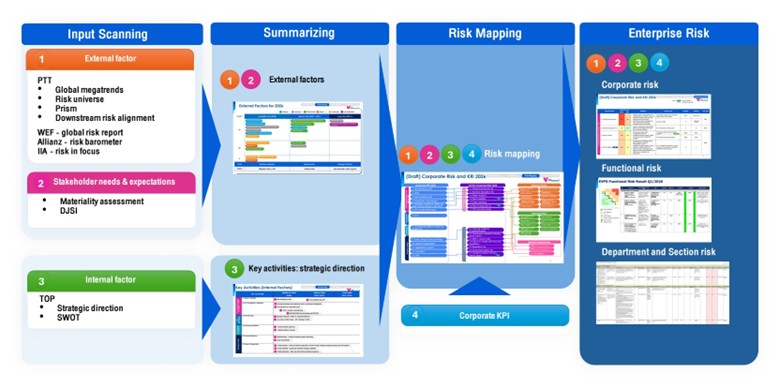
 The company identifies risks, which involves compiling a list or register of events or situations that arise both internally and externally to the organization and have the potential to hinder the achievement of the company’s objectives. Risk identification is carried out by individuals or groups of individuals, such as executives and/or relevant employees, using various methods, such as workshops, interviews or risk perception surveys, and reporting of past incidents.

In identifying risks, the company considers risk factors in six areas, namely:

1) Internal Factors Examples include: Executive policies, Organizational structure, Employee quality, Information technology systems, Integrity, Production plans, and Key Performance Indicators (KPIs)
2) External Factors Examples include: Politics, Community, Economic conditions, Technological changes, Laws, regulations, and contracts, Government regulations, Competitors, Customers, and Natural disasters
3) Needs and Expectations of Stakeholders Examples include: Shareholders, Financial institution officials, Customers, Business partners, Contractors, Employees, Community, Society, and Relevant government agencies and state organizations
4) Results from QSHE Aspect Assessment where risks are at level 4 or above, it should be elevated to the department level and included in the VP Risk profile.
5) Operational Risk Management (ORM) Risk Assessment Results where risks are high, it should be elevated to the department level and included in the VP Risk profile.
6) Additional Factors and Risks as Deemed Appropriate by Management
2.2 Risk Evaluation
 The company assesses risks that may have an impact on achieving its objectives. This is a process that leads to decisions about which risks need to be managed and prioritized for risk management. These decisions are based on information obtained from risk analysis, considering both current risk levels, expected risk levels, and risk tolerance levels. The assessment considers:

  • Impact in six areas, which are impact on people, impact on the environment, impact on assets, impact on reputation,  impact on target, and impact on net profit.
  • Likelihood, this is the probability or chance or frequency of a risk event occurring.

2.3 Risk Exposure (RAM)
To assess the company’s risk exposure, a 5×5 Risk Assessment Matrix (RAM) is used. This matrix defines five risk levels based on the impact and likelihood of each risk. The RAM serves as a tool for prioritizing risks and determining appropriate risk management measures.

2.4 Risk Prioritization
The company has established guidelines for dealing with risks at each level, which are divided into five color-coded areas representing the priority of the risk management plan. These guidelines are as follows:

Risk Level
Guidelines for Each Priority Level
Very high (HH)
Require immediate comprehensive risk management plan and significant resources to mitigate must be provided as priority.
High (H)
Require immediate comprehensive risk management plan and significant resources to mitigate must be provided after ‘Very high’.
Medium (M)
Develop a risk management plan when there are residual resources from “High” Level.
Low (L)
May develop additional risk management plan if there are residual resources from “Medium” Level.
Very low (LL)
No additional risk management plans are required at this time, but regular monitoring is essential. Additional risk management plans can be developed when residual resources become available from ‘Low’ level.

3. Risk Treatment (4T)

 The company establishes measures or activities to manage risks in line with its acceptable risk framework (Risk Appetite) to minimize the likelihood and impact of risks that could hinder the achievement of objectives. This is done by addressing the root causes of risks or the potential consequences of those risks.

Risk Treatment Strategy
To address risks with the 4Ts strategy, as follows:

  • Risk Acceptance (Take or Accept): Risk after implementing controls, falls within the company’s acceptable risk tolerance. No further action is required to address the risk.
  • Risk Reduction (Treat or Reduce): Risk reduction involves implementing additional measures to lower the likelihood or impact of a risk to an acceptable level.
  • Risk Avoidance (Terminate or Avoid): Risk avoidance entails eliminating or discontinuing activities that create the risk. However, with this strategy, it may consider whether its objectives are achievable or modify them to be in line with the company’s overall objectives.
  • Risk Transfer (Transfer or Share): Risk transfer involves shifting or sharing a portion of the risk to another party.

4. Monitoring and Review (Risk treatment progress, Risk exposure, KRI)

Monitoring, evaluating, and reporting on risk management activities and reviewing various risk management practices is an ongoing process carried out by internal personnel within the organization. Additionally, external parties, such as consultants or independent experts, may be engaged to assist in these endeavors.

 Due to the dynamic nature of risk situations, risk management approaches, objectives, and processes, the effectiveness of previously implemented risk control measures may diminish over time. Therefore, it is crucial to conduct regular reviews and monitoring of risk management practices to ensure their continued effectiveness and adaptability in the face of potential changes.  The monitor and review risk management activities and the risk management process, including:

  • Assess the implementation of risk management measures and their effectiveness. Report findings to the Risk Management Steering Committee and the Risk Management Committee.
  • Engage external consultants or entities to conduct an independent review of risk management processes and evaluate Risk Maturity.
  • Conduct an internal audit of risk management practices.
  • Report identified risks and risk management results to relevant stakeholders following the established risk management reporting structure.
  • Evaluate the effectiveness of controls and other risk management activities, ensuring their continuity.
  • Collect comprehensive, accurate, clear, and timely risk management data and maintain proper documentation.
  • Communicate regularly and openly with key stakeholders and relevant departments, both formally and informally.

In addition, the company has established Key Risk Indicators (KRIs) to assess the direction of risks and serve as early warning signals. All key risks must have corresponding KRIs defined, and the performance and appropriateness of these KRIs should be regularly reviewed, assessed, and reported.

5. Recording and Reporting (Risk profile, Risk management performance, Continuous improvement)

The company has mandated that all units prepare records of the analysis and reporting of significant risks in the form of a Risk Profile. This is to ensure a standardized approach, with defined formats and data elements, such as the name of the significant risk, risk level, control measures, risk key indicators (KRIs), etc.

The risk profile and risk management outcomes will be reported to relevant units and committees in accordance with the risk management structure for review, approval, and decision-making on measures or additional measures in a timely manner to address the situation. The organization encourages proactive risk reporting on a regular basis through formal channels as per the plan, including risk management committee meetings and Thai Oil Group management meetings. However, in some cases where urgent action is required, coordination or event-specific reporting may be done prior to formal reporting

6. Communication and Consultation

The company comprehensively communicates and consults with both internal and external stakeholders to ensure that all relevant parties and stakeholders fully understand the causes, impacts, and risk management measures. This ensures that everyone has complete and accurate information, which promotes risk awareness and understanding. Additionally, providing consultation allows for feedback and information to support decision-making.

Stakeholders:
    • Internal: Employees, Contractors
    •
External: Shareholders, Customers, Partners, Competitors, Creditors, Community, Society & Environment, Government
       Agencies & Relevant Organizations

Communication with External Stakeholders:
   • Annual Reports
   •
Form 56-1
   •
Seminars and/or Knowledge Sharing within the PTT Group and other listed companies

Communication with Internal Stakeholders:
   • Report risk management according to risk management structure.
   •
Risk management training and seminars.
   •
Articles
   •
Risk Management Information System (RMIS)
   •
Risk Newsletter
   •
Reporting of risk factors and potential impacts

The company promotes proactive and consistent communication through both formal and informal channels to assess, monitor, and manage risks, as well as control and action plans. This is in accordance with the risk management structure and is driven by the belief that continuous communication ensures timely access to and presentation of adequate risk information for informed decision-making.

Thaioil Group has established a risk management culture and integrating risk management into the organization’s strategic planning and decision-making processes by using ERM. It ensures a common understanding of risk management principles, concepts, methods, and processes across the organization. This enables consistent implementation of risk management steps and procedures, identification of risks, and a shared awareness of the potential impact of uncertainties and an increasingly complex environment on achieving business objectives aligned with the organization’s strategy. ERM also facilitates the development of risk management and internal control frameworks for all levels of the organization, ensuring consistent and continuous adherence to risk management and internal control processes.

  Moreover, ERM also serves as a tool to cultivate an organizational culture that emphasizes risk management knowledge among executives and personnel at all levels. This enables systematic monitoring, review, and evaluation of risks, enhancing the effectiveness of risk management measures. It also facilitates effective communication and reporting of significant risks, providing valuable insights for executive decision-making. Ultimately, ERM contributes to Thaioil Group’s balanced achievement of economic, social, and environmental objectives under the principles of corporate governance. It ensures fair treatment of all stakeholders and promotes sustainable growth while supporting energy security in alignment with good corporate governance practices, regulations of the Stock Exchange of Thailand (SET), and the Securities and Exchange Commission (SEC).

Enterprise Risk Management Strategy

Thaioil Group has established a Enterprise Risk Management Strategy to achieve its strategic vision. This strategy is implemented through a comprehensive risk management process. That is, the organization establishes clear risk management policies and defines its acceptable risk appetite. These are reviewed by the Risk Management Committee (RMC), and the organization implements risk management across the entire organization, encompassing all business units and activities. The Risk Management Steering Committee (RMSC) reviews, monitors, and evaluates the effectiveness of risk management practices on a quarterly basis. Enterprise Risk Management (ERM) is a crucial tool that enables Thaioil Group to achieve its operational and business objectives. To effectively implement ERM, the company has established a comprehensive Enterprise Risk Management Strategy, as outlined below:

Risk Appetite Statement

In defining the company’s risk appetite statement, executives carefully consider the potential financial and non-financial impacts on both individual units and the organization as a whole. This includes potential damage to the company’s reputation. Furthermore, executives implement strategies to mitigate high-risk or severe risks that exceed the company’s risk appetite statement, bringing them within the acceptable range.

The organization will apply its established risk appetite statement to various activities, including:

  • Communicate organizational risks, risk appetite statement, and risk management practices to stakeholders. This ensures that stakeholders are well-informed and have confidence in the organization’s ability to conduct business in accordance with the commitments made to shareholders.”
  • Input for formulating strategies, business guidelines, and parameters or factors used in the planning process.
  • Communicate the organizational values derived from fostering a culture of continuous risk management.
  • Utilize as a framework for delegating authority and responsibilities for managing various units or personnel within the organization.
  • Assess the overall organizational risk to ensure it remains within the organization’s risk appetite statement.

The Risk Management Policy mandates that the Risk Management Committee (RMC), under the supervision of the Board of Directors, establish a Risk Appetite Statement for each of the organization’s significant risks.

For other risks, the acceptable risk level is defined as low or very low. However, if mitigation is not feasible, such as in the case of external factors beyond the organization’s control or when the assessed return does not justify the increased cost of implementing risk management activities, the risks must be closely monitored.

Establishing Risk Appetite Statement must be aligned and consistent with the organization’s goals or objectives. This can be achieved by considering the following information:

Internal Indicators:
1. Key Performance Indicators (KPIs) aligned with targets set in the strategic plan and/or annual operational plan.
2. Internal Regulations
3. Financial statements and statistical data reflecting operational performance

External Indicators:
1. Peer Group or Benchmarking
2. Economic Indicators
3. Regulatory Requirements

Risk Appetite Statement of Thaioil Group

Roles and Responsibilities

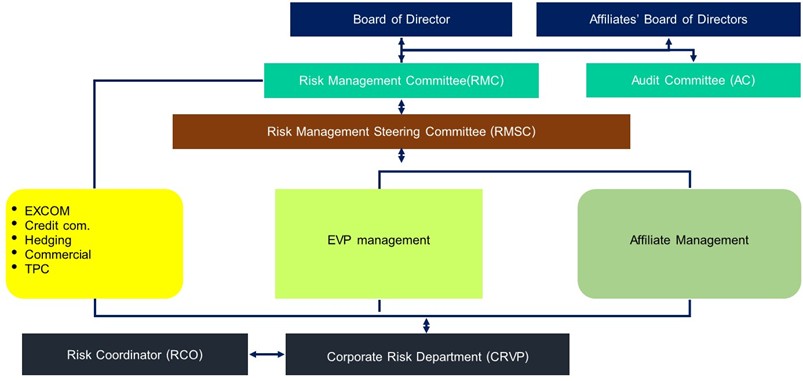
Risk management is an ongoing process that must be integrated into daily activities. Therefore, the roles and responsibilities of the various committees and responsible units cover both Board oversight levels and operational levels, following the ‘Three-Line of Defense Model.’ These roles and responsibilities are defined as follows:

Board Oversight Level

The Board of Directors has the following responsibilities for risk management:

  • Promote enterprise-wide risk management.
  • Oversee risk management activities through the Risk Management Committee, ensuring its effective and continuous implementation.
  • Evaluate the effectiveness of the organization’s risk management.
  • Foster a culture of risk management and internal control principles throughout the organization.
  • Participate regularly in risk management-related activities such as training, workshops, and seminars.

The Audit Committee has the following responsibilities for risk management:

Thoroughly review the adequacy and effectiveness of the organization’s internal control, internal audit, and risk management systems, and may recommend the review or audit of any items deemed necessary and important. The Audit Committee should provide recommendations for improvement of internal control systems, risk management systems, and submit audit reports to the Board of Directors.

The Risk Management Committee (RMC – Sub-Board level) has the following responsibilities for risk management:

  • Define and review the risk management framework, risk management charter, policies, and management processes, recommending risk management practices and ensuring it aligns with strategic direction, business plans, and evolving circumstances.
  • Promote and support risk management initiatives across all levels of the organization, including the development and implementation of risk management tools and fostering a risk-aware culture.
  • Monitor and oversee the reporting of significant risks, ensuring that risk management practices are effective, aligned with business objectives, and maintain risks within acceptable levels as defined by the organization’s risk appetite.
  • Promptly report significant risk management issues or events that could have a material impact on the company to the Board of Directors for their consideration and action.
  • Take on any additional risk management-related duties assigned by the Board of Directors.
‘Three-Line of Defense Model.’ (Operational Levels)

First Line of Defense – Operational Risk Ownership

1.Risk Coordinator (RCO) have the following responsibilities for risk management:

  • Execute according to Thaioil Group’s Risk Management Policy as outlined in the group’s risk management manual.
  • Coordinate and facilitate risk assessment activities within the department or unit. And set appropriate risk mitigation measures.
  • Regularly monitor and review the result of implementation of risk mitigation measures together with concerned parties in the department or units.
  • Present the identified departmental risks to internal meetings for consideration to ensure that risk assessments, reviews, and mitigation plans are efficient and effective.
  • Meeting among Risk Coordinators – RCOs from across the organization to exchange risk management information between units and risk management function.
  • Coordinate and collaborate with the Risk Management Unit to organize risk management awareness and training programs for employees within the department or unit, in order to enhance understanding and raise awareness of the importance of risk management.
  • Participate in risk assessment analysis and develop mitigation for relevant departments

2.Employee and sub-contractor have the following responsibilities for risk management:

  • Manage day-to-day risk and implement corrective actions to address process and control deficiency.
  • Continuously integrate risk management into work processes, ensuring risk management aligns with the organization’s risk management framework, structure, and policies, ultimately cultivating a culture of risk management.
  • Implement and support risk management measures to ensure work practices achieve objectives.
  • Report risks and problems encountered in risk management to supervisors according to hierarchy, and also report to the organization’s strategic risk management unit.

3.Executive Vice Presidents (EVPs) has the following responsibilities for risk management:

  • Encourage all departments, companies in the group, and major projects and investments related to their respective lines of business to conduct comprehensive risk analysis and assessment, including the establishment of appropriate risk management measures.
  • Recommendations for improving risk management practices in their respective lines of business to ensure effective management aligned with business operations, growth, and changing circumstances.
  • Mandate the regular reporting of risk management results and progress for their respective lines of business and group companies, including major projects and investments, to the Risk Management Steering Committee (RMSC) to ensure that appropriate and effective risk management practices are in place.
  • Support and promote the development of risk management capabilities among their respective line of business personnel to foster risk awareness and continuous implementation, ultimately leading to an organizational culture of risk management.
  • Encourage all relevant departments within their respective lines of business to collaborate with the Corporate Risk Management Department in monitoring, evaluating operational performance, and the adequacy of risk management measures and plans for all critical aspects, group companies, and major projects and investments.

Second Line of Defense – Risk Management and Compliance Oversight 

1. Corporate Risk Management Department have the following responsibilities for risk management:

  • Plan and prepare a budget for the operations of risk management, internal control, and business continuity management of Thaioil Group.
  • Evaluate and review the organization’s risk management, internal control, and business continuity management processes to ensure compliance with international standards.
  • Evaluate and review corporate risk, line-of-business risk, and departmental risk in alignment with the organization’s goals and direction, including monitoring the progress of implemented risk management measures.
  • Evaluate and review investment project risks, including analyzing, monitoring, and implementing risk management measures to maintain an appropriate risk level for each project.
  • Mandate regular risk assessment and review, including risk management measures, for all departments across Thaioil Group.
  • Monitor and evaluate the effectiveness of risk management measures and overall risk levels for each department.
  • Report the results of the analysis, assessment, and review of corporate risk, internal control, and business continuity management of Thaioil Group to the Thaioil Group Risk Management Steering Committee, the Risk Management Committee, and the Board of Directors in accordance with the risk management plan to summarize risk management results and communicate to all relevant units. 
  • Implement and communicate the policies and recommendations of the Thaioil Group Risk Management Steering Committee and the Risk Management Committee to relevant parties.
  • Develop and update manuals and guidelines of risk management, internal control, and business continuity management for Thaioil Group to align with current business practices.
  • Communicate, raise awareness, provide knowledge, and coordinate or arrange training on risk management, internal control, business continuity management, and related knowledge on a regular basis.
  • Coordinate and exchange risk information with petrochemical and refining companies in the PTT group.
  • Maintain and enhance the risk management database for efficient operation.
  • Develop, review, and improve the business continuity plan (BCP) and action plans to support Thaioil Group’s business continuity management, including conducting regular BCP drills for Thaioil Group.
  • Serve as the secretary of the Thaioil Group Risk Management Steering Committee (RMSC) and the Risk Management Committee (RMC).
  • Review, monitor, and audit control activities and the results of compliance with the defined control activities to ensure that the organization has effective and efficient internal control, supporting the achievement of organizational goals and sustainable business growth.

2.Risk Management Steering Committee (RMSC) comprising of senior management or executive level has the following responsibilities for risk management:

  • Establish a framework, policies, and structure, including risk management, internal control, and business continuity management strategies, for Thaioil Group that are appropriate for the business, aligned with changing circumstances, and in accordance with international standards.
  • Promote various departments and companies in Thaioil Group to analyze, assess, and determine risk management measures and report risk management results, progress in risk management in all aspects of Thaioil Group companies, including important projects and investments, to the Committee on a regular basis to ensure that risk management is managed, and measures are taken appropriately and effectively.
  • Review, monitor, and audit the results of risk management, including recommendations on risk management, internal control, and business continuity management practices of Thaioil Group in accordance with the risk management framework, policies, and internal control and business continuity management practices to ensure that management is effective and appropriate for the operations and growth of the business.
  • Regularly screen and report significant risk management, internal control, and business continuity management results of Thaioil Group to the Risk Management Committee (RMC).
  • Approve plans, guidelines, and manuals, and support and allocate necessary resources for risk management, internal control, and business continuity management of Thaioil Group.
  • Support and promote the development of employee capabilities so that all levels of employees understand and are aware of risk management, internal control, and business continuity management in order to create awareness and can be implemented continuously until it becomes an organizational culture.
  • Encourage all departments to cooperate with the Risk Management Department in monitoring, evaluating the results of operations, and the adequacy of risk management measures and plans for all aspects, companies in the group, including important projects and investments.
  • Hold meetings at least once a quarter.

Third Line of Defense – Independent Audit Unit

Internal Audit Unit has the following responsibilities for risk management:

  • The Audit Committee has assigned the Internal Audit team to provide independent assurance on the review of compliance, corporate governance, risk management, and internal control.
  • Set strategic plans, annual and long-term audit plans, execution plans, and audit outcomes, while recommending and monitoring progress on significant issues, and reviewing the independence of the internal audit.

The Risk Management Unit is responsible for providing knowledge and guidance on risk management to employees and contractors across all Thaioil Group companies on a regular basis. By utilizing communication channels such as designated risk coordinators or management within each unit, including periodic training sessions or meeting as per risk management plan. Assessing risk and monitoring risk management activities and reporting identified risks and their assessments to relevant committees in line with the risk management structure, ensuring that all significant risks are reviewed from various perspectives and receive support from senior management through appropriate risk management measures.

Risk Audit

The company has established an audit procedure with the aim of ensuring that the company’s risk management process is effective and meets the organization’s objectives. To ensure that the risk management of each unit can be carried out in full compliance with the requirements and for the certification of various ISO standards, such as the Quality Management System (ISO 9001), Environmental Management System (ISO 14001), Occupational Health and Safety Management System (ISO 45001), etc. With a consistent annual audit frequency, the company’s risk audit is implemented through:

Internal audit, conducted by the company itself, consists of various units such as the Corporate Risk Management Department, the Quality Management Department, and risk coordinators from each unit.

External audit, conducted by an external auditor who provides system certification for various ISO standard certifications.

The audit process consists of the following steps:

  • Define the Audit Plan: Establish the timeframe, objectives, and scope of the audit.
  • Establish Evaluation Criteria: Define the standards and requirements to be used for evaluation.
  • Conduct the Evaluation: Carry out the audit according to the defined plan and criteria.
  • Identify Observations: Identify any issues that may not comply with the requirements.
  • Implement Improvements and Follow-up: Take corrective action to address identified issues and track the effectiveness of the corrective actions.
  • Prepare a Report: Document the audit findings in a written report.
  •  
Sensitivity analysis and stress testing

Sensitivity analysis and stress testing

The company’s risk management process utilizes Sensitivity Analysis tools to analyze both financial and non-financial aspects, in order to evaluate and assess potential impacts. This process facilitates risk assessment and the evaluation of appropriate risk mitigation measures.

Enablers

Enablers

The company has developed and promoted a risk management process that utilizes a variety of tools to effectively enhance risk governance. This includes the Risk Management Information System (RMIS), which serves as a centralized database for collecting, recording, and reporting risk data in a systematic manner. Employees can access this system through the company’s intranet for convenient and timely access to risk information.

Focused training throughout the organization on risk management principles

Focused training throughout the organization on risk management principles

 In addition, to foster a culture and awareness of risk management, the company continuously communicates through various activities, such as: Risk Newsletter: Prepared by the Corporate Risk Management Department, this newsletter presents information on risks and significant events that may impact the company in the future. Also, this includes Enterprise Risk Management (ERM) Training. These training sessions aim to enhance knowledge and understanding of risk management at the organizational level. The training includes both E-learning modules through the Thaioil Academy for all levels of employees and workshops focused on various concepts and techniques for risk coordinators from each unit. This provides opportunities to practice and apply risk management theory in real-world scenarios, enhancing preparedness to address various risks.

Finally, the company emphasizes Knowledge Management (KM) by recording and sharing lessons learned from past experiences and best practices. This contributes to overall improvement in risk management effectiveness.

Regular risk management education for all non-executive directors

Regular risk management education for all non-executive directors

To ensure that directors obtain regular risk management education. Thaioil has defined on the Charter of Thaioil’s Risk Management Committee requiring that the members shall have adequate risk management knowledge and understanding or relevant significant expertise to support the Company’s business operations to fulfill the Committee’s objectives. The company organizes training sessions to develop competency of the Risk Management Committee through the certified institute, for example, Thai Institute of Director Association (IOD), on risk governance, risk management roles and responsibilities and frameworks.  The Risk Management Committee gradually receives the trends, or factors that will impact the company quarterly during the agenda of updating environmental scanning in the meeting.  

Not only the Risk Management Committee but also all non-executive directors will receive the information and training session to annually educate the board of director to manage risk related the company business with various session through, for example, inviting expert in the topic of interest to share their point of view and information in the Strategic Thinking Session (STS), Risk expert sharing, Expert session etc. These training and sharing sessions emphasize and educate the board to understand the future trends, the risk and how this will impact the company for use in directing, suggesting and seeking the appropriate mitigation. This training and sharing sessions also aim to provide valuable insights and perspectives to our directors, executives, including key staff, to support in business strategies, risk management planning and new investment for future trends.

Annual performance

Financial incentives which incorporate risk management metrics

Financial incentives which incorporate risk management metrics

Thaioil aligns corporate strategic objectives and KPIs across all VPs to oversee functional performance, each with their own KPIs, risk profile, and individual performance metrics. Completion of risk management plan (%) is embedded in one of Executives’ KPIs. This initiative aims to embed risk management into Thaioil’s culture, with progress in mitigating key risks tied to financial incentives for each function and subsidiary, directly linking it to individual performance.

Incorporation of risk criteria in the development of products and services

Incorporation of risk criteria in the development of products and services

Thaioil incorporates risk criteria into the product development and approval process by requiring that all investments undergo risk assessment procedures covering established corporate risks. At the initial stages of investment planning, a pre-risk assessment is conducted. Subsequently, investment analysis includes a risk assessment review using an investment checklist of key risks in each category. The examples of key risk considerations include price volatility, margin depression, technological risk, scope change, availability of supplier/vendors, staff competency, law and regulatory change, potential partner, liabilities, social tension, funds, ESG and strategy.

Depending on the project’s value, the risk assessment may be submitted to the Risk Management Committee of the Board for review. During the project execution stage, key risks are identified along with assigned mitigation measures. Finally, during the operational phase, a retrospective analysis is conducted to review results, including risks.

Corporate Risk Profile

Corporate Risk Profile

Thaioil demonstrated two elements of its corporate risk profile, including detailed risk descriptions evaluating likelihood and magnitude, along with corresponding mitigating actions.

Annual performance

Emerging risk

Emerging risk

The dynamic nature of political, economic, social, environmental, legal, and technological factors can significantly impact business operations and introduce emerging risks for the organization in the future.
Annual performance

ประกาศกระทรวงสาธารณสุข เรื่อง การแจ้งข้อมูลที่จำเป็นเกี่ยวกับการเฝ้าระวัง การป้องกัน หรือการควบคุมโรคจากสิ่งแวดล้อมแก่ประชาชน ที่ได้รับหรืออาจได้รับมลพิษ พ.ศ. 2567

Embeds good corporate governance

Embeds good corporate governance, business ethics, and anti-corruption principles since the first day of employment. The Company integrates the principles into the orientation program for new employees and shared the CG handbook through the CG Reporting system. As a result, 100% of new employees acknowledged and participated in the trainings.

Organized knowledge sharing sessions to customers both in online and on-site presentations with various topics

Organized knowledge sharing sessions to customers both in online and on-site presentations with various topics such as Fundamental of Refinery Process and Business & Refinery Overview. This aims to enhance customers’ knowledge and understanding of the oil refinery industry and market.

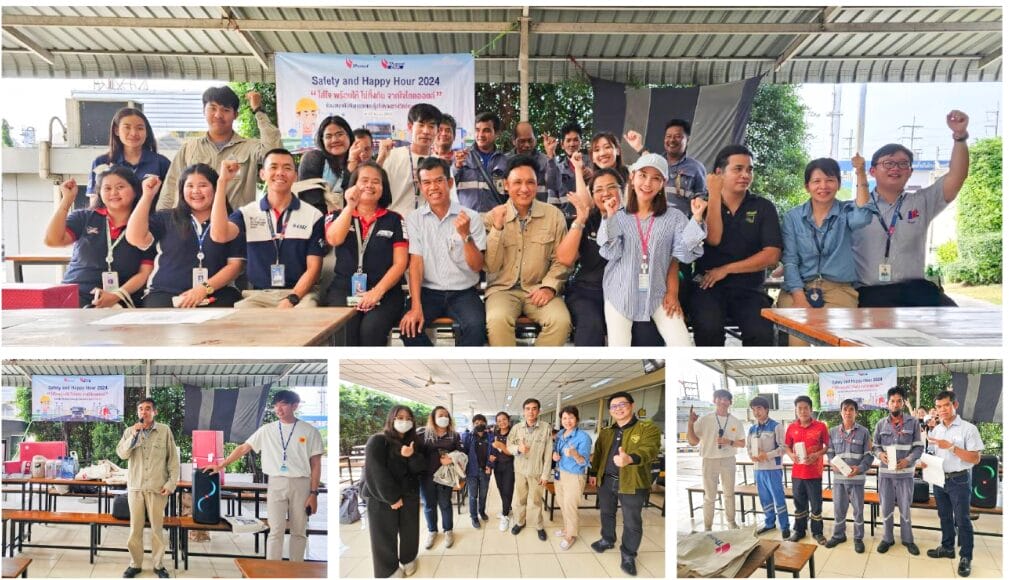
Organized “Safety and Happy Hours” activity for drivers in 2024

Organized “Safety and Happy Hours” activity for drivers in 2024 to raise awareness on safety during product pickups for customer groups working at fuel stations, transport coordinators, ticket room staff, and other related units.

Organized cultural promotion activities through the “Cultural Activity” project.

Organized cultural promotion activities through the “Cultural Activity” project. The activity of this project aims to enhance the learning about national history and art together with customers at the Chao Sam Phraya National Museum, Phra Nakhon Si Ayutthaya Province.

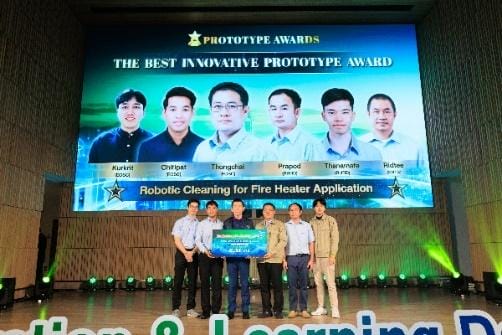
Thaioil Innovation Awards 2024

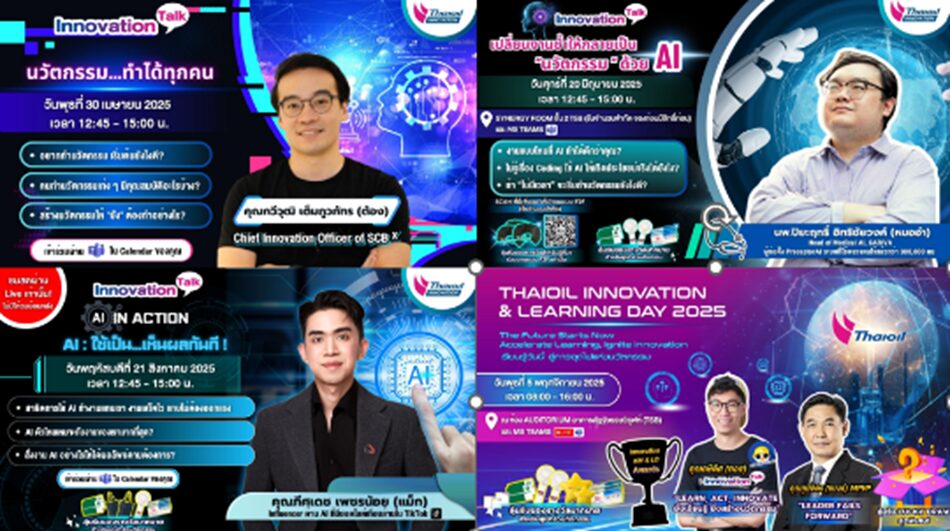
Innovation Talk

Invited external speakers with expertise in innovation to share knowledge to employees. Notable speakers included Ajarn Thongchai Rojkangsadal from the Faculty of Engineering, Chulalongkorn University; Mr. Thana Slanvetpan, General Manager of AI and Robotics Ventures Co., Ltd.; Mr. Nattapat Thanesvorakul, a corporate innovation assessment consultant from RISE Accel Co., Ltd.; and Mr. CK Cheong, CEO of Fastwork Technologies Co., Ltd. In 2024, a total of 4 sessions were held with 15% increase in employee participation compared to the previous year. Moreover, the overall satisfaction level improved from 93 to 94 out of 100. There were many employees participating in each session reflecting to consistently positive response from them.

TOP BCG Updates

Prepared public relations materials in the form of monthly emails to enhance knowledge on BCG, a new economic model of the Thai government focusing on the three economic systems – Bio-Economy, Circular Economy, and Green Economy. The examples of contents involve electric vehicles, hydrogen energy, and other innovations for reducing global temperatures. In 2024, the overall satisfaction level was at an excellent level (97 out of 100).

TOP Innovation E-newsletter

Prepared the public relations media through weekly emails distributed to all Thaioil Group’s employees. The content will focus on promoting creativity, out-of-the-box thinking, and a growth mindset to cultivate the qualification of quality innovators and to build awareness of the importance of innovation in the present era. As a result, these activities have created good momentum and feedback for the Company. In 2024, the Company disseminated a total of 39 TOP Innovation E-newsletters with over 24,707 readers. Meanwhile, the readers’ satisfaction score was at an excellent level (97 out of 100).

Innovation and Learning Day 2024

Innovation Failure Challenge activity

Innovation Roadshow activity

Innovation Idea Challenge activity

Generating New Actionable Ideas through Change Agent SME
Idea Facilitation & LO Inspirer Workshop

Organized a workshop activity to develop the change agent by choosing the representatives from selected functions. The groups of change agents will be developed with the full knowledge, skills, and tools, to facilitate them to create innovation culture and invent new ideas within their functions.

CEO Townhall and Management Meeting

rganized a communication activity to encourage communication between the CEO and all employees to emphasize the Company’s direction, strategy, plans, and performance. This activity helps to ensure that employees understand and are aware of the top management’s commitment to bring changes to the Company and all employees. In addition, the progress of the Innovation Culture Awareness project will be regularly reported in the Company’s top management meetings to stimulate them to foster an innovation culture among employees.

Building Innovation Culture Awareness through Top
Management Workshop (Management Outing Workshop)

Organized a workshop activity for top management to be the leading change makers. This aims to create Innovation Culture Awareness for employees in their line or function through the core behavior of “Lead to Innovation Culture.” In addition, the workshop fosters them to exchange their experiences with external speakers on innovation creation, communication, and practices to apply the i-LEAD behavior as a role model.

Teach for Thailand Project

Objective

To develop potential changemaker teachers to serve as teaching assistants for middle school students.

Project Type

Teach for Thailand Project

Performances 2024

Thaioil Group has allocated budgets to develop teachers to be changemakers for the sixth consecutive year. In 2024, the Company funded two teaching assistants for science and mathematics subjects in junior high school at Wat Mano Rom School, Sriracha District, Chonburi Province, which is located close to the Thaioil refinery. This project was conducted for one year and achieved positive performance evaluations, including:
1. Taught a total of 489 students in science and mathematics subjects during the 2024 academic year.
2. Compared to the average post-test score (28.51) and the average pre-test score (27.57) in the first semester, there was an increase in the student’s academic performance, personality traits, and essential skills. Furthermore, it also found that changemakers fostered and developed student’s personality traits in terms of perseverance, growth mindset, and the ownership of their learning. Similarly, they also contributed to and improved student’s essential skills, consisting of critical thinking, collaboration, and self-awareness.
3. Adopted technologies in the teaching materials, such as videos, board games, and online programs. This resulted in the students’ development and foster positive attitude towards the studied subject through demonstrating the ability to answer questions, classify examples, and collaborate well in team with their classmates.
4. Majority of the students recognized the dedication and significant development in work performance of changemaker teachers.
5. The school director and staff were satisfied with the teaching performance of the changemakers. Their overall satisfaction score was 9.1 out of 10. Furthermore, 92 percent of respondents acknowledged that the changemakers were competent and possessed appropriate characteristics for performing the work in challenging contexts. Moreover, changemakers regularly exchange their knowledge with the students.

Teach for Thailand Project

Objective

To develop potential changemaker teachers to serve as teaching assistants for primary and middle school students, aiming at enhancing instructional quality and elevating the overall standard of education for students.

Project Type

Teach for Thailand Project

Performances 2025

Thaioil Group has partnered with the Teach For Thailand Foundation since 2019 to develop teacher potential and enhance student quality, character, and essential skills. In 2025, the group supported two teaching fellow positions in Science and Mathematics for lower secondary students at Wat Manorom School in Si Racha, Chonburi, which concluded in October. Subsequently, starting in November, the group has continued its support by providing two teaching fellows in Science and Mathematics for primary students at Wat Mai Noen Phayom School, also in Si Racha, Chonburi.

Forest Planting Project for the benefits of Carbon Credits

Objective

To support the forest restoration and conservation target, which can extend Thailand’s green areas and reduce greenhouse gas emissions through enhancing carbon dioxide sequestration, coupled with improving the quality of life for communities surrounding the target forest areas.

Project Type

Forest Planting Project for the benefits of Carbon Credits

Performances 2024

Thaioil Group implemented reforestation projects for carbon credit benefits, covering a total of 8,656.22 rai as the following detail.
1. 8,300 rai of terrestrial forest in Phrae Province in collaboration with the Royal Forest Department.
2. 356.22 rai of mangrove forest in Chon Buri and Trang Provinces in collaboration with the Department of Marine and Coastal Resources.

These projects were expected to capture 88,000 tons of carbon dioxide equivalent over the 10-year project period and enhance biodiversity by selecting and planting local tree species in target forest areas.

In addition, to continue the implementation of reforestation and forest conservation, Thaioil Group has also supported the establishment of 4 community enterprises, which it does not only aim to distribute local incomes and encourage community economy, but it also aims to enhance the knowledge regarding to forest conservation. Furthermore, the Company also supports improving local quality of life through promoting job creation and advocating in educational, social, and cultural development in the communities.

Thaioil CE WE GO Project: Promoting Circular Economy Values

Objective

To raise awareness of energy and environmental conservation among employees and foster positive coexistence behaviors within the organization.

Project Type

Thaioil CE WE GO Project: Promoting Circular Economy Values

Performances 2024

In 2024, Thaioil Group conducted activities under the “Thaioil CE WE GO” project, as follows:

1. Organized 2 sessions of Green Office training for the Auditorium Building and the Thaioil Health and Learning Center, with the aim of preparing for registration of Green Office certification with the Pollution Control Department for both buildings in 2025. 
2. Conducted a study tour project with 10 representative households and the Ban Na Kao community committee by visiting the waste management model community project in Rayong Province.

Thaioil CE School Model

Objective

To raise awareness and contribute knowledge with students and youths on the importance of the Circular Economy (CE) and relevant topics.

Project Type

Thaioil CE School Model

Performances 2025

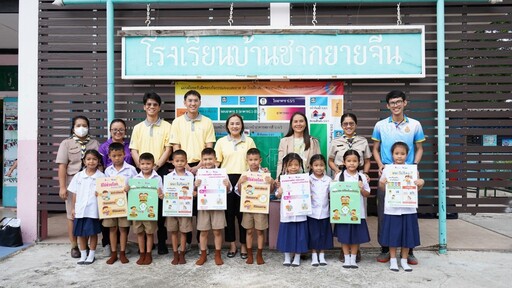
Thaioil Group has been implementing this project since 2022 to transfer systematic waste management knowledge to schools surrounding the refinery. In 2025, the program provided educational materials, supported waste sorting equipment, and featured training sessions by experts from the Thailand Greenhouse Gas Management Organization (TGO). Additionally, an upcycling invention contest was held to encourage the practical application of Circular Economy (CE) principles in daily life. In 2025, the project expanded its reach from 9 to 10 schools by adding Laem Chabang 3 Municipal School, aiming to cultivate a mindset of systematic waste management and promote the sustainable and efficient use of resources.

The Eco-Journey Project: Kasetsart University - Thaioil

Objective

To promote environmental education among youth, ensuring an accurate understanding of ecosystems while instilling a deep sense of conscience for nature and environmental conservation.

Project Type

The Eco-Journey Project: Kasetsart University – Thaioil

Performances 2025

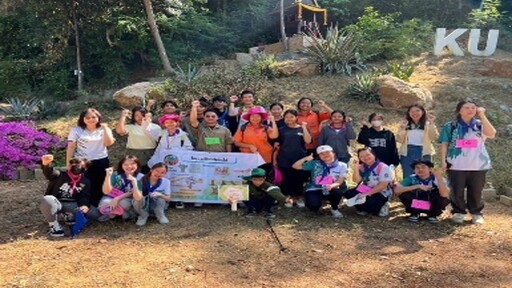
Thaioil Group, in collaboration with the Faculty of Science at Kasetsart University (Si Racha Campus), promotes environmental education for youth living around the refinery. The program engages participants in exploring nature trails at Khao Nam Sap, located near the university. This experiential learning initiative combines classroom instruction with fieldwork, allowing participants to study forest ecosystems, flora, fauna, and the complex relationships between living organisms. Furthermore, the project aims to instill a deep sense of environmental conscience and a commitment to nature conservation.

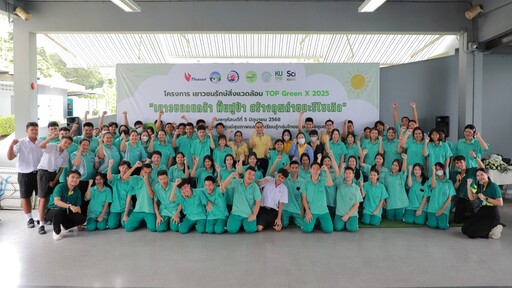
TOP Green X Youth Environmental Conservation Project 2025: Empowering Youth in Forest Restoration and Adding Value to Recyclable Waste

Objective

To enhance understanding and awareness of environmental problems, especially the impacts of plastic waste on nature and ecosystems.

Project Type

TOP Green X Youth Environmental Conservation Project 2025: Empowering Youth in Forest Restoration and Adding Value to Recyclable Waste

Performances 2025

Thaioil Group, in collaboration with Laem Chabang Municipality, organized an initiative to enhance environmental knowledge and skills for youths from 10 surrounding communities, students from Laem Chabang 3 Municipal School, and students from the Faculty of Science, Kasetsart University (Si Rracha Campus). The program utilized hands-on learning processes, including tree planting for green space restoration, educational sessions on carbon credits, and DIY upcycling workshops to create plant pots from waste materials. Additionally, a creative social media campaign contest was held to encourage environmental advocacy among the younger generation.

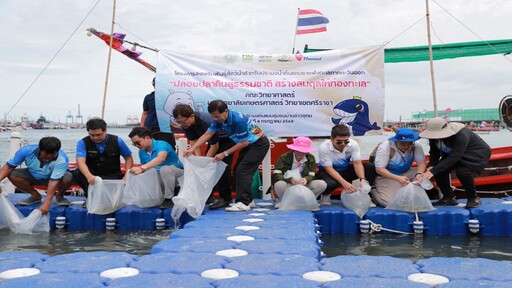
Aquatic Species Project in collaboration with the fishery communities

Objective

To restore the marine and coastal ecosystems and resources to a state of abundance.

Project Type

Aquatic Species Project in collaboration with the fishery communities

Performances 2025

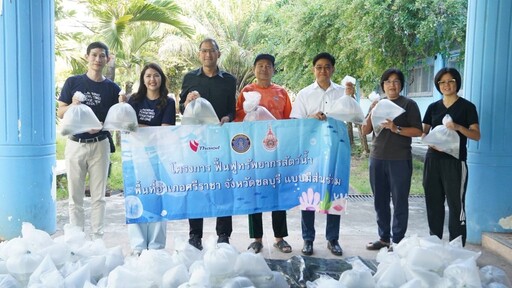
Thaioil Group actively promotes the conservation of Thai seas through the “Releasing Fish Back to Nature: Restoring Ocean Balance” initiative, held at the Ban Ao Udom Fishery Model Community. To restore the marine ecosystem and natural balance, 3,000 barramundi fingerlings were released into nursing cages and the open sea in areas equipped with fish homes (artificial habitats) and artificial reefs. The project also included communication activities to educate and encourage the public and local communities to participate in the sustainable conservation of marine resources.

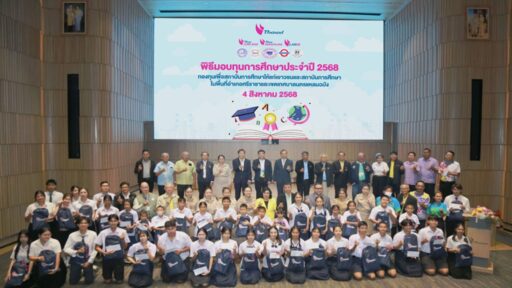
Educational Project

Objective

To provide educational opportunities for youth in Laem Chabang City Municipality and Si Racha District, while empowering them to develop their potential and contribute to society as key drivers of the country’s future development.

Project Type

Educational Project

Performances 2025

Thaioil Group provided 252 scholarships to primary, secondary, vocational, and university students who behaved well and were diligent in their studies. Additionally, the Company also provided 11 educational funds under the Thaioil Group fund to educational institutions, which are located in Laem Chabang City Municipality and Si Racha District. This fund has a total contribution amounting to 1,900,000 THB. Additionally, this fund is part of an annual program that Thaioil Group has consistently implemented to support education and foster academic excellence.

Community Economic Support Project

Objective

To enhance community capabilities through job creation projects in the Si Racha District at the Community Health and Education Center.

Project Type

Community Economic Support Project

Performances 2025

In 2025, Thaioil Group conducted community economic development activities as part of the Community Economic Promotion Project. The activities include:

1. The “Refinery Community Products” project, aimed at promoting careers and generating income for the “Loma Laem Chabang Community Enterprise.” The initiative involved participating in the KU Green Connect: Enactus & SX Exploration program to enhance entrepreneurial and marketing knowledge. Furthermore, it served as a platform to showcase Thai culture and community identity to international students at Kasetsart University, strengthening the local economy while ensuring the sustainable preservation of local heritage.
2. The “Supplementary Occupation, Increased Income Project”, aimed at enhancing the potential of the Loma Laem Chabang Community Enterprise. A study visit and operational exchange were organized at the Noen Krabok Women’s Farm Community Enterprise in Bo Win Sub-district, Si Racha District, Chonburi Province, on April 28, 2025. This initiative was designed to broaden knowledge, share experiences, and strengthen vocational capabilities, ultimately fostering community resilience and long-term sustainability.

100,000 km. Walk and Run Project

Objective

To encourage communities to engage in walking and running activities to enhance their physical health. The Company also shared healthcare knowledge for participants to apply to themselves as well as their families.

Project Type

100,000 km. Walk and Run Project

Performances 2025

Thaioil Group invited the community surrounding the refinery to engage in physical activity through walking and running, with a goal to collectively achieve 100,000 kilometers. Participants recorded their distances using the “Step Counter” application. Additionally, there were a total of 175 participants taking part in the activity, with twoscheduled follow-up events at the Thaioil Health and Learning Center for the Community to monitor progress.

Dental Health Promotion Project for Schools Around Thaioil Group

Objective

To promote oral health for students.

Project Type

Dental Health Promotion Project for Schools Around Thaioil Group

Performances 2025

Thaioil Group has provided dental services, including oral health check-ups, fillings, extractions, fissure sealants, fluoride coatings, and tartar removal. The initiative aims to promote cavity prevention and enhance oral health for a total of 5,500 students in grades 1 to 6 across eight schools in the Thaioil Group’s surrounding communities.

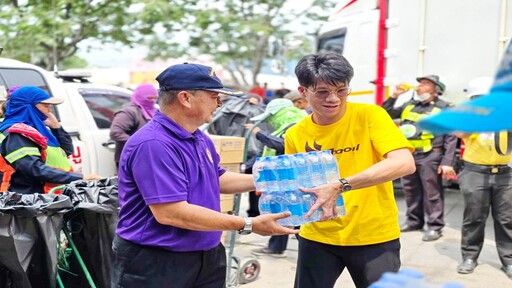
Project to Support Victims of Natural Disasters and Emergencies

Objective

To help and support the victims of natural disasters and emergencies in collaboration with the PTT Group.

Background

Thaioil Group has collaborated with the PTT Group to proactively aid affected individuals and alleviate the suffering of people affected by various natural disasters and other emergencies.

Approach

1. Monitor natural disaster situations throughout the country. 2. Provide assistance within the Company’s operational areas. 3. Coordinate with PTT Public Company Limited to extend assistance to areas outside of the Company’s operational areas.

Performance 2025

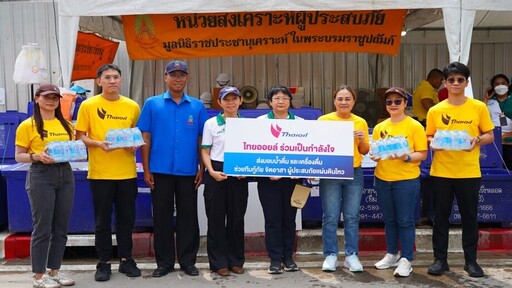
Thaioil Group, in collaboration with PTT Group, provides timely assistance to disaster victims nationwide. Support in the form of survival bags, beverages, and drinking water was provided for the following incidents:
1. Rescue personnel at the State Audit Office (SAO) building incident.
2. Those affected by the unrest along the Thai-Cambodian border.
3. Victims of flooding caused by Typhoon “Wipha” in Nan Province.
4. Flood victims in Sing Buri Province.
5. Flood victims in the Southern region of Thailand.

The “You Initiate… We Fulfil” Project: Year 5

Objective

Develop a volunteer culture by emphasizing employee engagement and leveraging staff competencies to develop projects that align with the company’s social responsibility direction.

Background

Thaioil Group is committed to stimulating and instilling a volunteer spirit among employees in accordance with the corporate value of “Social Responsibility.” To this end, the company has implemented the “You Initiate… We Fulfill” project, inviting executives, employees, and contractors to actively participate in social responsibility activities.

Approach

1. Publicize the projects in April 2025
2. Encourage employees to execute projects between May and November 2025 across four key pillars: 1) Health and Sports, 2) Energy and Environment, 3) Education, and 4) Social and Culture.
3. Provide a dedicated volunteer budget of 20,000 Baht per department to support these initiatives.

Performance 2025

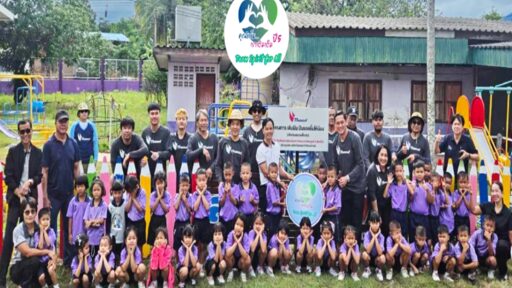
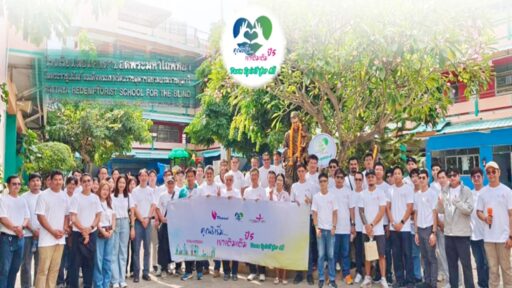
Thaioil Group implemented social initiatives under the “Team Spirit for All” concept, inviting executives, employees, and contractors to lead social responsibility activities based on their specialized knowledge and expertise. To support these efforts, the company provided a dedicated budget of 20,000 Baht per department for necessary materials and equipment. The program saw participation from 36 departments and over 1,170 individuals, resulting in a total of 25 projects across various dimensions. These included utility system improvements, knowledge sharing on manufacturing cleaning products, and environmental restoration, such as electrical and facility repairs, producing medical supplies and handicrafts for the community, beach cleanups, enhancing food sources for wildlife, and landscape restoration—all aimed at fostering sustainable benefits for the community and the environment.

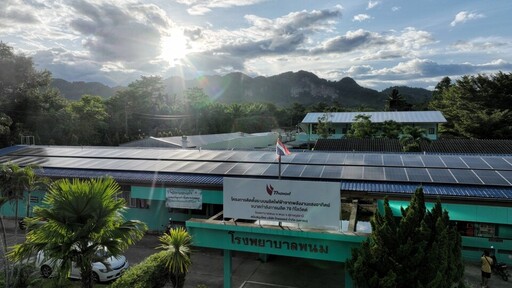
Sustainable Energy for Healthcare and Education

Objective

To enhance energy security through leveraging engineering expertise and energy management knowledge to implement solar power generation projects for hospitals and schools, effectively reducing their electricity cost burdens and allowing those savings to be reinvested into further social development initiatives while simultaneously reducing greenhouse gas emissions.

Background

Thaioil Group has utilized its engineering knowledge and expertise, which includes energy management experience, to execute solar power generation system installations for public health agencies and educational institutions since 2018. The project aims to encourage public health agencies and educational institutions to access alternative energy, reduce electricity costs, reinvest the savings into social initiatives, coupled with the reduction of greenhouse gas emissions.

Approach

1. Study the potential and suitability of the target areas through the expertise of Thaioil’s engineers.
2. Prepare a report of feasibility and investment cost-effectiveness analysis, including Social Return on Investment (SROI).
3. Propose the project and its budget for approval
4. Select supplier who will install solar power generation system for screened public health agencies and educational institutions
5. Monitor system efficiency, transfer technical maintenance knowledge, and deliver the completed project
6. Continuously monitor and evaluate the project, as well as apply for permits (in case the solar power system has to connect with the Provincial Electricity Authority’s transmission network).

Performance 2025

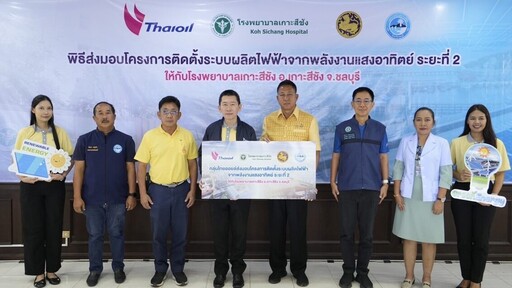
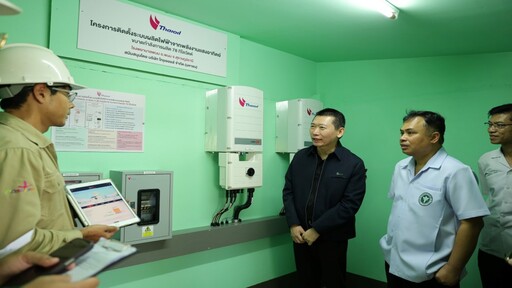
In 2025, solar power generation systems were installed at 1 hospital in Surat Thani Province, as well as at 2 sub-district health promotion hospitals and four Border Patrol Police schools in Tak Province, with a total capacity of 122.1 kW. The implementation of this project resulted in annual savings of 1.3 million THB. The savings from reduced electricity costs were used to purchase medical equipment and creating educational opportunities for schools in remote areas. Additionally, this project was also able to reduce greenhouse gas emissions, which equal 83 tons of carbon dioxide per year.

Project for mitigating the oil spill impacts

Objective

To restore marine and coastal natural resources, as well as to enhance biodiversity.

Background

In response to the crude oil spill incident at the Single Buoy Mooring (SBM-2), the Company has taken proactive measures to mitigate impacts on affected stakeholders. This includes providing relief to those affected, as well as rehabilitating marine natural resources, biodiversity, and the local economy within the impacted areas.

Approach

1.Conducting systematic measurements and continuous monitoring of marine environmental quality parameters.
2. Establishing a dedicated task force to develop and implement a robust rehabilitation plan for marine and coastal ecosystems as well as marine life and biodiversity in all affected areas.

Performance 2025

Following the crude oil spill during a transfer operation at the Company’s Single Buoy Mooring (SBM-2) on September 3, 2023, and upon the full completion of compensation for affected parties, a task force was appointed. This task force was tasked with developing a restoration plan and scope for natural resources, marine and coastal ecosystems, and biodiversity in the impacted areas. The process involved gathering input from academics, government agencies, affected stakeholders, independent organizations, and various NGOs, while coordinating closely with relevant public agencies. This resulted in the presentation of a 3-year Environmental, Marine Ecosystem, Economic, and Social Promotion (Restoration) Plan, comprising a total of 20 projects, 18 of which have already been implemented.

Laem Chabang Youth Training for Jump Rope Championship Project

Objectives

1. To encourage youth to engage in physical exercise, enhancing their bone mass, muscle strength, and reducing the risks of heart disease for improved physical health
2. Encourage youth to exercise with jumping rope for using free time beneficially

Background

Thaioil Group has initiated the “Laem Chabang Youth Training for Jump Rope Championship Project” in collaboration with the Heart Foundation of Thailand Office under the Royal Patronage since 2011. This project aims to support and encourage physical activity among youth from 8 schools within Laem Chabang City Municipality. Furthermore, the project has contributed to the schools’ and the municipality’s reputation through participation in the Royal Trophy competitions organized by the Jump Rope Association of Thailand.

Approach:

1.Organize a meeting with the school director and physical education teachers from the 8 schools surrounding the refinery in Laem Chabang City Municipality, including Wat Mai Noen Phayom school, Wat Manorom school, Wat Laemchabang School, Baanchakyaichin school, Laemchabang 1 Municipality school, Laemchabang 2 Municipality school, Wat Ban Na (Fin Witthayakom), and Boonjitwitthaya School.
2.Plan the project and propose its budget for approval.
3.Conduct a training camp to develop the skills and potential of jump rope athletes, aiming to select participants for the national-level Royal Trophy competition.
4.Foster new youth athletes to participate in jump rope competitions with the purpose of enhancing the reputation of Laem Chabang City Municipality.

Performance 2025

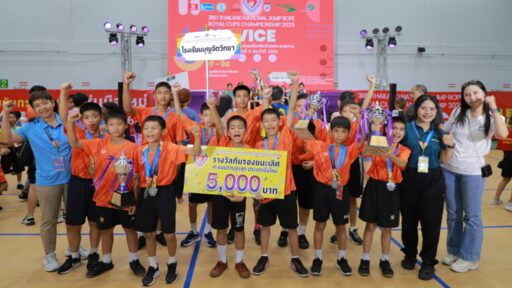
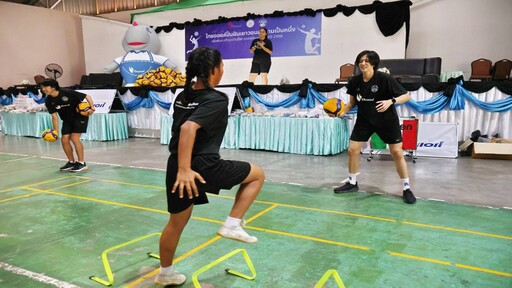
1. The Company hosted the 1st “Thaioil NexGen Jump Rope Tournament 2025” from February 24–28, 2025, under the theme “Developing New Athletes into Rope Skipping Champions.” This tournament aimed to identify and prepare promising new talent for the 2025 Royal Trophy Jump Rope Competition (Newcomer Category).
2. Supported athletes to participate in the 3rd Jump Rope Championship competition for the Newcomer category on 7-8 June 2025, at the Prachaniwet Sport Center, Bangkok. As a result, they won a total of 14 gold medals, 12 silver medals, and 11 bronze medals. Additionally, Boonjitwitthaya School also won 3 royal trophies of Her Royal Highness Princess Maha Chakri Sirindhorn, while Wat Mai Noen Phayom School received one Royal Trophy, and both schools achieved the second-highest overall score.
3. Implemented the 2025 Skill Development for Jump Rope Champions Project to qualify and train athletes from eight participating schools, located near Thaioil, for national-level Royal Trophy competitions.
4. Supported over 60 local youth athletes to join the 16th Thailand’s National Jump Rope Competition on November 15-16, 2024, at the Nonthaburi Provincial Administrative Organization Gymnasium. Aimed at promoting physical health and encouraging productive use of free time among youth, the Company sponsored two teams: Thaioil Jump Rope and Thaioil New Wave. With over 60 youth participants, the teams successfully secured one Royal Trophy from Her Royal Highness Princess Maha Chakri Sirindhorn.
5. The Laem Chabang jump rope athletes were selected as national representatives to compete in several prestigious international tournaments, including the 9th Korea Open Rope Skipping Championship in South Korea, the UJR World Championship and World Cup 2025 in the People’s Republic of China, and the World Jump Rope Championships 2025 in Japan. Participation in these global stages represents a significant milestone in bringing pride and international recognition to both Thailand and the local communities surrounding the refinery.

The Responses to COVID-19 Pandemic Situation

  • Implemented the COVID-19 surveillance plan covering 3 phases. In Phase 0, or no infected cases, the prevention and surveillance measure will be emphasized. Phase 1 begins when there are suspected or infected cases in Thaioil Group but no impacts on business operations. The Company will then focus on controlling and limiting the spread of the virus. Phase 2 refers to the large number of infected cases in Thaioil Group and creating impacts on business operations. In this case, Thaioil Group will focus on relieving and recovering while the Emergency Control and Business Continuity Center will be activated.

Safety Knowledge Sharing and Engagement

  • Enhanced knowledge, capabilities, and skills of employees and contractors through a safety training center to provide knowledge on safety theory and practice. the Company also evaluated the capability of the employees and contractors, who performed safety-related tasks, and had a continuous Permit to Work System from the previous year. Meanwhile, the roles in emergency and crisis management were also assessed through the Competency Assurance System.
  • Upgraded safety culture in the workplace through Behavior Based Safety (BBS) training program. The BBS training course was designed to train the targeted employees (Train for the Trainers) in order to disseminate knowledge and act as role models for the other employees and contractors. Consequently, safety behavior will be observed, and the operation will be halted, particularly when unsafe conditions arise.
  • Provided training on the Permit to Work System and Clearance Certificate Signatory for those who are involved in performing duties in the work permit system.
  • Organized the “30-60-90 Days with No Harm, No Leak” to strongly emphasize and simulate employees and contractors, raising awareness of safety in the workplace. The goal is to achieve zero Medical Treatment Case (MTC).
  • Organized Thaioil Group QSHE Day 2023 to promote the safety culture for the employees and contractors by awarding and certifying those who have outstanding 2023 QSHE performance. The Company also organized exhibition booths to provide employees and contractors with safety knowledge and awareness.
  • Incorporated Line of Fire into the 12 Life Saving Rule in accordance with the International Association of Oil & Gas Producers (IOGP) guideline.
  • Raised awareness of potential hazards, such as the line of fire, and strictly ensured compliance with the 12 life-saving rules. The Company also encouraged workers to submit Potential Incident Report (PIR), emphasizing the significance of unsafe act and condition as specified in the pre-incident prevention measure.
  • Developed a Contractor Training Matrix to ensure that contractors, who perform the work in operational areas of Thaioil Group, have the suitable knowledge and skills relevant to their job positions.
  • Conducted training and knowledge sharing on safety, occupational health, and workplace environment for new employees and contractors. This aims to build awareness of basic risks and hazards in Thaioil Group’s operational areas, to recognize and understand the safety measures, and to mitigate risks in operations. The training courses include basic safety in refinery, basic firefighting, safety in confined space, and first aid.
  • Conducted specific safety knowledge training for employees and contractors to improve operational effectiveness, ensure safety, and comply with safety requirements. For instance, Authorized Engineer/Authorized Gas Safety Inspector (AE/AGSI) course, Clearance Certificate Signatory course, Authorized Gas Tester course, and electricity safety course.
  • Thaioil Group consistently prioritizes on a proactive strategy. The Company elevated the Management Walk and Talk activity to GEMBA Walk. The management executives conducted a site visit to inspect key activities by engaging in conversations with specific questions. This aims to create mutual understandings and to recommend safety practices in the activities that may pose risks on personal and process safety. The QSHE Rollout activity has been consistently organized with a focus on providing more accessibility. In addition, the campaign to raise awareness about quality, security, safety, and the environment for workers in all operational areas has been expanded to include all operational areas and encourage worker engagement. Moreover, Thaioil Group has applied appropriate management systems to achieve the sustainable development. The performance of such activities is regularly reported and discussed with the management executives for resolutions. Likewise, the annual management review is performed to determine improvement areas and develop annual plans, along with the regular communication with the employees to ensure effective and impactful practices.

Safety Management Improvements

  • Reviewed Permit to Work System, especially the work permits related to heat and ignition (Hot Work). Additionally, all relevant checklists were reviewed to ensure alignment with international best practices.
  • Conducted safety maturity assessment. In 2023, the Company scored 4.16 out of a total of 5.00 points. Thaioil Group prepared the Safety Culture Development Plan in 2023 to build awareness for employees and contractors towards an accident-free organization.
  • Reviewed Permit to Work Inspection by the Area Operation Officers and Safety Audit team to ensure that the practices are aligned with the requirements specified in the permits.
  • Conducted the evaluation of Health Performance Indicators based on the standards of International Association of Oil and Gas Producers (IOGP). In 2023, the Company scored 3.85 out of a total of 4.00 points. The Company commits to improve the development plan for management systems in line with criteria and requirements of the IOGP.
  • Enhanced contractor safety management to align with international best practices and conducted annual contractor safety performance evaluation by the third party. The evaluation covered safety management system and operational performance to evaluate the contractor. The contractor can be categorized by a color code, including green, yellow, and red. This code serves as the criteria for deciding whether the Company should continue doing business with contractors or not. In the case that the contractors categorized in the low level (yellow and red), the Company will allow them to present corrective action plan to remedy the identified issues to comply with requirements within a specific timeframe. In 2023, the Company has updated the “Contract SSHE Bidding and Close Out Evaluation”.
  • Reviewed safety practices for activities or tasks with accident risks, such as heavy lifting with crane, scaffolding, or electric device utilizing within the refinery area. Additionally, the Company conducted training and communicated to relevant employees and contractors to ensure compliance with the requirements.
  • Upgraded notification systems on abnormal or emergency situations for emergency personnel and relevant officers through SMS systems that will promptly notify relevant parties to provide the emergency response efficiently and on a timely manner.
  • Upgraded notification protocols for extreme weather, specifically thunderstorms within a 5-kilometer radius. This is to alert employees to prepare and implement specified safety measures. It also involves notifying emergency response teams for a prompt response in the event of a fire, particularly around the rim seal fire.
  • Reviewed Pre-Incident Plan at levels 1 and 2 to align with international situations and standards, conducted drills as planned to prepare an effective response in emergency situations. In 2023, the Company developed the pre-incident plan at level 2 to support the new production unit of CFP project.
  • Reviewed Emergency and Crisis Management Manual and prepared the emergency response plan to cover environmental and community emergencies. This aims to prepare for CFP project, which is expected to undergo commissioning and start-up in the future. 
Occupational Health and Safety Risk Assessment

  • Reviewed the identification and assessment of risks and hazards assessment that may cause major incidents. The Company identified the control and preventive measures, with constant monitoring for effectiveness. This also involved safety inspections, performance analysis, and provision of the corrective and preventive actions to avoid recurrence for employees and contractors. The safety performance was reviewed monthly and monitored by the management executives.
  • Assessed risks and hazards assessment with high severity and reviewed safety control and preventive measures. The proactive plans and measures on safety and security were established at different levels (defense in depth), covering all high severity risks and hazards, especially chemical spills. The emergency drill of each emergency level was conducted and further developed towards the crisis management level together with external parties and local governments. This process helps prevent and mitigate business impacts, ensuring that Thaioil Group can consistently manage and maintain severe risks at acceptable levels.
  • Reviewed major accident event profiles to be aligned with the risks. The Company also reviewed and conducted emergency and crisis drills, as well as the emergency response plan, according to international best practices. Moreover, the improvements were made to the Emergency Control Center to ensure it is up-to-date and more efficient.
  • Reviewed accident and incident management practices to cover every incident type, such work-related injuries, occupational illnesses, near-miss events, and other incidents including incidents in production processes. The Company also conducted severity and risk assessment through the Risk Assessment Matrix to select the appropriate investigating team and method based on the incident’s severity and risk level. To avoid recurrence, the root cause and appropriate preventative measures were implemented.

Operational Excellence to Business Excellence (O2Bx) Strategy

  • Adjusted the O2Bx strategy to become a world-class refinery and reviewed the corporate safety targets to align with the new strategy – No Harm, No Leak, Goal Zero.
  • Revisited the 5-year Occupational Health, Safety, Emergency and Crisis Management Plan to align with the internal and external environment, risks, the new strategic plans, and new corporate targets.
  • Assigned the management executives to present case studies and significant safety issues from both internal and external sources at the monthly Board Meeting to continuously develop and improve Company’s safety measures.
  • Organized an on-site visit with the CEO and President and the management executives during normal operations, maintenance downtime, and construction period to encourage the workers, demonstrate commitments on safe working conditions, and be the safety role model.

SMILE Activity

Working with the right to health

Thaioil Group has managed and prevented the COVID-19 pandemic through continuous healthcare measures for employees until they recover and safely enable a return to work. The Company’s measures and policies are aligned with the government guidelines. Additionally, the Company has ensured high efficiency in providing safety and instilling confidence among employees, contractors, business partners, and stakeholders of Thaioil Group. The Work From Home Policy has also been established to grant the employee’s rights to choose their most suitable work lifestyle.

Furthermore, the Company has developed the “People First for Employee Support Policy” to respond to the employees’ needs. Meanwhile, the Company provides the assistances to the employees and their families, as well as members of the Thaioil Group Retired Employee Club, who may face the challenges in respect to financial concerns, legal issues, physical health, mental health, alcohol and drug problems, marital problems, illness of family members, or childcare problems, etc. The support was provided in the form of benefits, welfare, or non-welfare. This program aids eligible individuals 24 hours a day, seven day a week.

Improving mental health care

Improving mental health care: The Company implemented the “5 Happiness Project” to enhance the New Normal Work Life and to enhance understanding of their own rights, including employee care and benefits for employees and retired employees. The key projects in “5 Happiness Project” are:

Ensuring education for all

Ensuring education for all: The Company provided knowledge and awareness on human rights for employees through the Human Rights E-Learning course in the “Thaioil Academy Application.” For other stakeholders, the Company consistently organized workshops and activities to enhance the understanding and knowledge of human rights, for example, the human rights lecture in Supplier Seminar 2023 at the Thaioil Conference Hall in Sriracha, Chonburi. Also, The Company raises awareness of human rights through the acknowledgment of the Thaioil Group’s Supplier Code of Conduct.

Collaborated with PTT Group to organize the PTT Group CG Day 2023 under the theme “Good to Great: CG Empowering for the Future”

Collaborated with PTT Group to organize the PTT Group CG Day 2023 under the theme “Good to Great: CG Empowering for the Future”. The event was held in a hybrid event to promote and empower the good corporate governance practices of the PTT Group, emphasizing employees at all levels within the PTT Group to comply with the principles of good corporate governance in their work. The event attendees included the Board of Directors, management, employees, and business partner representatives. In addition, regulatory bod representatives, such as from the National Anti-Corruption Commission (NACC), were also invited. The event attracted over 400 attendees, including partners, clients, and employees who were joined the live streaming on the event’s website.

Conducted the 2023 GRC Culture Survey

Conducted the 2023 GRC Culture Survey to assess the organizational culture in terms of integration of good corporate governance, risk management, internal control, and the compliance with laws, regulations, and requirements (GRC). The survey results will be analysed to develop plans for promoting and enhancing corporate governance effectiveness in the future.
Communicated the principles of good corporate governance

Communicated the principles of good corporate governance, business ethics, and anti-corruption through internal communication channels throughout the year, such as the GRC Corner column in the Akanee magazine (a corporate internal magazine) and the GRC Newsletter, with a total of 12 times.

Communicated the No Gift Policy

Communicated the No Gift Policy to all employees through internal communication channels in various forms, such as video clips and E-newsletters. The “Request letter to prevent giving gifts to executives and employees of Thaioil Group” was sent to the suppliers, customers, financial institutions, and other business partners to avoid and prevent any cause that may lead to actions that violate Anti-Fraud Policy.

Improved electronic learning media (E-learning)

Improved electronic learning media (E-learning), including CG Orientation E-learning for new employees, covering the principles of good corporate governance, ethical business conduct, and anti-corruption. Also, Anti-Fraud E-learning for current employees was improved to provide knowledge on the origins of fraud and preventive measures to avoid fraud within the Company.

Conducted activities to provide knowledge

Conducted activities to provide knowledge and promote transparent and fair work practices throughout the year of 2023. For instance, the Company organized the Compliance & CG Talk activity on the topic of Anti-Money Laundering and Countering the Financing of Terrorism, lectured by experienced legal professionals from the Anti-Money Laundering Office. The Law Focus activity was organized with the topic of Anti-Money Laundering and Combating the Financing of Terrorism, lectured by executives from the Export-Import Bank of Thailand (EXIM Bank). The GRC in Action event was held at the CEO Townhall during the 2nd and 4th quarters. The Good to Great CG Contest was organized to share the working approach that can promote CG practices in their own way.
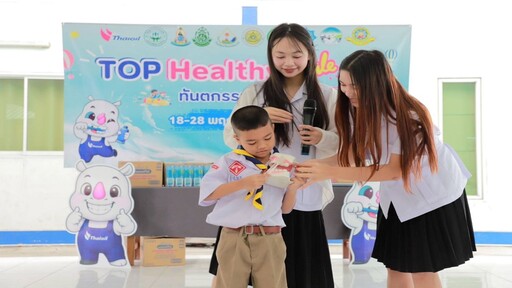
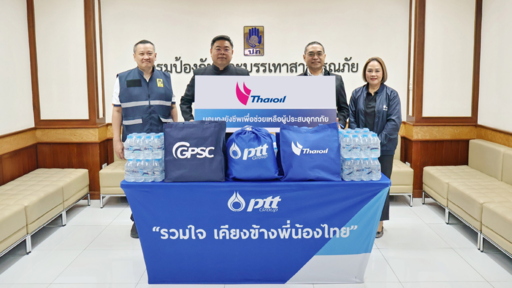
SAP ECC

Thaioil Group upgraded the software and hardware of the current Enterprise Resource Planning (ERP) system, or called SAP ECC, to ensure its function remained efficient. This upgrade is a part of the preparedness before transitioning to the ERP system to SAP S/4 HANA in 2027.

Prominence Enhancement

Thaioil Group enhanced a data collection system for the sale of products. The system gathers information from different perspectives, such as types of suppliers, prices, sale volume, sale periods, and payment methods. These data will be used to analyze pricing structure and support the decision-making in the sale approaches for each supplier. This will increase the chances for the Company to generate higher profits in different and fluctuating markets. 

Predictive Maintenance Analytics

Thaioil Group developed a data processing system to maintain the key machinery and equipment in the production process. The process will predict the likelihood of damage to the machines and provide prevention in advance. This helps avoid unplanned shutdowns and maintenance while reducing the risks associated with such damages.  

JSKem Pte Ltd & TOPNEXT India Private Limited

JSKem Pte Ltd & TOPNEXT India Private Limited

www.jskem.com.sg 

TOPNEXT acquired a 60% stake in JSKEM to expand its business in the distribution of solvents and chemicals in Singapore and India. TOPNEXT India Private Limited (TX India) was established in 2021.

PT. Tirta Surya Raya

PT. Tirta Surya Raya

TOPNEXT (TX) has acquired a 67% stake in PT. Tirta Surya Raya, which was established in 2019 as a distributor of solvents and chemicals in Indonesia. The company is headquartered in Tangerang, Indonesia.

TOP Solvent Myanmar

TOP Solvent Myanmar

In 2017, TOP Solvent Myanmar  (TSMM) established a representative office in Myanmar under the name TOP Solvent Company Limited (Myanmar Representative Office). This office serves as the company’s representative for liaising with customers and business partners to distribute petroleum and chemical products, as well as other petroleum-related products.

TOP Solvent (Vietnam) Limited Liability

TOP Solvent (Vietnam) Limited Liability

TOP Solvent (Vietnam) Limited (TSV) was founded on November 2, 2009, TOP Solvent (Vietnam) is 100 percent owned by TOPNEXT International Co., Ltd. and marks Thaioil’s first overseas investment. The company provides a diverse range of solvents and chemicals for industries including paint, coatings, thinners, adhesives, binders, electronic printing inks, cleaning agents, vegetable oil extraction, and the chemical industry. It operates warehouses in the Go Dau Industrial Zone in Dong Nai Province (southern Vietnam) and Hai Phong (northern Vietnam).

Sak Chaisidhi Company Limited

Sak Chaisidhi Company Limited

Sak Chaisidhi Company Limited (SAKC) is primarily owned by TOPNEXT International Co., Ltd., which is located in the Map Ta Phut Industrial Estate in Rayong Province. The company specializes in manufacturing high-quality hydrocarbon solvents for a range of industries, including paint, automotive rubber, adhesives, vegetable oils, foam, plastics, and copper mining.