Environmental
Impact Management
Challenges, Risks,
and Impacts
Thaioil Group conducts a comprehensive annual review of the environmental risks and impacts on an annual basis. In 2025, the Company addressed key challenges including air quality management, particularly regarding the Clean Air Act, which establishes mechanisms for controlling air pollution across all dimensions and implements spatial mitigation measures specifically for the air quality issues. This includes preparations for pending legislation and regulations on Volatile Organic Compounds (VOCs). Furthermore,
the Company remains committed to environmental compliance, the circular economy, national drought preparedness, and the preservation of biodiversity within its operating areas. Another critical priority for Thaioil Group is minimizing the impact of its operations on surrounding communities. To effectively manage this risk, the Group has elevated its standards for construction project management and production process controls to ensure the well-being of local residents through the continuous integration of Environmental, Social, and Governance (ESG) frameworks. Thaioil Group has refined its work processes and standard operating procedures (SOPs) to reduce environmental impacts on communities and stakeholders. This commitment covers all construction projects and the maintenance of normal production conditions. Additionally, the Company prioritizes rigorous compliance monitoring and maintains a constant state of emergency preparedness to address any potential environmental incidents.
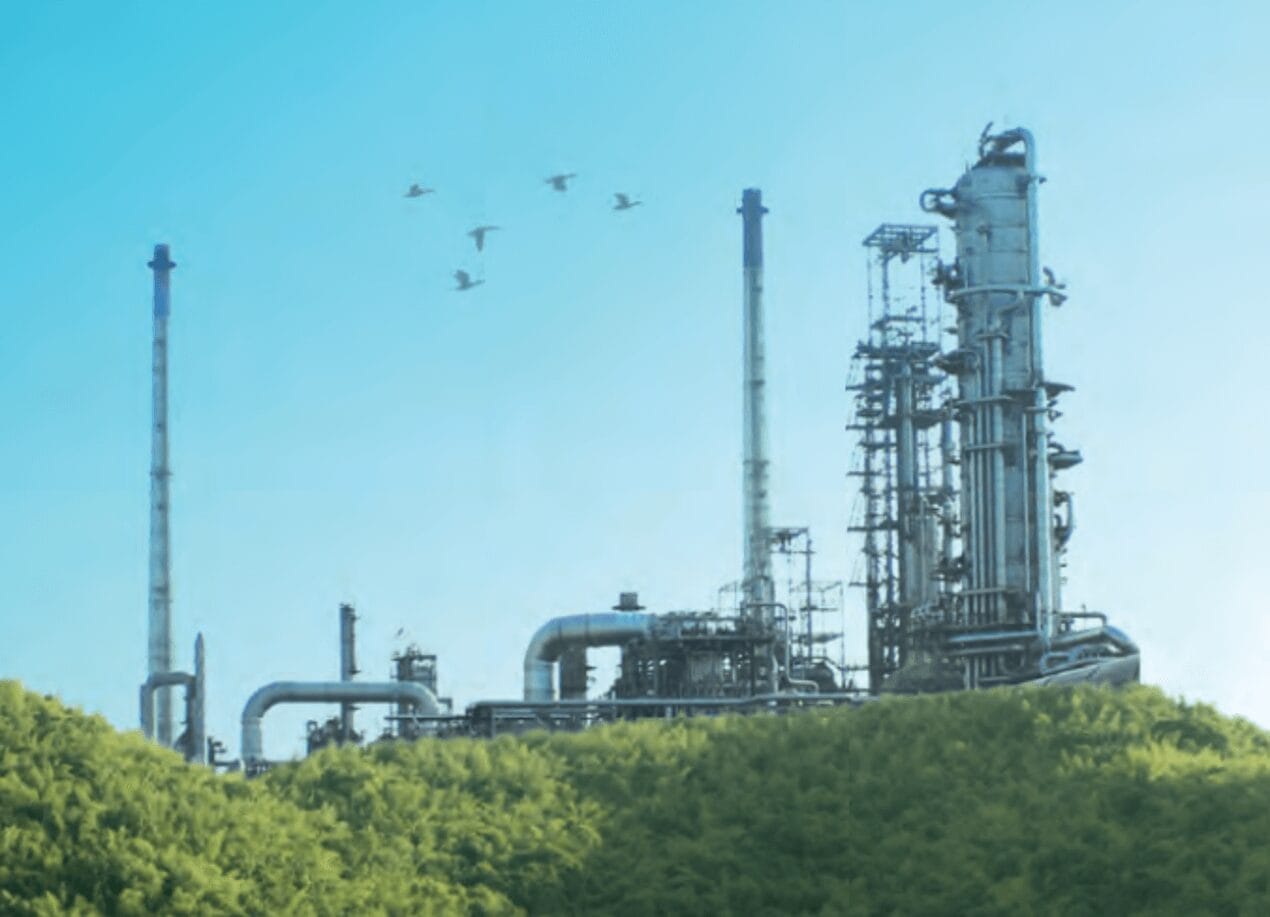

Thaioil Group prioritizes and is committed to elevating its environmental management in alignment with global trends and directions. The Group strives to be a business that grows alongside environmental stewardship, minimizing impacts while creating long-term business opportunities in harmony with the community. According to its Sustainability (ESG) framework, these principles are embedded at the policy level.
The Group applies nationally and internationally recognized environmental management systems to govern and enhance its management frameworks and environmental master plans. Since 2023, Thaioil Group has enhanced its commitment through the Thaioil Group Quality, Security, Safety, Occupational Health, Environment, and Energy Management Policy (QSHE Policy). This policy was formally reviewed and signed by the Board of Directors to drive continuous maximum management efficiency across all operations.
Targets

Number of community complaints on environmental impact
Targets 2025
0
Case
Long-term targets 2030
0
Case

VOS (Voice of Stakeholder) Response
Targets 2025
100
Percentage
Long-term targets 2030
100
Percentage
Complaints on environmental incidents
Targets 2025
0
Case
Long-term targets 2030
0
Case

Non-compliance with relevant environmental laws and regulations
Targets 2025
0
Case
Long-term targets 2030
0
Case

Major Non-compliance with ISO 14001: 2015
Targets 2025
0
Case
Long-term targets 2030
0
Case

Major non-compliance with ISO 14001: 2015 standard
Targets 2025
100
Percentage
Long-term targets 2030
100
Percentage

Significant oil and chemical spills into the environment
Targets 2025
0
Case of Significant Spill
Long-term targets 2030
0
Case of Significant Spill
Management Approach
and Performance
Environmental Management
Thaioil has defined the roles and responsibilities for implementing Quality, Security, Safety, Health, Environment, Energy Management (QSHE policy), with the goal of efficient resource management and continuous improvement. The Roles and Responsibilities extend to executives and employees at all level, including
(1) Chief Executive Officer and President
- Determine roles, responsibilities, and duties of all operation levels throughout the organization in relation to the Company environmental management system.
- Appoint an acting representative(s) according to appropriate chain of command and communicate this appointment to relevant employees and entities to ensure that operations adhere to Continuous Management System requirements.
- Ensure that all management system manuals and work procedures are properly documented and communicated to employees. This can be achieved through lines of supervisors and training. In this case, once this is done, the documents much be stored in the central database of Thaioil Group, where they can be easily accessed by all employees.
- Appoint Manager of Quality System to be a representative for QSHE Management Representative (QSHE-MR) according to the organizational structure and responsible for:
- Develop, utilize and maintain management system and document.
- Encourage all relevant personnel to be aware of the needs and expectations of all stakeholders. This includes understanding and complying with all legal and other requirements related to the QSHE management system.
- Report on the performance of QSHE management system to management team for review and recommendation for improvement.
(2) All management levels and Department managers
- Clearly identify the roles and responsibilities of those involved in QSHE management system to ensure that processes meet objectives and targets and respond to needs and expectations of all stakeholders.
- Sufficiently allocate resources, such as human capital, skills, facilities and technology, to prepare and maintain the management system.
- Provide clear directions and communicate to employees and contractors at all levels to understand and strictly adhere to the QSHE policy.
(3) Employees and contractors
- Employees and contractors at all levels comprehend and strictly comply with the QSHE policy in order to efficiently achieve the goals and objectives.
Management Approach
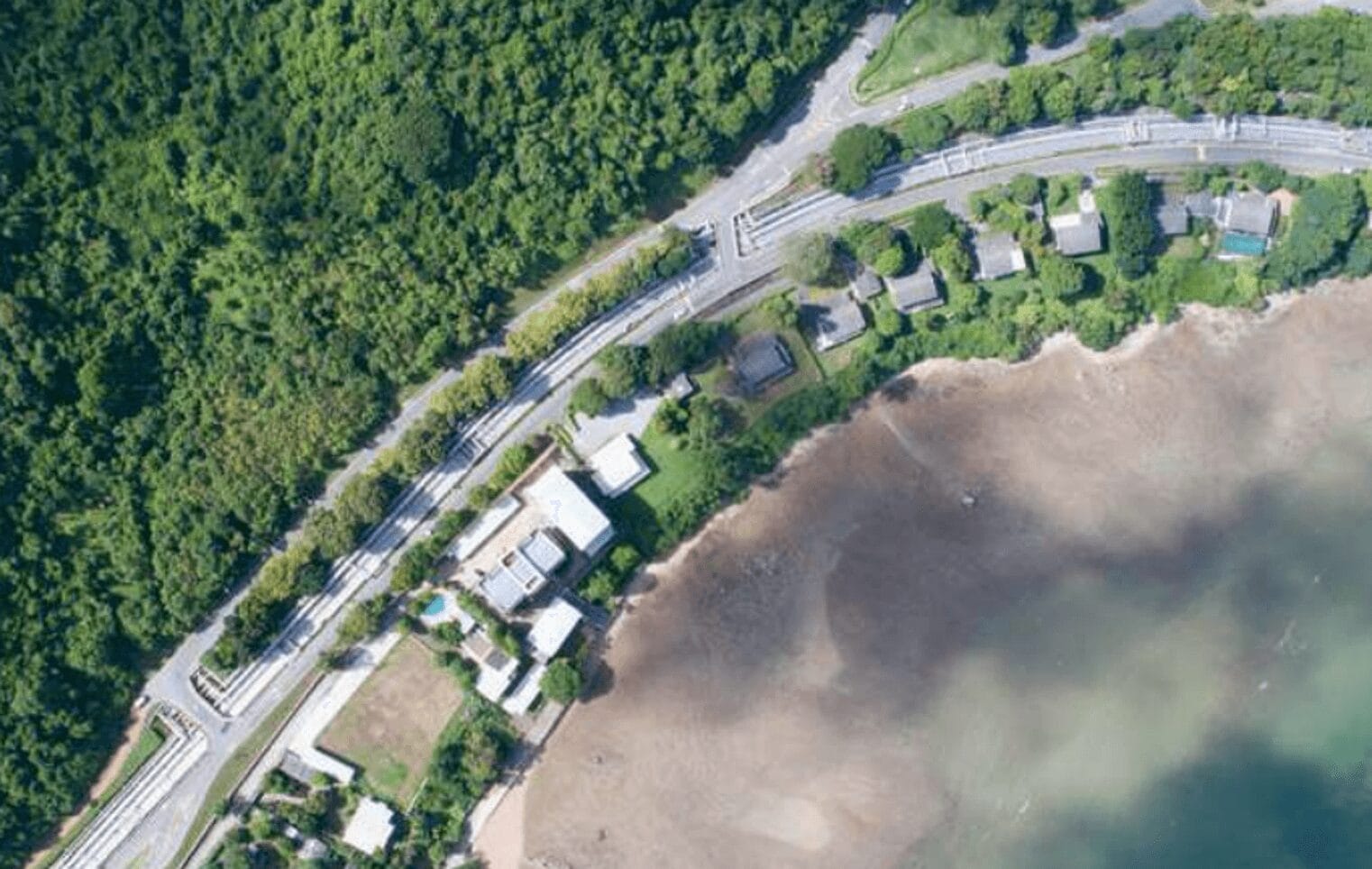
Thaioil Group is committed to fulfilling its responsibilities across three key areas, namely Environment, Social, and Governance (ESG). The Company has adopted the principles of a circular economy to drive business growth. A comprehensive environmental strategy and master plan have been developed to guide short, medium, and long-term initiatives, ensuring environmentally conscious operations and minimizing environmental impacts throughout the production chain towards sustainable business growth.
Long-term Strategy
Thaioil Group is committed to promoting business growth while maintaining environmental consciousness and creating long-term business opportunities. This commitment comprises two key strategies, namely the Net Zero GHG Emissions strategy and the Circular Economy strategy, both of which are supported by a well-defined governance structure.
Short to Medium-term Strategy
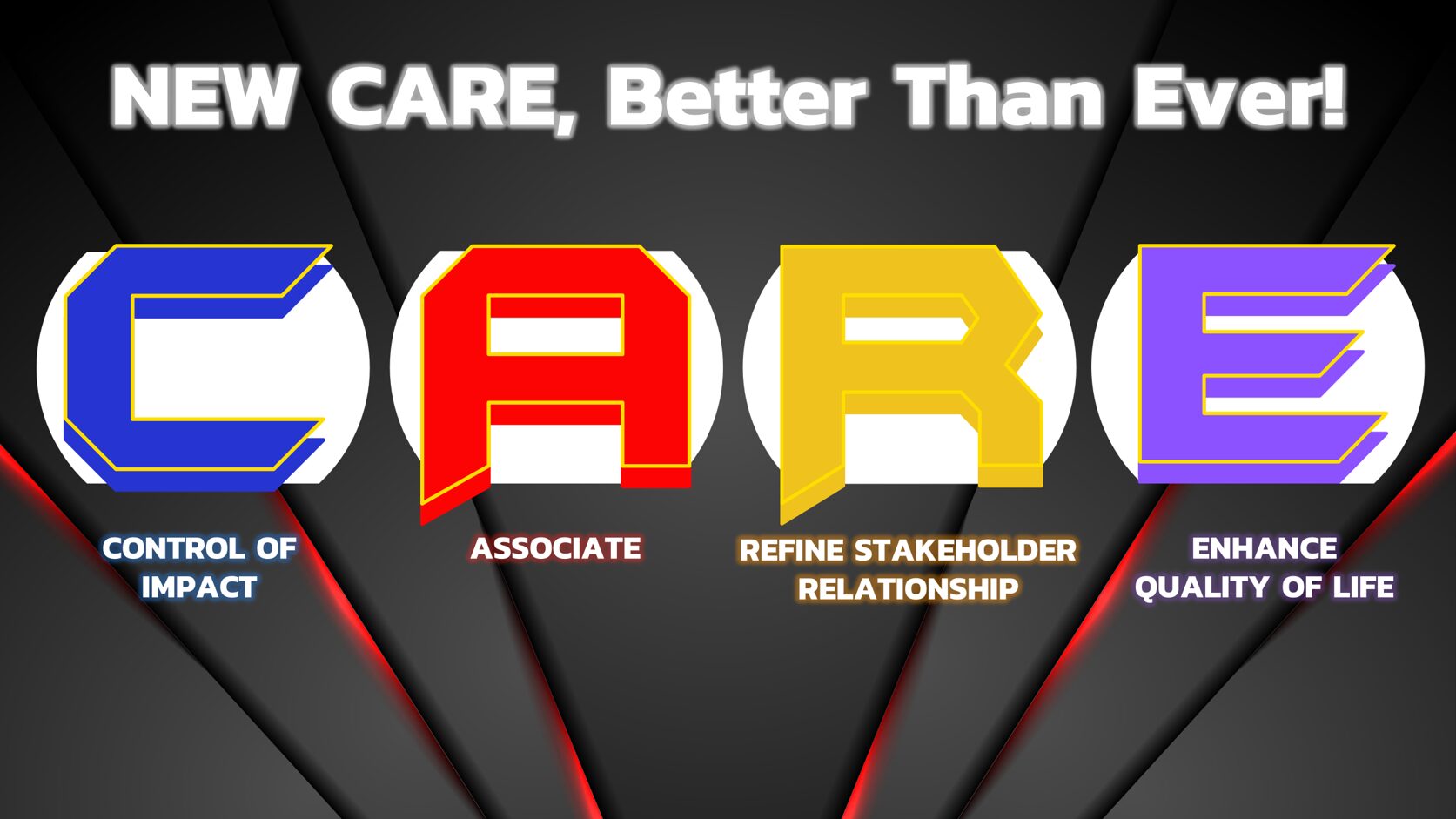
Thaioil Group is committed to minimizing environmental impacts at their sources and promoting ESG practices that are resilient to changes and aligned with global trends and the long-term business strategy. The Company has aligned the strategic management plan towards O2Bx (Operation Excellence to Business Excellence). In addition, the “Refinery in The City” model has been adopted in the management approach in pursuit of business excellence, focusing on three main areas on environmental management, social management, and governance compliance. To efficiently achieve these business excellences, Thaioil Group has implemented a management approach known as the “CARE Concept”, which is outlined as
CARE Concept
C
C – Control Right
Controlling environmental impacts and maintaining compliance with the regulatory requirements. The environmental management has been elevated through Permit to Work-Job Safety Environmental Analysis (JSEA) to prevent and minimize potential impacts on communities that may be affected by the Company’s production activities. Furthermore, the Company has implemented environmental management during major maintenance periods, or Major Turnarounds (MTA), through its ‘Green MTA’ approach. In preparation for the Resuming Clean Fuel Project (CFP) Construction phase, the Group prioritizes grievance readiness as a key objective. This includes the adoption of a new Voice of Stakeholder (VOS) process to maintain the trust and confidence of surrounding communities through proactive community engagement.
A
A– Associate
Enhancing and building a robust network through raising awareness, engaging in communication with stakeholders, and building trust in Thaioil Group’s ability to prevent and mitigate the impacts of business operations. This is outlined in the Company’s Sustainability Management Policy and Corporate Social Responsibility Policy. This aims to enhance the quality of life for communities and society, contributing to sustainable growth.
R
R – Refine Stakeholder Relationship
Building confidence among communities and stakeholders through active executive participation in community activities. Senior management prioritizes close field engagement to listen to concerns firsthand and ensure continuous, rapid communication regarding the Company’s operations. Furthermore, the Company strengthens its strategic communication and collaboration with the media to enhance public trust.
E
E– Enhance Quality of Life
Creating value to society through the “Partner for Life CSR” concept to instill volunteerism and corporate social responsibility among employees. Furthermore, the Company promotes a “Volunteer Culture” and encourages employees to design initiatives for communities towards “Share Value with Society”.
Becoming The Partner
For Life Through
A Trusted Partner for Life
Thaioil Group operates business with transparency and fairness, prioritizing the appropriate return of benefits to all groups of stakeholders, as well as emphasizing environmental protection and community well-being. To achieve this goal, the Company implements a comprehensive environmental management plan that considers both internal and external environmental factors (Environmental Outlook) to align with the needs and expectations of the stakeholders. This involves communities, government agencies, executives, and employees who have expertise in environmental topics, as well as environmental regulations, laws, and global megatrends, etc. All factors are analyzed to identify business opportunities and enhance a five-year environmental plan referred to as the “5 Years Environmental Master Plan”. This plan is used as the key framework to drive sustainability in environmental management and ensure effective environmental management to achieve the environmental targets.
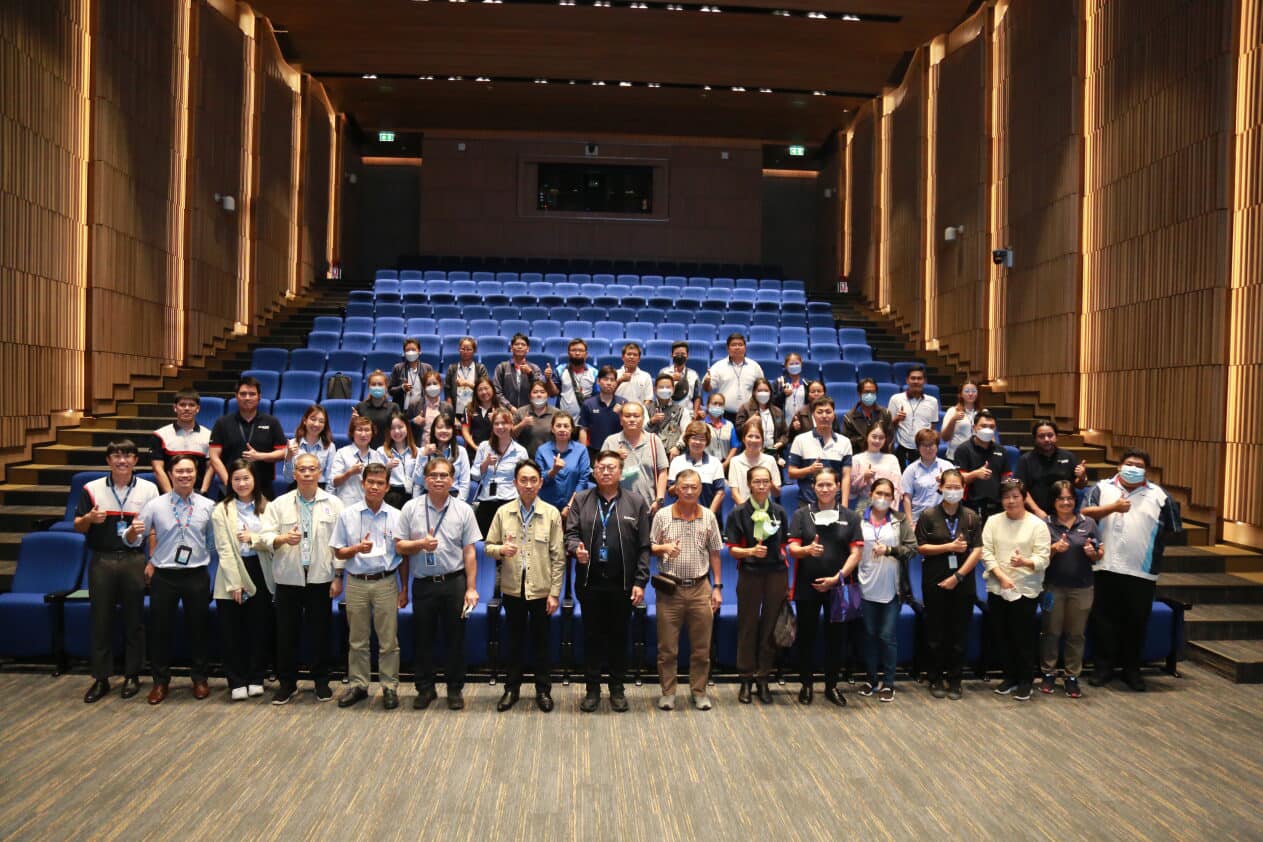
Thaioil Group enhances employees’ knowledge on environmental management in alignment with sustainability and environmental policies and practices. For instance, the Company organized training sessions on carbon taxes, Net Zero GHG Emissions, Carbon Footprint Organization and Carbon Footprint Products. In addition, statutory training was also conducted for environmental managers and practitioners in pollution treatment systems, which was attended by 113 attendants. The Company is committed to providing training on an annual basis to enhance employees’ knowledge of environmental management for continuous efficiency.
Furthermore, Thaioil Group governs and develops environmental management systems according to accepted standards at the national and international levels. For example, ISO 14001 (the standard on environmental management excellence) and evidence of the Company’s environmental management system (EMS) audits (ISO 14001) for all operating locations is available on the Company’s website https://www.thaioilgroup.com/en/about/management-system/ , ISO 26000 (the standard on corporate social responsibility) under the CSR-DIW project, PTT Group’s Operational Excellence Management System (OEMS), the best practices in biodiversity management, the Global Reporting Initiative (GRI), and the best practices identified from the Dow Jones Sustainability Indices (DJSI) assessment. To improve and develop environmental management systems, these standards are adopted in risk assessments, environmental prevention and mitigation measures, operational controls, monitoring, inspection, and reporting processes, as well as the execution of the proactive and reactive environmental indicators. The Company has also improved and developed the environmental management system throughout the production process to end products across the value chain, covering operations in various conditions as follows:
Thaioil Group reviews risks, environmental issues, and preventive measures to mitigate environmental impacts at the sources on an annual basis or when significant changes occur. Moreover, the Company has been steadily enhancing production efficiency in accordance with the Environmental Master Plan, which serves as the operational framework and comprises the following topics:
- Governance
- Environmental Technical Procedures
- Climate Strategy
- Water Resource Management
- Eco-efficiency
- Biodiversity
- Supplier and Contractor Program
- Environmental Audit
- Management Information Solutions
For the refinery unit expansion project, Thaioil Group applies the environmental standard specifications, which encompasses the requirements, laws, best practices, and fair stakeholder perspectives, based on the environmental principles. This aims to establish the operating framework for the Green Construction Project. The framework remains continuously responsive to the requirements and expectations of relevant stakeholders.
Key Highlighted Projects
In 2025, Thaioil Group implemented additional projects as follows:
• The best practice principle has been applied to reduce emissions and minimize the loss of volatile organic compounds (VOCs) through continuous maintenance of production processes and tank maintenance.
• Thaioil Group manages environmental quality during Major Turnarounds (MTA) through the 'Green MTA' framework. This initiative focuses on stringent HC/Gas-free controls and comprehensive environmental risk assessments using Job Safety Environmental Analysis (JSEA). Key operational measures include the monitoring and control of black smoke from flares, as well as the systematic allocation of waste storage areas with a strictly defined 90-day disposal timeline. Additionally, the Group prioritizes grievance readiness to effectively address any community concerns during the MTA period.
• Thaioil Group has developed the 'Envi Centralize Portal.' This digital system enables real-time tracking and control of environmental quality parameters, including air quality, effluent water quality, waste management, and raw water situations.
The best practice principle has been applied to reduce emissions and minimize the loss of volatile organic compounds (VOCs)
Abnormal Operating Conditions
Thaioil Group has established the Environment and Community Relation Committee (ECRC). The Company has worked in partnership with the government agencies, academies, and communities surrounding the production area to improve environmental management and mitigate impacts on all stakeholders. The Company has adopted a collaborative approach, adhering to the “3-synchronization model” and the “5-Together” conceptual framework, fostering a collaborative approach that emphasises joint efforts in thinking, working, correcting, learning, and developing together. This collaboration starts with establishing proactive guidelines and working together to resolve issues during abnormal operating conditions. Environmental performance is monitored and assessed 24 hours a day, seven days a week by the operational team. Furthermore, the ECRC also organizes activities and communication platforms to track and monitor environmental performance in compliance with the requirements, regulations, and operating targets. To ensure the least environmental impact on the surrounding communities, the ECRC organizes monthly meetings to address concerns and suggestions for further improvement. Additionally,
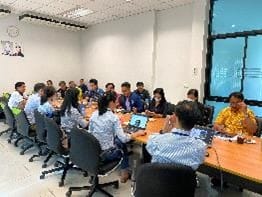
Meeting for the preparation of monitoring and recovery plan with government agencies

Environmental
Emergency Conditions
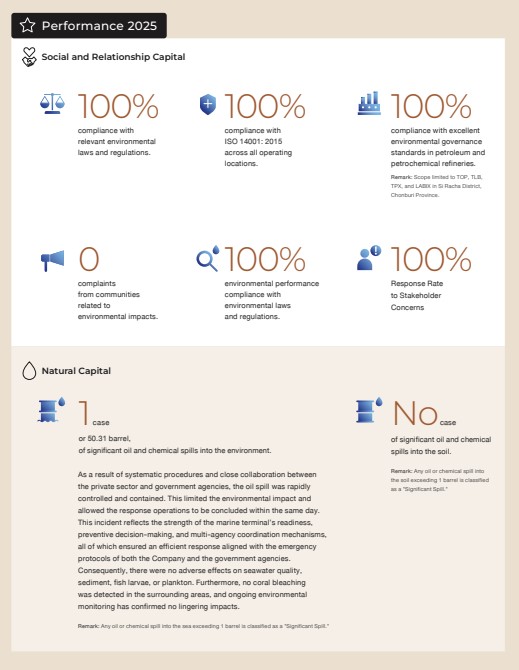
Thaioil Group identifies oil and chemical spill prevention as a critical operational priority. In 2025, one significant oil spill incident occurred due to a sudden and severe weather event (Squall) during crude oil discharge at Single Buoy Mooring 2 (SBM-2). The intense weather caused the mooring ropes to snap, triggering the Marine Breakaway Coupling to disconnect as designed. This safety mechanism prevented the floating hose from rupturing and protected the entire discharge system from extensive damage, though it resulted in a localized release of oil. Despite the operational and visibility challenges of nighttime conditions, the Group’s onboard captain and crew immediately contained the spill at the source using pre-deployed oil booms. Following initial containment and rapid situational assessment, the incident was promptly escalated to the Shift Manager. This triggered the activation of the corporate Marine Oil Spill Response Plan at an elevated level, including the pre-arranged mobilization of resources from neighboring refineries. Due to well-established standard operating procedures and seamless coordination, oil recovery equipment and support teams from nearby refineries were deployed instantly. Simultaneously, relevant government agencies—including the Marine Department, Thailand Maritime Enforcement Command Center Region 1 (Thai-MECC), the First Naval Area Command, and Chonburi Province—provided rapid oversight and operational support. This unified and systematic collaboration between the private sector and government authorities ensured the oil slick was efficiently controlled and recovered, minimizing environmental impact. Consequently, the oil recovery operation was successfully concluded by 5:00 PM on the same day.
Following the incident, comprehensive environmental monitoring revealed no adverse impacts on seawater quality, sediment, fish larvae, or phytoplankton and zooplankton. Furthermore, no coral bleaching was detected in the areas surrounding the incident site. Although this event resulted from a force majeure situation, Thaioil Group remains steadfast in learning from this accident. The Group is committed to enhancing its management systems to prevent future oil spills through the following measures:
Utilizing ships that have passed the safety standard assessment of the PTT Group Ship Vetting System.
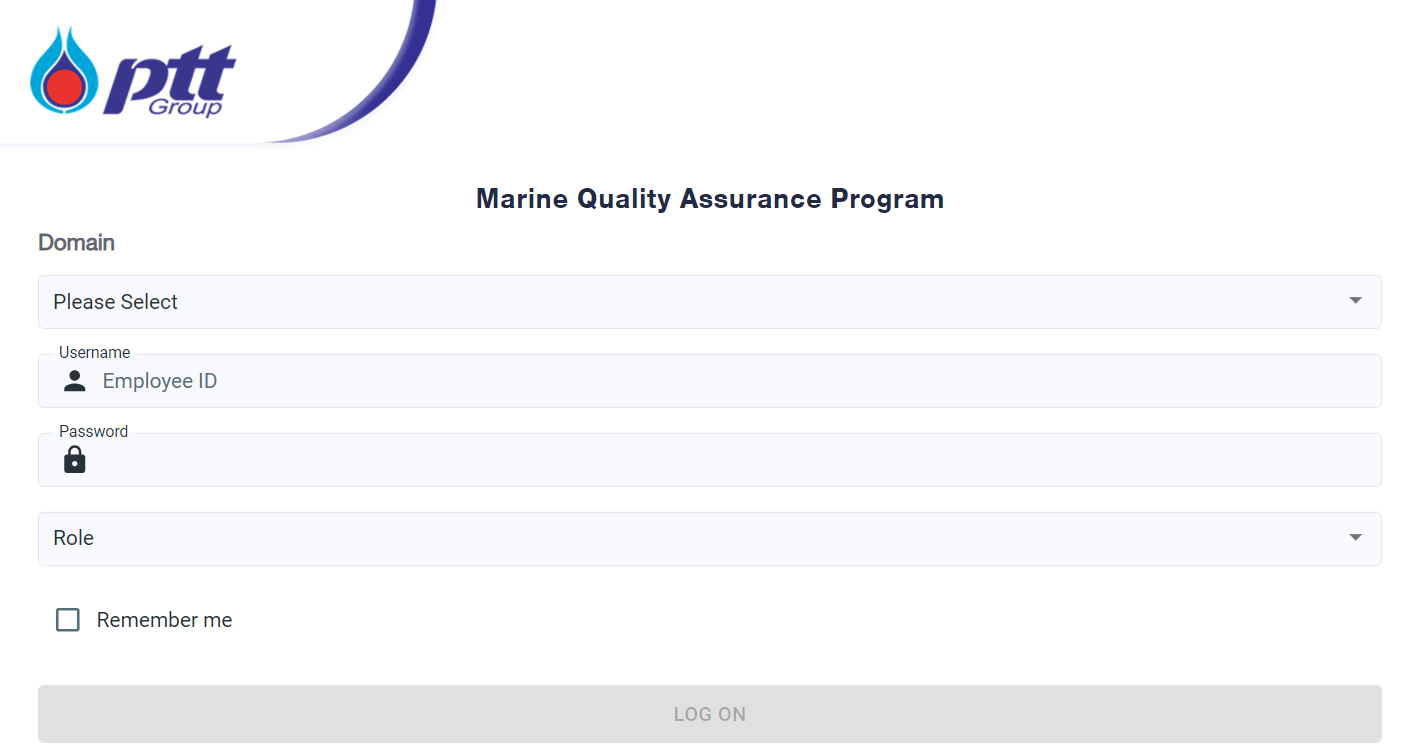
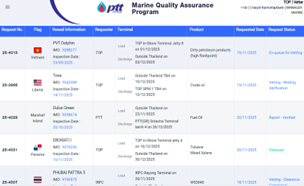
Utilizing ships that have passed the safety standard assessment of the PTT Group Ship Vetting System. In this assessment, Captains from the Company and the PTT Group will assess safety documents, including the Ship Inspection Report Program (SIRE), an international standard of the Oil Companies International Marine Forum (OCIMF), ship information from international websites, such as Sea Website and terminal feedback of the ships shared with the PTT Group. These documents will be reviewed and considered together with the ship quality audit assessment within the PTT Group to ensure the quality of the ships and crew members used by Thaioil Group aligns with international safety standards.
Maintaining and inspecting ports, buoys, and other equipment used for transferring crude oil and petroleum products periodically
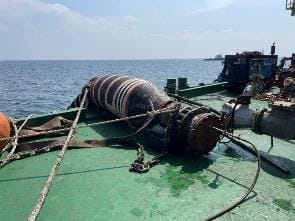
Maintaining and inspecting ports, buoys, and other equipment used for transferring crude oil and petroleum products periodically. This includes inspections of pipelines at the port and offshore buoys, safety joints, and ship ropes. In 2025, Thaioil Group’s Engineering Department conducted scheduled inspections in compliance with international standards, Single Buoy Mooring Maintenance and Operation Guide (SMOG). Specifically, the inspections included annual inspections, inspections of floating and submarine flexible hoses, and inspections of the Single Buoy Mooring (SBM) in both the SBM-1 and SBM-2. All systems were found to be in compliance with international safety standards. The details of inspections are as follows:
- Performing visual inspection
- Measuring the thickness of buoys using ultrasonic testing
Conducting inspection of mooring ropes semi-annually and pre-berthing inspection before every vessel secures to the buoy.
- Conducting diving surveillance every three months.
- Conducting offshore Hydrostatic-leak test annually
- Conducting onshore inspection and testing every two years in accordance with the international standard OCIMF SMOG 2015.
- Conducting pressure testing of the floating flexible hose system to ensure the complete of the flanges.
- Replacing new floating flexible hoses according to the manufacturer’s recommended interval.
Annual offshore Hydrostatic Testing
Onshore inspection and testing every two years
Replacement of new floating flexible hoses following the manufacturer’s recommendation
Conducting inspections of submarine buoys with the following procedures:
- Conducting inspection of mooring system every six months.
- Performing offshore diving surveillance testing every three months.
- Conducting offshore hydrostatic testing annually.
- Conducting onshore inspections every two years.
Annual offshore pressure testing of floating and submarine flexible hoses
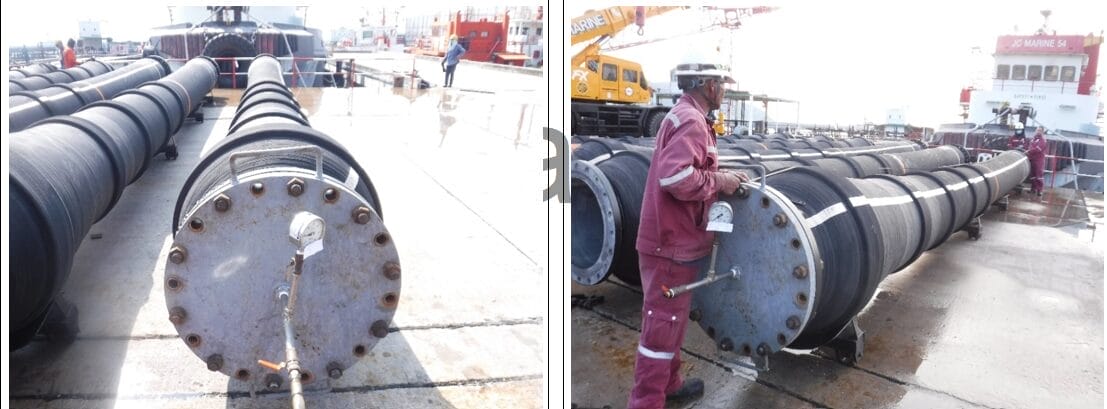
Onshore inspection and testing every two years
Conducting inspections of submarine Pipeline End Manifold (PLEM) semi-annually.
Inspection of submarine structure and control valves
Conducting tanker safety checks for both domestic and international tankers operated at Thaioil Group’s port.
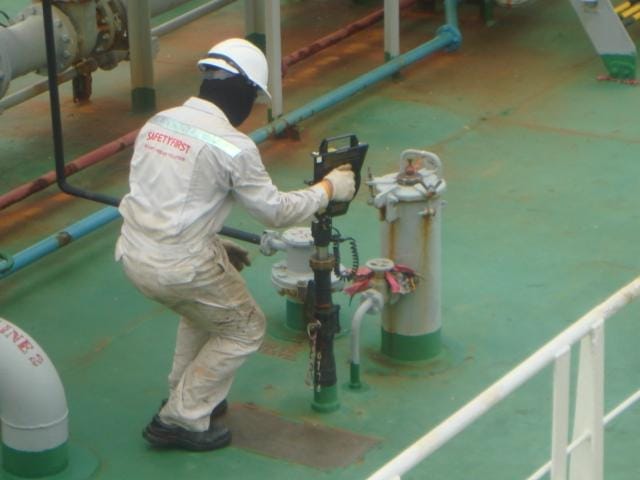
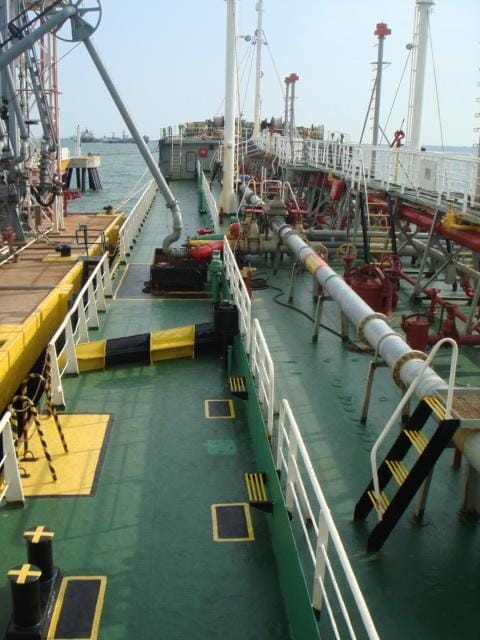
Nominating employees in the port division to attend IESG activities on a regular basis to exchange the marine safety knowledge
Nominating employees in the port division to attend IESG activities on a regular basis to exchange the marine safety knowledge and ensure that the operations are aligned with international standards.
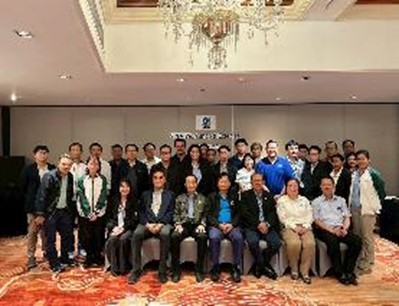

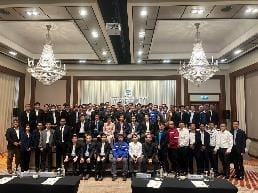
Organizing an annual meeting between IESG and management executives from Thai ship companies.
As Thaioil Group is a member of IESG, the Company share information of ship and port safety, such as updated port rules or identified defects during random ship inspections. This initiative aims to ensure that the Company has effectively implemented corrective actions to improve safety condition in business operations and prevent accidents and pollutions from both ships and ports.
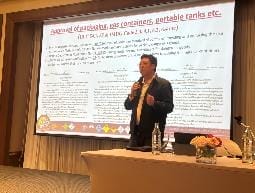
Thaioil Group mandates strict adherence to its Standard Operating Procedures (SOP)
To ensure maximum operational safety, Thaioil Group has implemented specialized tools and defined specific monitoring frequencies for weather forecasting
To ensure maximum operational safety, Thaioil Group has implemented specialized tools and defined specific monitoring frequencies for weather forecasting. The Group categorizes its weather assessment and prediction into three phases based on the data sources used: Long-range monitoring, Medium-range monitoring, and Short-range monitoring. The details of these monitoring phases are outlined in Table 1.7.1 below:
Table 1.7.1 Tools and Frequencies in Weather Monitoring and Forecast
Data Source | Decision-making Criteria | Lead Time | Monitoring and Reporting Frequency | |
|---|---|---|---|---|
1. Long-range Monitoring | ||||
1.1 Offshore Weather Services Pty.Ltd. (OWS) | • Wind direction, wind speed, and wave height | 5 Days | 2 times (at 06.00 and 18.00) | |
• Squall warning | 0.5 – 3 hours | Notification of squall warnings during critical weather conditions | ||
1.2 Windy Application | • Wind direction and wind speed • Rain clouds (visible from as far as Myanmar or the Western Gulf of Thailand) | 12 – 24 hours | Monitoring every 30 minutes, with continuous tracking upon detection of rain systems approaching SBM/CBM. | |
1.3 Thai Meteorological Department (TMD) Weather Radar | • Rain clouds (visible from the central Gulf of Thailand) | 12 – 24 hours | Monitoring every 30 minutes, with continuous tracking upon detection of rain systems approaching SBM/CBM. | |
2. Medium-range Monitoring | ||||
2.1 Tugboat Radar Systems” (Set at a 12-mile detection range)
| • Radar-detected rain clouds
| 1 hour | 24/7 continuous surveillance with progress reports submitted to the Duty Officer every 30 minutes
| |
3. Short-range Monitoring | ||||
3.1 Eyesight
| • Rain clouds
| 0.5 hour
| 24/7 continuous surveillance
| |
Remark * Offshore Weather Services Pty.Ltd (OWS) – A specialized private meteorological service provider.
Mitigation
Despite having stringent prevention measures that are aligned with the international standards, Thaioil Group has also developed mitigation measures to address unforeseen incidents, as outlined below:
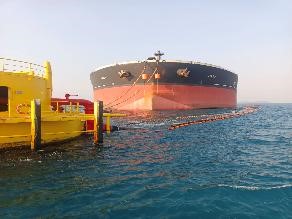
- Implementing a containment boom around CBM and SBM prior to each ship-to-ship crude oil transfer operation.
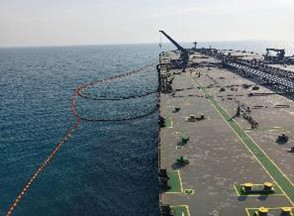
2. The Loading Master, who serves as the head of oil transportation operations for the Company, is required to notify the Emergency Shut Down (ESD) and close all valves on the ship, as well as notifying onshore officers to close all valves to suspend the oil transfer system. This ensures that there are no oil flow and pressure in the system, thereby minimizing the risk of increased oil leakage into the sea.
3. The service boat stationed at the buoy is required to close all valves on both the floating and underwater buoy. This aims to prevent oil from the refinery’s tanks from flowing back into the sea. This action is carried out in accordance with emergency procedures.
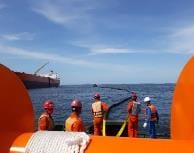
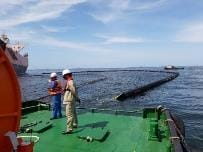
4. The Loading Master, who serves as the head of oil transportation operations for the Company, instructs the contractors to deploy Oil Absorbent Booms along the oil pipeline. This is to control oil spills within a limited area and prevent them from flowing to the sea, which could make containment more difficult to control. The preparation measures include conducting at least three training drills per year to maintain readiness for emergency situations. The oil absorbent booms are stored on vessels under the Company’s contract
- Thaioil Group maintains a dedicated safety and environmental protection vessel, the JC 41, which is on constant standby to respond to any emergencies at the mooring buoys. The JC 41 is equipped with a comprehensive suite of oil spill response equipment, ready for immediate deployment 24/7, including: two sets of inflatable oil booms, each 200 meters in length, one oil skimmer for recovering oil from the water’s surface, ten 200-liter drums of oil dispersant, one set of oil recovery storage units (temporary storage for collected oil), one onboard crane for the rapid deployment and handling of heavy equipment. This vessel is specifically contracted to augment the Group’s existing general-service fleet.
- Thaioil Group has established a strategic mutual aid agreement with other petroleum companies operating in the Sriracha area. Under this collaborative framework, in the event of an oil spill, member companies that are not affected will immediately mobilize their tugboats and critical response equipment—such as oil booms and oil dispersants—to support the affected party. This collective response capability ensures that any incident can be contained and controlled with maximum speed and efficiency.
5. The Company has implemented the safety action in accordance with the action plan to prevent and eliminate water pollution from its operations. This aims to reduce and mitigate environmental impacts until the situation is ultimately under control.
Personnel Development
Thaioil Group prioritizes personnel development to ensure employees are knowledgeable and capable of managing oil and petrochemical spills. In 2025, the Company conducted activities to develop and enhance knowledge of the personnel on oil spill cleaning. The activities are described as follows:
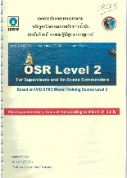
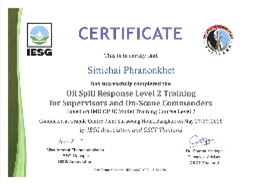
Thaioil Group deployed Marine Department Captains to undergo the OSR Level II for Supervisors and On Scene Commanders training course (base on the IMO OPRC Training Course Level II)
The primary objective of this program is to equip personnel with advanced oil spill management strategies and technical expertise. Specifically, the training enhances the captains’ competency in fulfilling the role of On Scene Commander, the designated field leader for offshore response operations, they can effectively direct and execute the Company’s oil spill contingency plan to mitigate marine pollution.
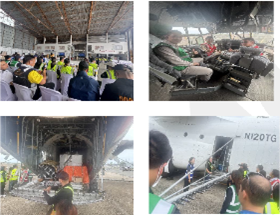
Thaioil Group sent Marine Captains to participate in an offshore oil spill
response exercise in the Gulf of Thailand involving a C-130 aircraft from abroad at U-Tapao–Rayong–Pattaya International Airport and the Royal Thai Naval Air Division, Ban Chang, Rayong, organized by the IESG; the objectives were to translate theoretical knowledge into practice, identify potential obstacles, improve existing C-130 request protocols, and establish networks between government and private agencies for future coordination.
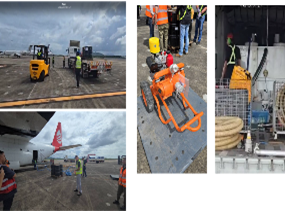
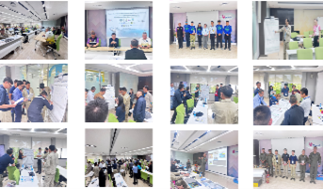
Thaioil Group was selected by the Marine Department
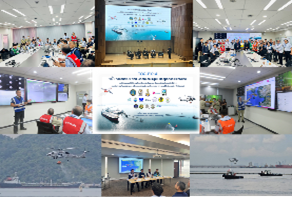
to host the 14th Thailand Oil and Chemical Spill Response Exercise (TOC EX 14), which was divided into two phases: a knowledge training session from April 28–30, 2025, and a combined Tabletop and Field Exercise from May 20–22, 2025. The exercise simulated a dawn incident involving a ruptured floating hose during crude oil discharge at the SBM-2, resulting in a large-scale spill projected to impact the Pattaya coastline. This scenario served to practice offshore oil recovery while preparing shoreline protection and response measures for significant economic zones. The event included participation from various public and private agencies under the National Plan, providing Thaioil personnel involved in spill management with a deeper understanding of national-level crisis administration and the ability to effectively apply these procedures in real-world situations following the training.
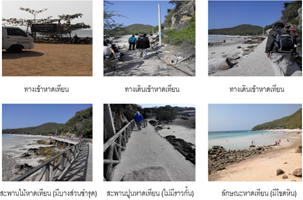
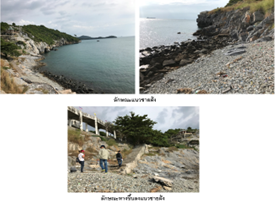
Thaioil Group has collaborated with IESG in the Sri Racha area to conduct Shoreline Assessment of various beaches on the mainland and surrounding island;
the objective was to identify and understand the conditions of environmentally and economically sensitive areas. This reassessment is conducted every five years to ensure the shoreline database remains fully up-to-date for effective response planning.
In 2026, Thaioil Group established the following key strategic initiatives as follows:
- Enrolling Company personnel in the Oil Spill IMO 3 training course for Senior Managers and Incident Commanders (IC); this program is designed for senior executives, strategic planners, and decision-makers to apply advanced knowledge to operations and provide expert guidance for executive-level decision-making.
- Conducting refresher training to strengthen the knowledge and understanding of the First Line Team within the port regarding oil and chemical spill response, ensuring operational readiness and a timely response to emergency situations.
- Enhancing personnel knowledge, capabilities, and skills by identifying opportunities for staff to attend specialized training, conferences, or seminars focused on offshore oil spill prevention and mitigation.
Oil Spill Incident Case Study 2025
Overview of Oil Spill Incident
On June 5, 2025, at approximately 12:00 AM, while the vessel MT. Phoenix Jamnagar was discharging crude oil at the Single Buoy Mooring No. 2 (SBM-2), severe weather and strong waves caused the mooring hawser to snap. Consequently, the Marine Breakaway Coupling (MBC) activated as per safety engineering standards to protect the offshore oil transfer system and minimize environmental impact. This resulted in a crude oil spill of approximately 8 cubic meters into the sea. On June 6, 2025, an Oil Spill Response Command Center and Coordination Center were established at Thai Oil Public Company Limited, with the Director General of the Marine Department, the Commander of the First Naval Area Command, and the Governor of Chonburi Province overseeing the survey and monitoring operations. Due to this prompt and effective management, the situation was swiftly controlled, allowing for the closure of both the Command and Coordination Centers at 5:00 PM on the same day.
Root Cause of the Spill Incident
Due to extreme and unpredictable weather conditions, sudden gust wind shifted from the south to the west, reaching speeds of 60 knots (111 km/h). This caused the vessel to swing abruptly, generating immense tension that resulted in the parting of both mooring hawsers connecting the ship to the buoy. The parting of the hawsers created a sudden surge of force on the floating oil hoses between the vessel and the buoy, causing the Marine Breakaway Coupling (MBC) to disconnect as designed. This safety feature prevented extensive damage to the oil hoses and the overall system, though it resulted in a minor discharge of the residual oil remaining within the hose into the sea.
Implemented Measures
1. Weather Monitoring and Forecasting
To ensure that crude oil discharge operations via the mooring buoy system are supported by sufficient meteorological data, the port department has implemented tools and measures for continuous, real-time weather tracking. These protocols allow for timely operational adjustments aligned with changing weather conditions. The monitoring framework is categorized into three stages: Long-range (5 days in advance), Medium-range (applications and digital tools), and Short-range (on-site watchkeeping and surveillance), as follows:
- Thaioil Group sources weather forecast data from Offshore Weather Services Pty. Ltd. (OWS), a highly reputable private provider widely utilized by major offshore operators such as PTTEP, Chevron, and SPRC.
- The service provider issues weather reports daily at 06:00 AM and 06:00 PM , providing 5-day advance predictions of atmospheric and sea conditions. These reports are disseminated to operators and relevant stakeholders via email to facilitate operational tracking and planning. Specifically, if wind speeds are forecasted to reach 25 knots or significant rain cells are detected, the Company will consider postponing vessel berth at the buoy. Furthermore, OWS provides immediate Squall Warnings via email upon detection, offering an early warning lead time of approximately 0.5 to 3 hours.
- During daily operations, the Berthing Master onboard is tasked with monitoring weather changes and the movement of rain cells. This is supplemented by high-reliability weather applications such as Windy, the OWS Squall Warning system, and the Thai Meteorological Department’s (TMD) weather radar. This multi-source data integration serves as a critical secondary check to ensure maximum operational safety.
2. Medium-range Weather Monitoring (24/7 Continuous Surveillance)
- Tugboats fastened to the aft of the tanker, along with standby tugs equipped with marine radar, are tasked with monitoring rain cell movements within a 12-nautical-mile radius of the operational area. This surveillance is maintained on a continuous 24/7 basis. Additionally, Personnel are required to provide weather status updates to the Berthing Master via radio communication every 30 minutes.
3. Short-range Weather Monitoring (0.5 – 1 Hour Lead Time During Operations)
- Personnel stationed at the vessel’s bow, responsible for monitoring and reporting the distance, heading, and position relative to the SBM buoy, are also tasked with observing the surrounding weather and sea conditions. They must provide status updates to the Berthing Master every 30 minutes and issue an immediate report upon detecting any rain cells approaching the operational area.
- Personnel onboard are required to cross-check sudden squall formations or severe rainstorms every hour with the operational team at the refinery’s control room. This collaborative verification provides essential data for situational readiness and supports the decision-making process in accordance with established operating procedures (MMLR-QPR-02 CARGO TRANSFER OPERATION PROCEDURE).
Based on the established monitoring measures, if a rain cell is detected moving toward the operational area within a 1-hour window, the Berthing Master onboard is required to execute the following actions:
- Cease crude oil transfer immediately and notify the Offsite Operations section of the Production Department.
- Notify the tanker’s Captain to ensure the main engines are on standby and ready for operation within a maximum of 10 minutes, as per the established agreement.
- Alert the tugboat fastened to the tanker’s aft to maintain immediate readiness.
- For enhanced safety, contact additional chartered tugboats to depart and standby for maneuvering support (towing/pushing).
- Immediately proceed with disconnecting the crude oil hoses without waiting for further changes in wind speed.
- Ensure the service crew (shore gang) is onboard and prepared for a potential vessel departure.
To ensure sustainable operational safety and confidence, the Company’s Operations Excellence unit will conduct an audit at least once a year. The audit findings will be reported to the Senior Executive Vice President – Hydrocarbon Business to ensure that any observations are addressed through corrective actions and continuous improvement initiatives.
2. Future Weather Monitoring and Forecasting Plans
To enhance the precision of weather monitoring and forecasting, and to ensure crude oil discharge operations are planned and managed with maximum efficiency, the Company aims to minimize the risk of unforeseen incidents and strengthen emergency preparedness. Consequently, the Company plans to implement the following additional measures
1. Operational Excellence
- Enhance the Squall Warning system by transitioning from email-based notifications to real-time visual and audible alerts via Company-provided electronic devices, such as iPads.
- Utilize electronic devices (e.g., iPads) to monitor real-time weather conditions during operations, along with mooring hawser tension and system pressure during crude oil transfer.
- Install CCTV systems at the SBM buoy with a live feed transmitted directly to the Main Control Building 2 (MCB-2).
- Partner with the Royal Thai Navy Hydrographic Department, the Coastal Surveillance Center, or other relevant agencies to conduct joint workshops focused on knowledge sharing and the advancement of weather warning systems.
2. Emergency Excellence
- Conduct specialized workshops on emergency workflows and provide comprehensive training for all relevant personnel (Emergency workshop for final workflow and training program). This includes regular reviews to ensure the suitability and effectiveness of emergency management protocols.
- Regularly perform joint oil spill response exercises with government agencies, such as the Marine Department and the Royal Thai Navy, as well as private sector support organizations like the IESG, at least once a year.
3. Environmental Quality Monitoring Measures
The Company has collaborated with government agencies—including the Pollution Control Department, the Environmental and Pollution Control Office 13, the Department of Marine and Coastal Resources, and the Naval Science Department—to oversee environmental and ecological impacts. This collaboration involves designating sampling points and defining key parameters for monitoring environmental impacts, such as seawater quality, sediment, benthos, fish larvae, and both phytoplankton and zooplankton. These samples are collected across the incident area and potentially affected zones by an independent environmental consultancy. The results are then analyzed against a continuous baseline database established since 2023, with expert ecological evaluation provided by specialists from Burapha University.
To further enhance environmental stewardship, the Company has initiated a comprehensive 5-year Biodiversity Study (2023–2027) conducted by experts to monitor flora and fauna surrounding the project area. This long-term study aims to ensure that neither the oil spill nor the chemical oil dispersants used have any lasting impact on the environmental quality or the integrity of the ecosystem.
Key Highlighted Projects
In 2024, Thaioil Group launched development projects and upgraded its management of abnormal operating conditions and the environmental emergency situations. For example:
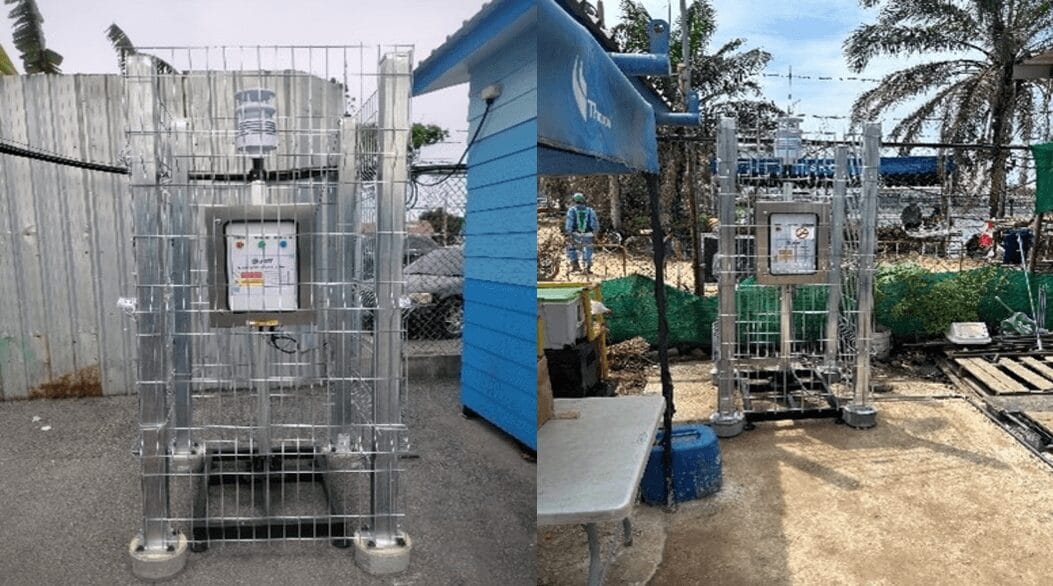
Thaioil Group collaborated with the innovation department of PTT Public Company Limited to conduct the study and experiment of the Electronic Nose (E-Nose)
2025
Performances
Vel pretium dolor tellus id purus felis tellus cursus. Amet turpis vel enim aliquet maecenas. Egestas nulla urna suspendisse cursus aliquam mauris facilisis.
Management Approach
Thaioil Group is committed to minimizing environmental impact to facilitate continuous business, while maintaining environmental consciousness alongside surrounding communities. To achieve this, the Company has established targets for controlling air quality, including Nitrogen Oxides (NOx)), Sulphur Oxides (SOx), Volatile Organic Compounds (VOCs), and Particulate Matter (PM). Starting from the design phase, the Company selects and installs high-efficiency technologies that meet international standards to control its production processes. The Company also monitors and measures air quality at its sources and in the surrounding areas on a regular basis in accordance with a predetermined schedule. The Company also uses an air quality monitoring system that displays real-time results and tracks the performance of air quality against international best practices. The Company’s environmental management system and performance is audited and certified by an external party on an annual basis.
NOx and SOx Emissions Management
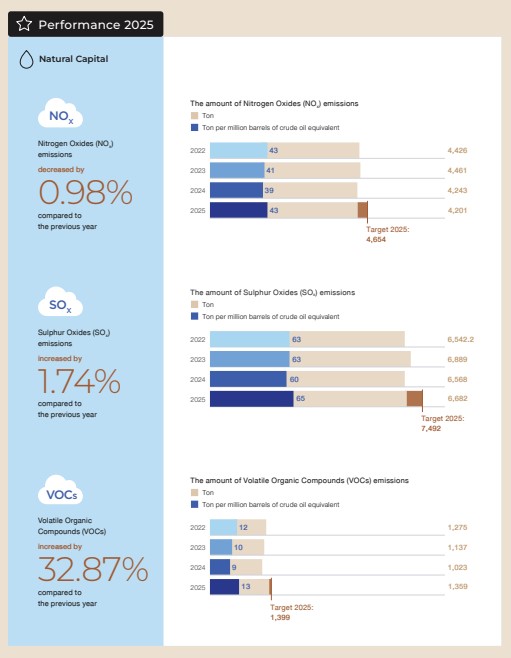
Thaioil Group assesses environmental impacts and determines preventive measures to control NOx and SOx emissions from the production process. The primary source of emissions is from fuel combustion. To control and minimize these emissions, the Company has installed high-quality technology that is internationally recognized and continuously operates the Sulphur Recovery Unit (SRU) system. The SRU system can effectively convert Sulphur from waste gases into a liquid product for use in other industries instead of emitting it into the environment. Furthermore, the Company upgraded all burners to Ultra-Low NOx in 2010 to effectively reduce Nitrogen Oxides emissions from combustion. The Company also controls the usage of low-polluting fuel over high-polluting fuel and regularly monitors the smoke from combustion (White Smoke Monitoring) and manages irregularities from the early stages to avoid impacts on the community. Moreover, Thaioil Group measures the air quality both at the source and in the surrounding communities by using advanced technologies, such as the Continuous Emission Monitoring System (CEMS) and the Air Quality Management System (AQMS), respectively. The air quality is also measured and audited by an external party and reported daily in the Environmental Daily Dashboard. Consequently, in 2025, Thaioil Group was able to control Nitrogen and Sulphur Oxides emissions at levels better than the required standards and set targets.
Despite the increasing trend of our sulfur dioxide (SOx) emissions in 2023, the Company is implementing a project called CFP to expand our refining capacity from 275,000 barrels to 400,000 barrels per day. This expansion will achieve economies of scale, reduce production costs, and allow for greater flexibility in processing different types of crude oil. Thus, the Company will refine more heavy crude oil, up to 40-50 percent more, and turn fuel oil into more valuable products like jet fuel and diesel. By doing this, we expect to use less fuel oil and lower our SOx emissions in the future.
In addition, in 2025, Thaioil Group implemented additional projects to control SOx and NOx emissions as follows:
- Thaioil Group recognizes the importance of controlling air quality emitted from stacks across various parameters, such as Sulfur Dioxide (SOx), Nitrogen Oxides (NOx), Carbon Monoxide (CO), and total suspended particulates (TSP). Therefore, Thaioil Group has installed the Continuous Emission Monitoring System (CEMS) to report emission values 24/7 for all stacks, with the installation expected to be completed by 2027.
VOCs Emissions Management (VOCs)
Thaioil Group manages Volatile Organic Compounds (VOCs) emissions through environmental impact assessment. The Company implements preventive and monitoring measures of VOCs emissions from various sources within the production process, including flares, combustion, tanks, loading, effluent treatment plants, and fugitives, through operational excellence management as follows:
- Flares and Fuel Combustion: The Company monitors flare efficiency, maintenance process, and implements controls to prevent undesirable incidents that may emit VOCs emissions from the combustion tower.
- Tanks and Loading processes: The Company selects appropriate storage tanks for each substance or fuel being stored and installs a Vapor Recovery Unit (VRU) with a high efficiency of up to 99% to treat VOCs during product transfer.
- Effluent Treatment Plants (ETP): The Company regularly tracks and monitors VOCs emissions to improve its wastewater treatment system. The ETP Cover Project has been initiated and is now in the process of installing an ETP Cover system to reduce VOCs emissions into the environment.
- Fugitives from operational processes: The Company controls and monitors ventilations through the VOCs emission leak detection camera. The camera helps identify leak points in accordance with regulations, international laws, and standards specified in the US Environmental Protection Agency (US EPA) since 2012. This provides opportunities for further improvement to prevent fugitive emissions.
- VOCs Reduction Measures in Maintenance: The Company has amended the maintenance work procedures to align with best practices and ensure that VOCs emissions are controlled below legal requirements in all activities. Moreover, VOC measurements are conducted along the perimeter of the Thaioil Group during maintenance to monitor and ensure that VOC levels remain within standard limits throughout the maintenance period.
In 2025, Thaioil Group implemented additional projects to control Volatile Organic Compounds (VOCs) emissions as follows:
- After Thaioil Group developed the “Scrubber Unit Machine” by adopting Wet & Dry Scrubber Technologies to assist in reducing the VOCs emissions to below 500 ppm before opening oil storage tanks. This machine has been effectively used in oil tank maintenance process. Furthermore, the Innovation Department has developed a chemical agent that accelerates the reduction of VOCs more rapidly by adding the chemical into the Wet Scrubber, which has been successfully implemented in current operations.

Particulate Matter Management
“PM2.5 Taskforce” consistently monitors and develops management approach to drive and communicate activities to control PM2.5 under the 4C measures (Control, Contain, Clean, and Check). These approaches have been implemented to reduce environmental impact at the source, such as office buildings, production processes, construction projects, and community areas, as well as supporting governmental activities and measures. Besides, the Company regularly measures PM10 and PM2.5 by using the Air Quality Management System (AQMS), including the application of PM 2.5 monitoring tools “NONG PIM” detectors that have been installed in both indoor and outdoor areas throughout the operational site, and undergoes audits by external parties. Likewise, the Company regularly communicates the PM 2.5 management through ENVI e-newsletter to all employees.
In 2025, Thaioil Group implemented additional projects under the 4C measures as follows:
- C-1 Control: The Company maintained the air quality at a higher level than standards and legal requirements. Several activities were undertaken to limit the use of vehicle and road usage, including the promotion of carpool campaign, the change of carpool vehicles to electrical vehicles, and the adoption of “Fast & Flow” strategy to manage traffic flow. The Company also monitored and controlled the vehicles’ conditions and their black smoke, as well as ensuring the proper use of dust covers of dust material on dump trucks.
- C-2 Contain: The Company organized an activity to control the dust pollution levels on walkways, aiming to minimize dust dispersion and accumulation. The activities included installing a dust collection net, using tarp covers to prevent dust from transport vehicles, setting up wheel washes in the construction area, installing water spray, and providing dust protection masks for employees and contractors working in risky areas.
- C-3 Clean: The Company established cleaning initiatives in buildings, lorry loading areas, and construction sites. These initiatives included activities such as carpet cleaning, air conditioner cleaning, 5S activities, Big Cleaning Day, and regularly cleaning the road within Thaioil Group premises and surrounding communities. In addition, the Company supported government initiatives to control dust levels on Sukhumvit Road by spraying water.
- C-4 Check: The Company conducted regular site audits to monitor dust pollution levels by tracking data from the Pollution Control Department station, TOP AQMS lorry station, and PM 5 NONG PIM detectors to assess air quality both indoors and outdoors.
C-1 Control
The Company maintained the air quality at a better level than standards and legal requirements. Several activities were undertaken to limit the use of vehicle and road usage, including the promotion of carpool campaign, the change of carpool vehicles to electrical vehicle, and the adoption of “Fast & Flow” strategy to manage traffic flow. The Company also monitored and controlled the vehicles’ conditions and their black smoke, as well as ensuring the proper use of covering of dusty material on dump trucks.
C-2 Contain
The Company organized an activity to control the level of dust on walkways, aiming to reduce diffused and accumulated dust. The activities included installing a dust collection net, using tarp covers to prevent dust from transport vehicles, setting up wheel washes in the construction area, installing water spray, and providing dust protection masks for employees and contractors working in risk areas.
C-3 Clean
The Company established cleaning initiatives in buildings, lorry loading areas, and construction sites. These initiatives included activities such as carpet cleaning, air conditioner cleaning, 5S activities, Big Cleaning Day, and the TOP Green Road. In addition, the Company supported government initiatives to control dust levels on Sukhumvit Road by spraying water.
C-4 Check
According to the site audit measures, the Company tracked dust pollution levels from the Pollution Control Department station, including the TOP AQMS lorry station, and used a PM2.5 NONG PIM detector to assess air quality both indoors and outdoors.
2025
Performances
Vel pretium dolor tellus id purus felis tellus cursus. Amet turpis vel enim aliquet maecenas. Egestas nulla urna suspendisse cursus aliquam mauris facilisis.